DAY 5: Shache (莎車) — Old Town & Kazanqi Street (喀贊其老街)
2026-09-18
Stay: Half Day B&B
Shache (莎車) is a town about 200 kilometres southeast of Kashgar. The driver and my last day together.
On Little Red Book, Chinese Instagram, many people suggest Shache for the more preserved local feel to it. It’s still a town in the west on the Silk Road, but less commercial than Kashgar.
I’m not too impressed when I get in, but as I begin wandering down the local streets, I realise that it has preserved a “bazaar-in-the-far-East” feeling to it.
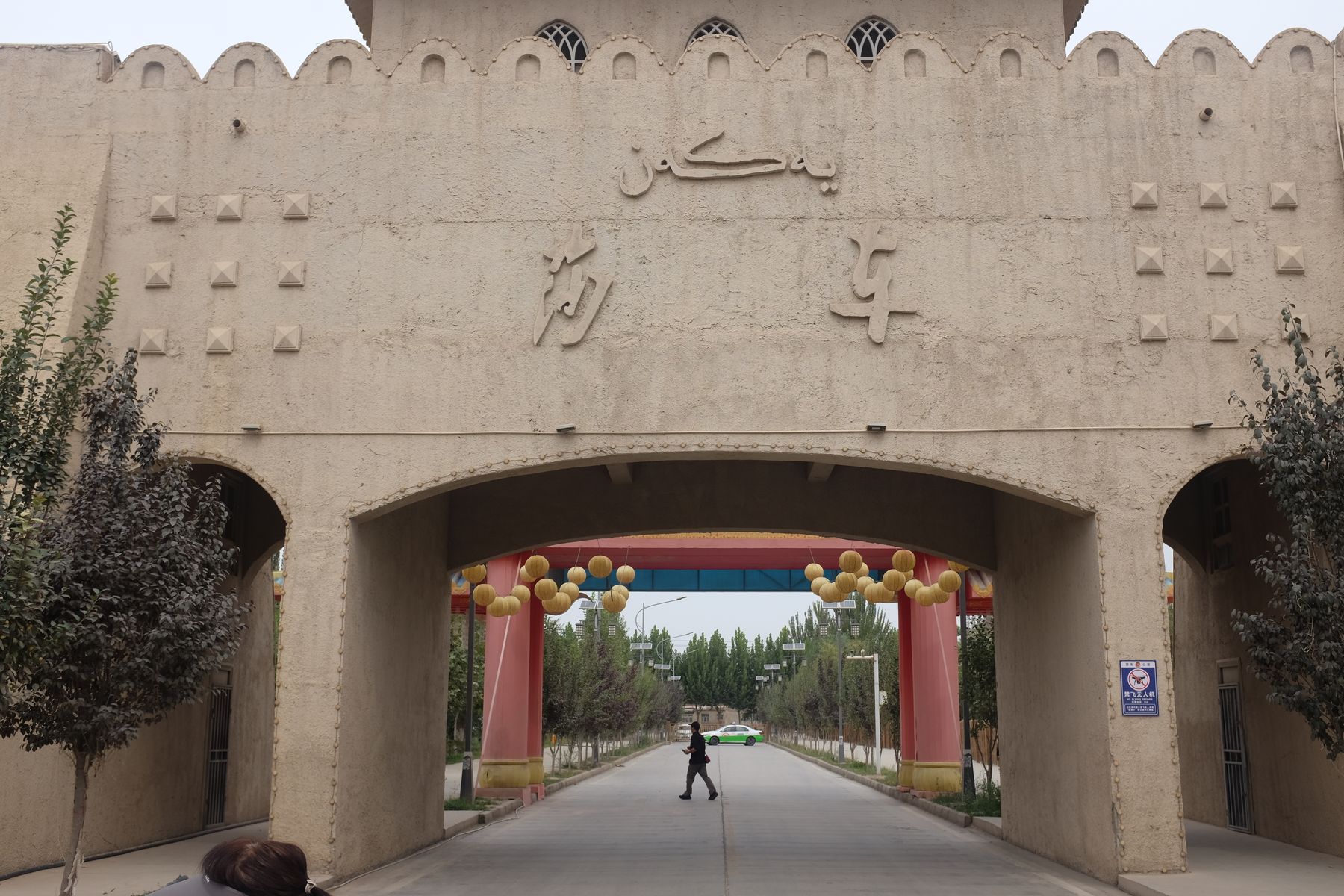
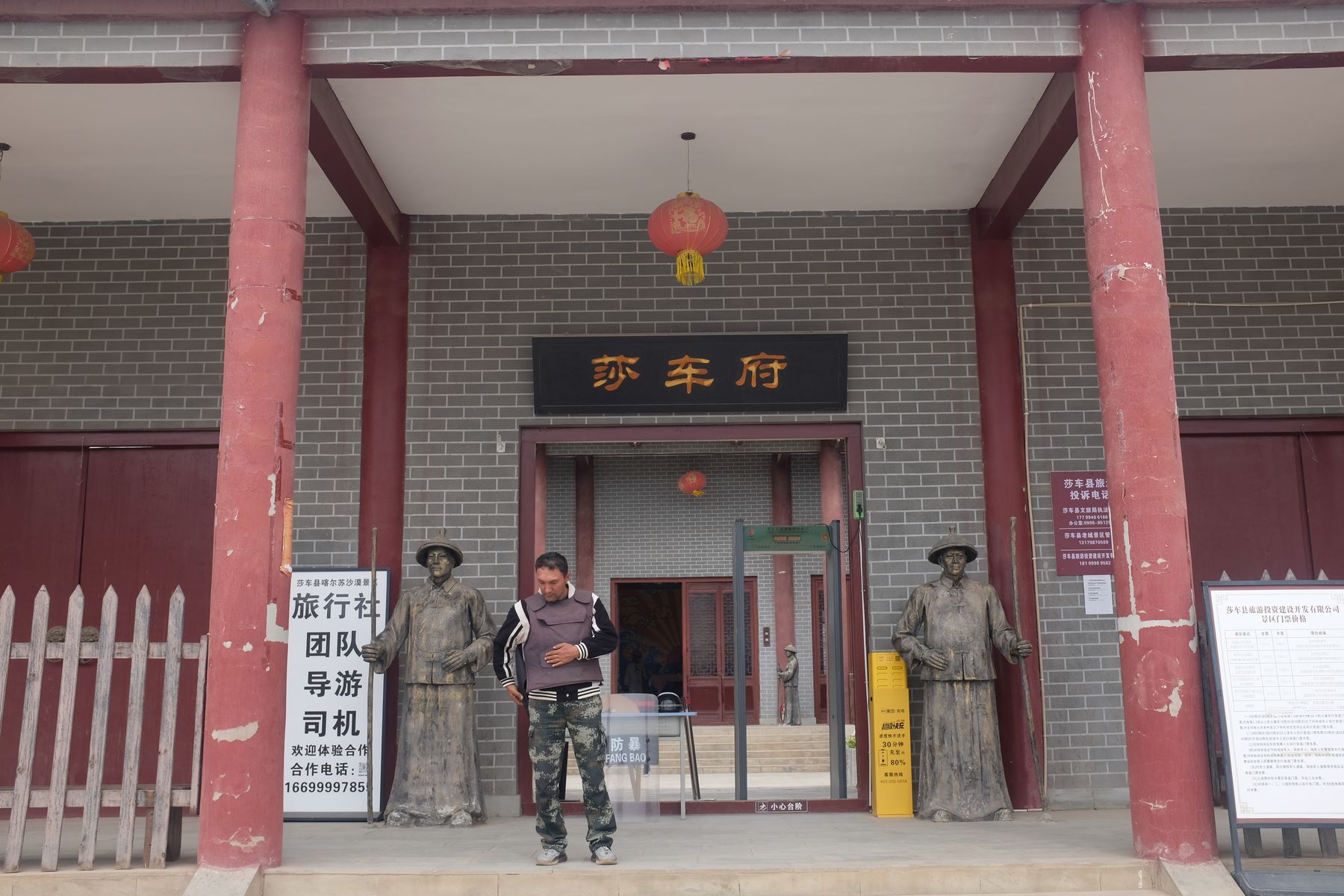
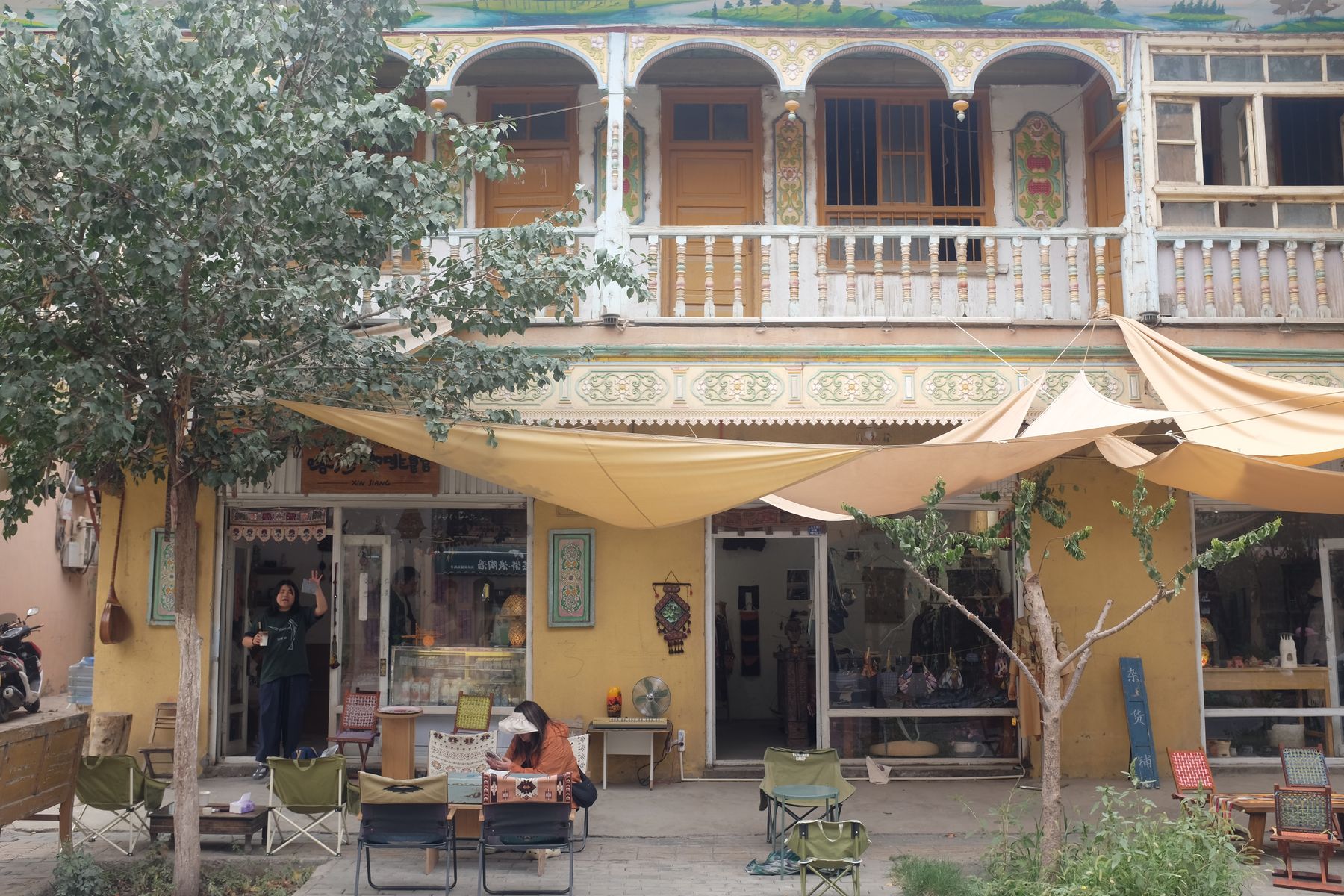
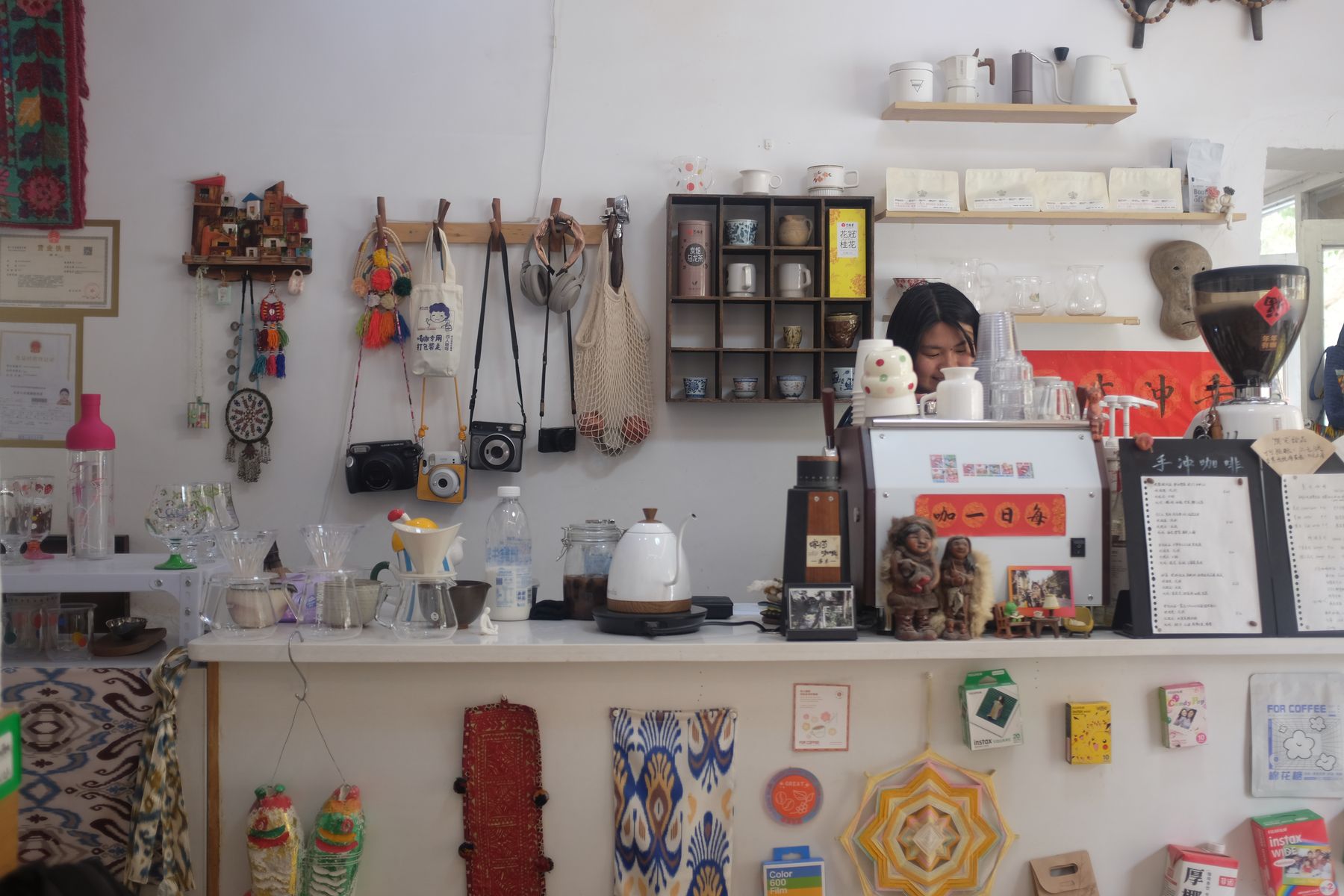
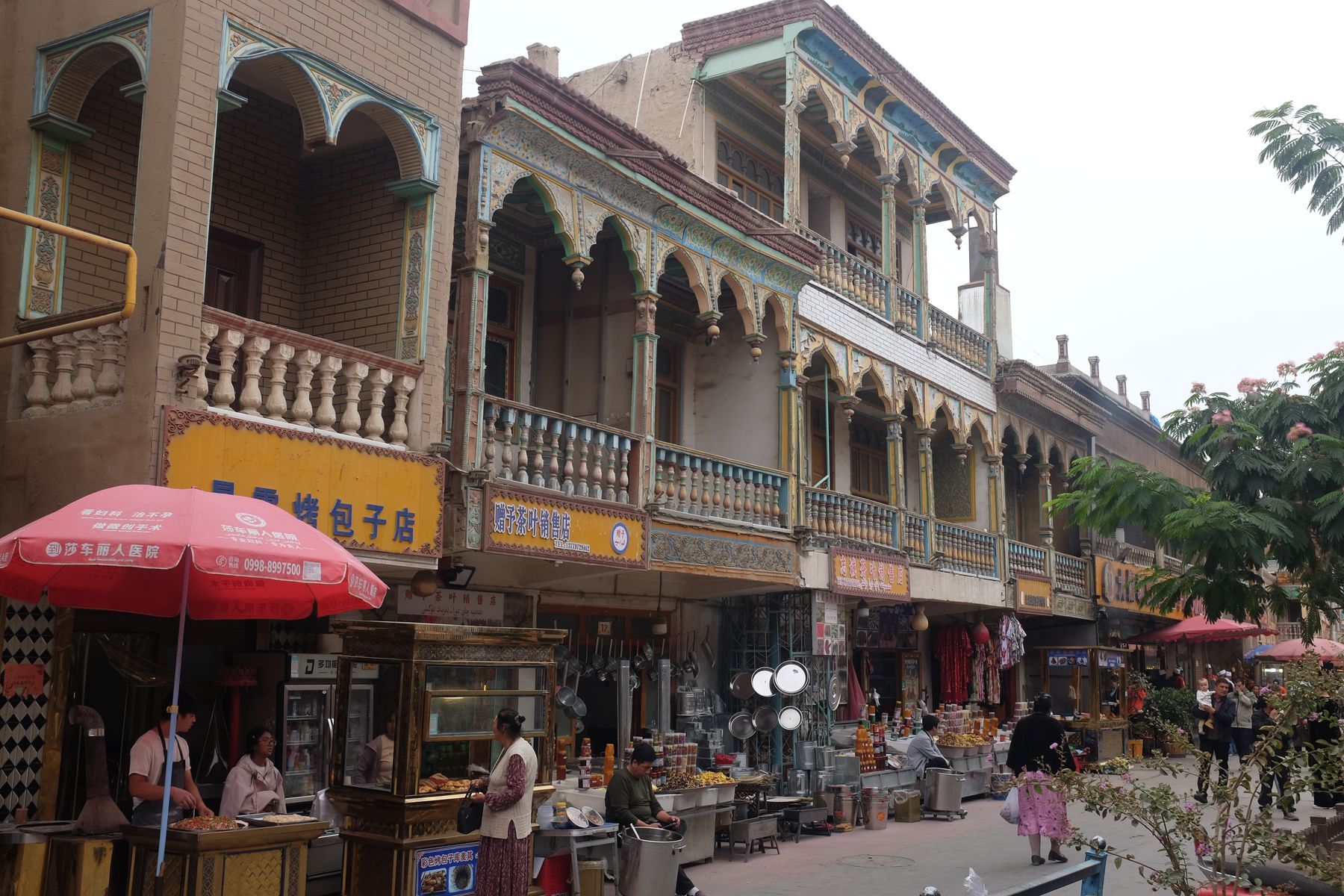
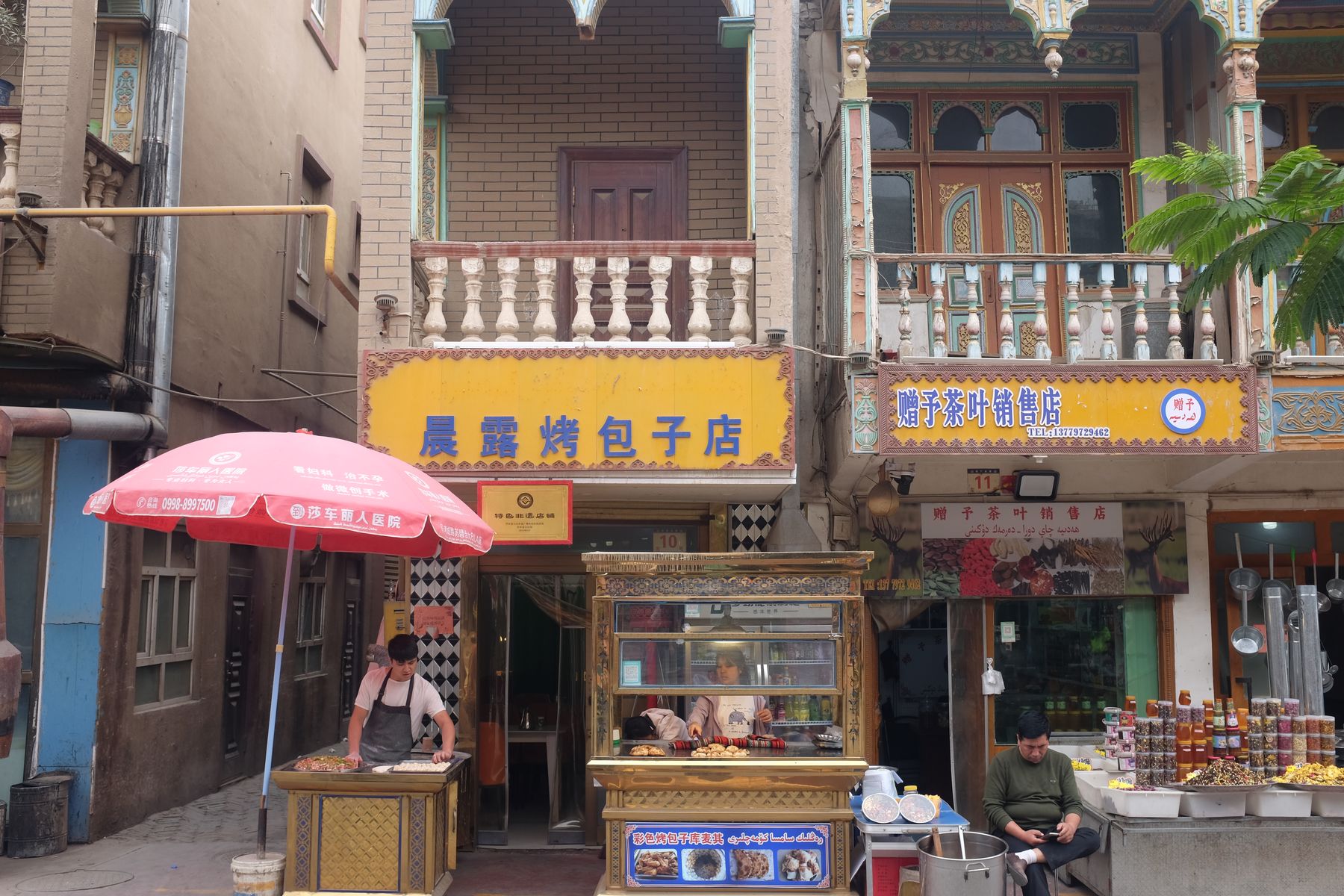
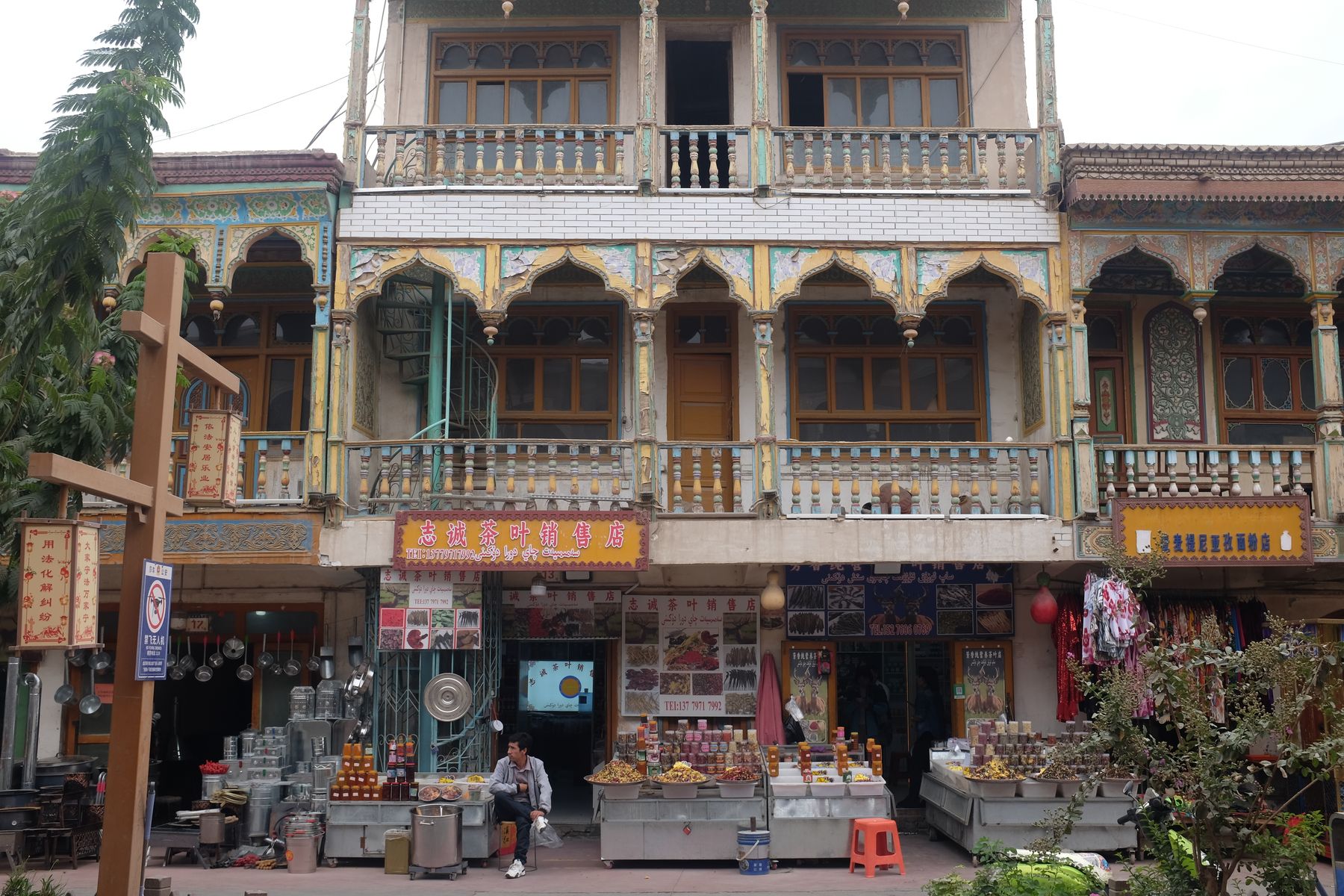
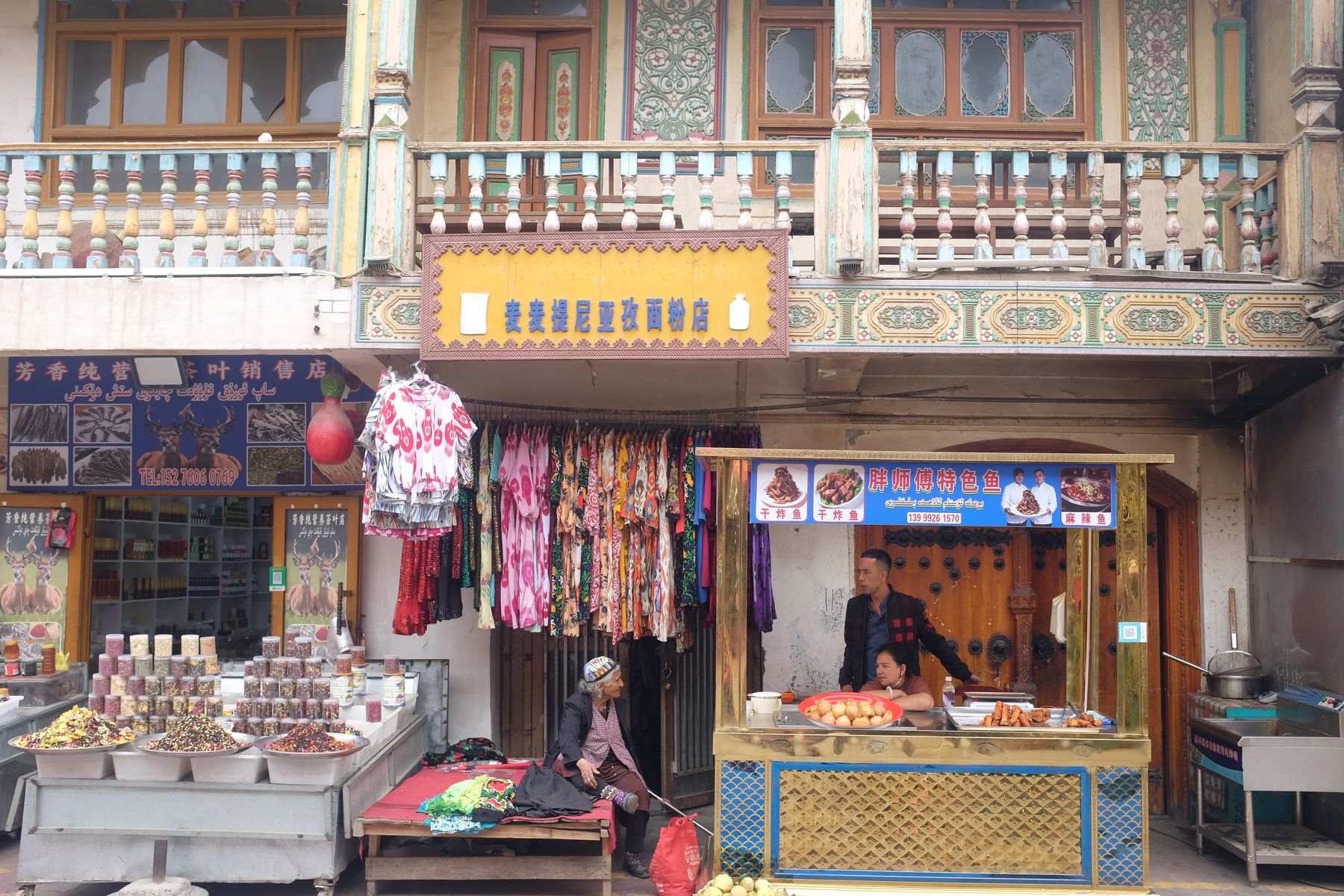
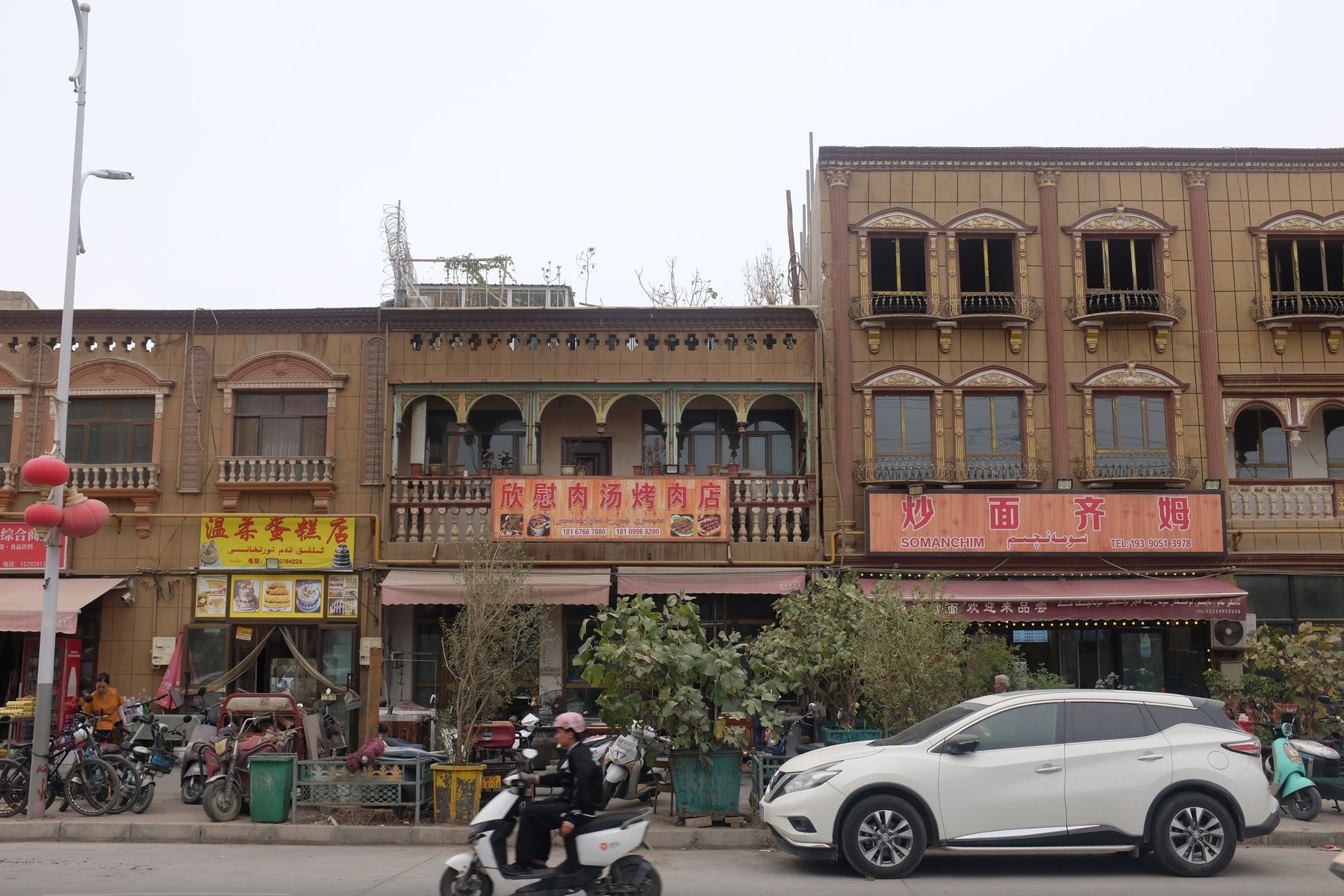
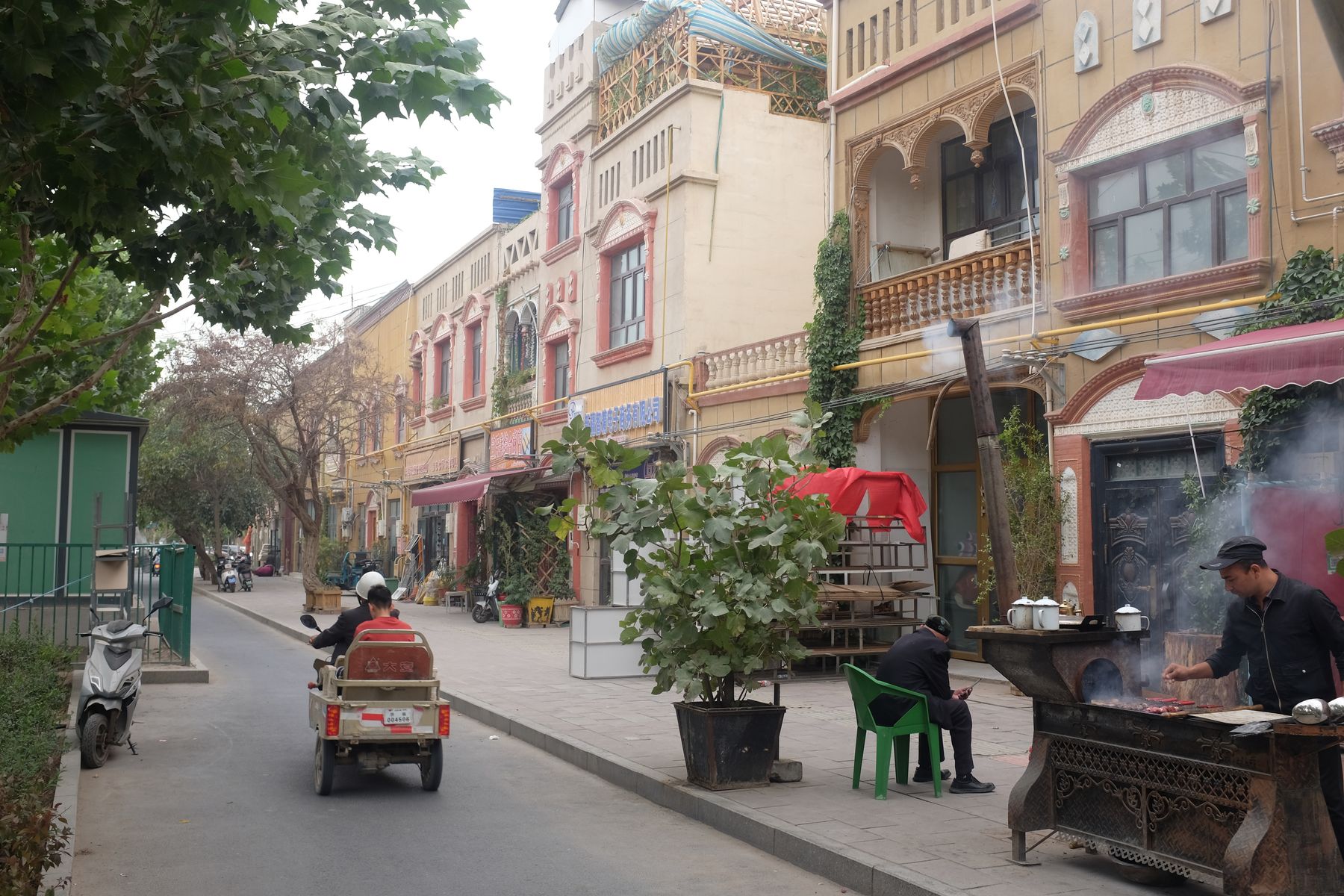
I notice this as we walk down the main road, Kazanqi Street (喀贊其老街). It starts off with a rusted southeast Asian shophouse look from the Straits Settlements, and then turns into a rowdier street with shops, stands, and bicycles (electric and not). However, it’s a quiet-rowdy; there are things going on but it’s not loud.
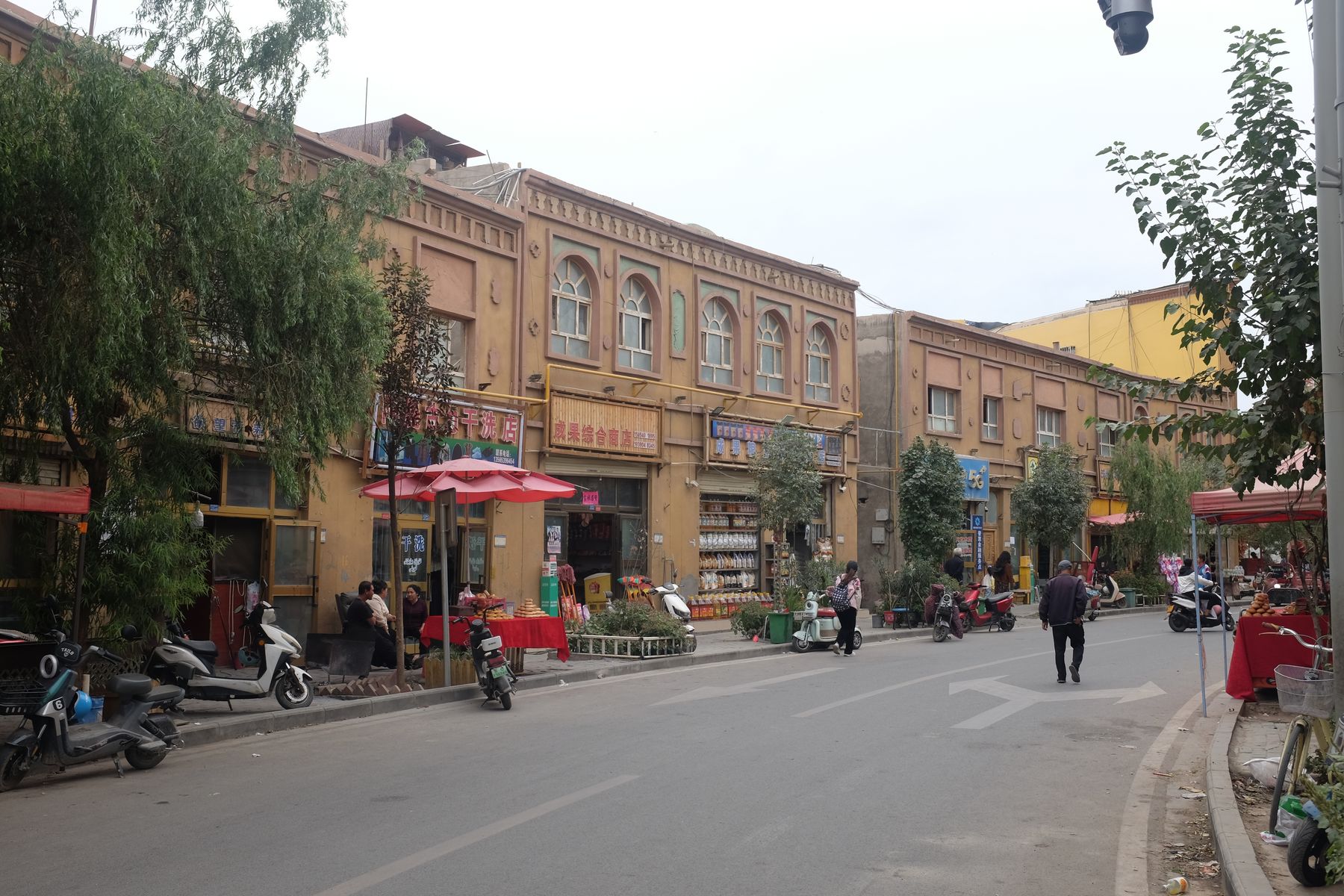
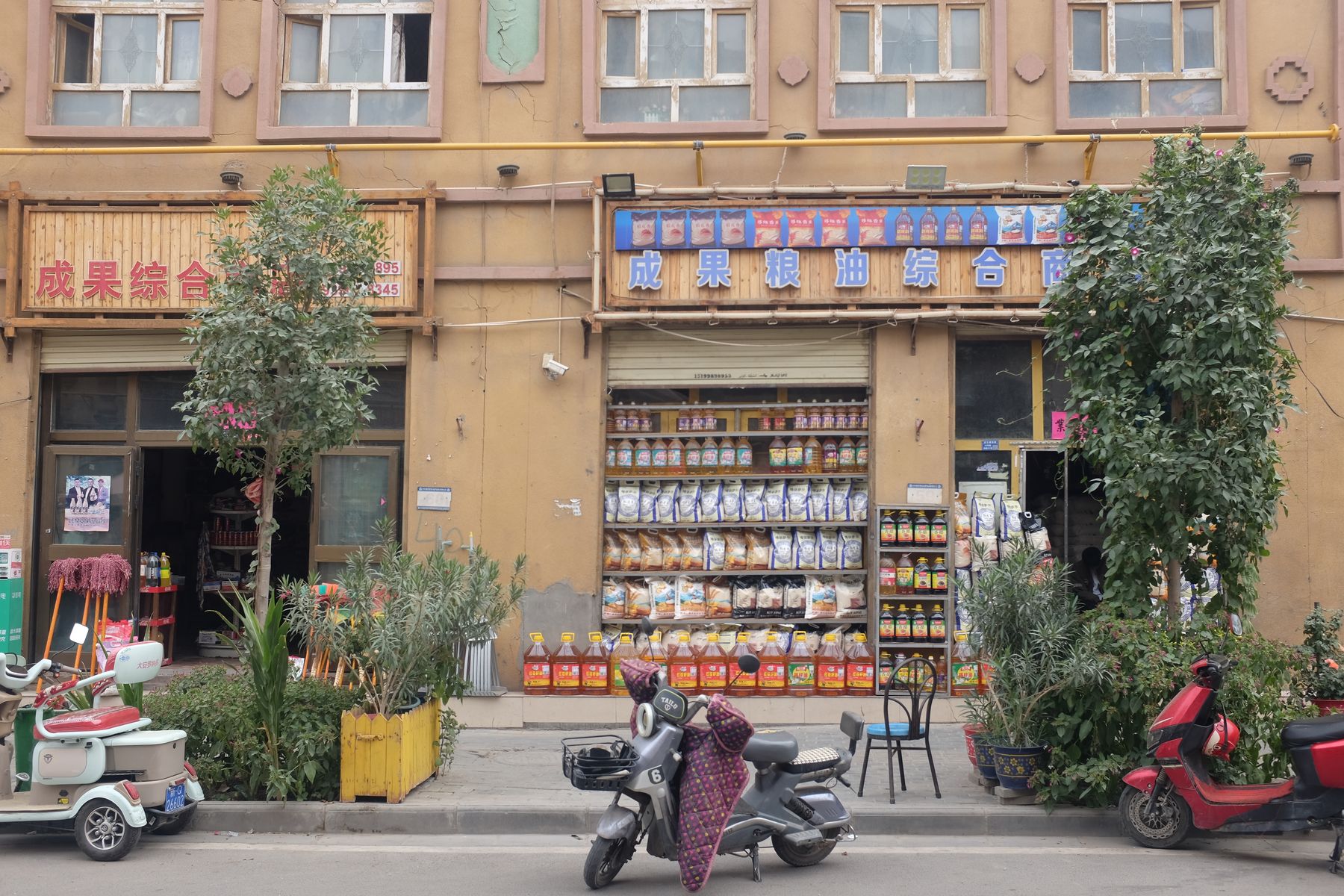
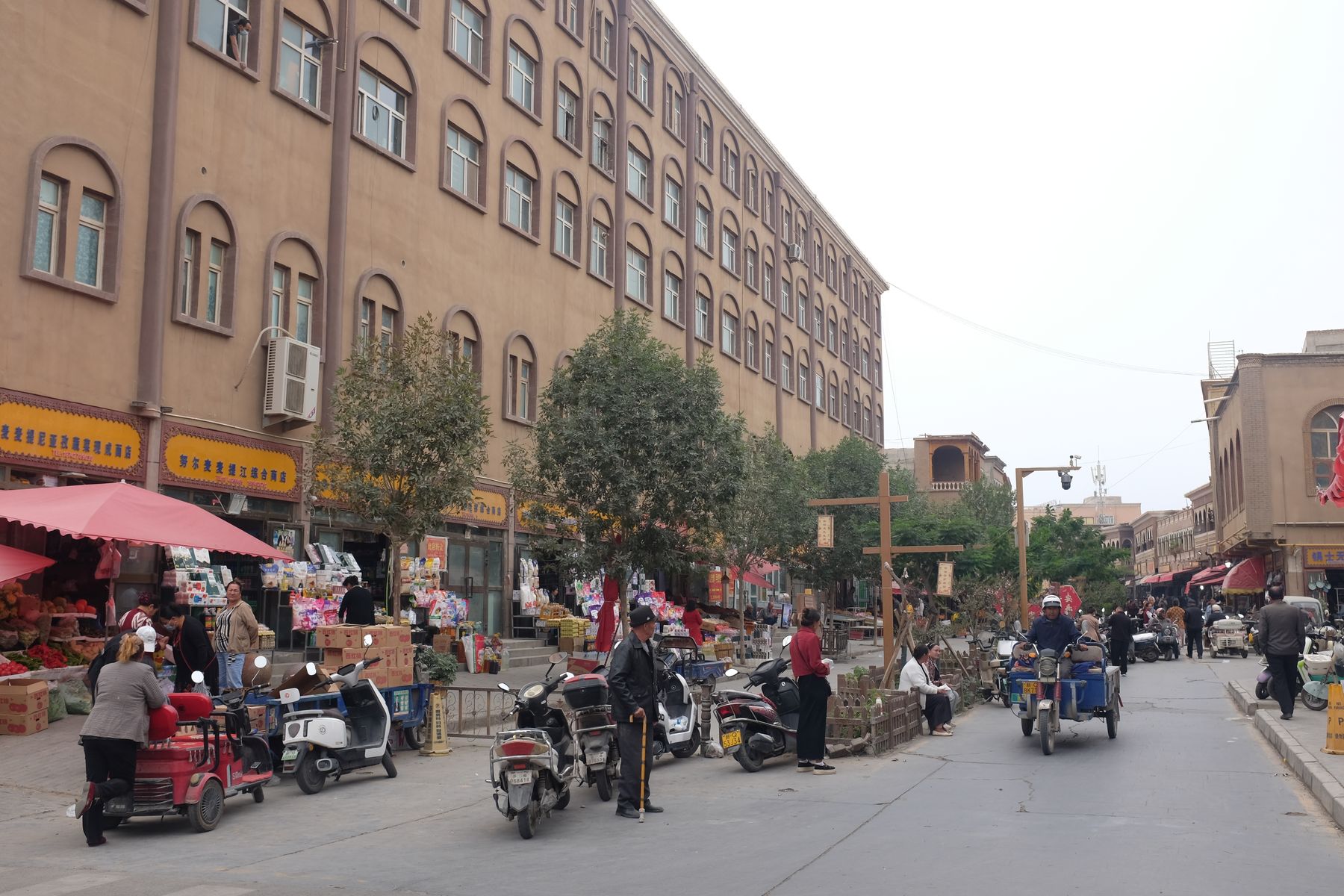
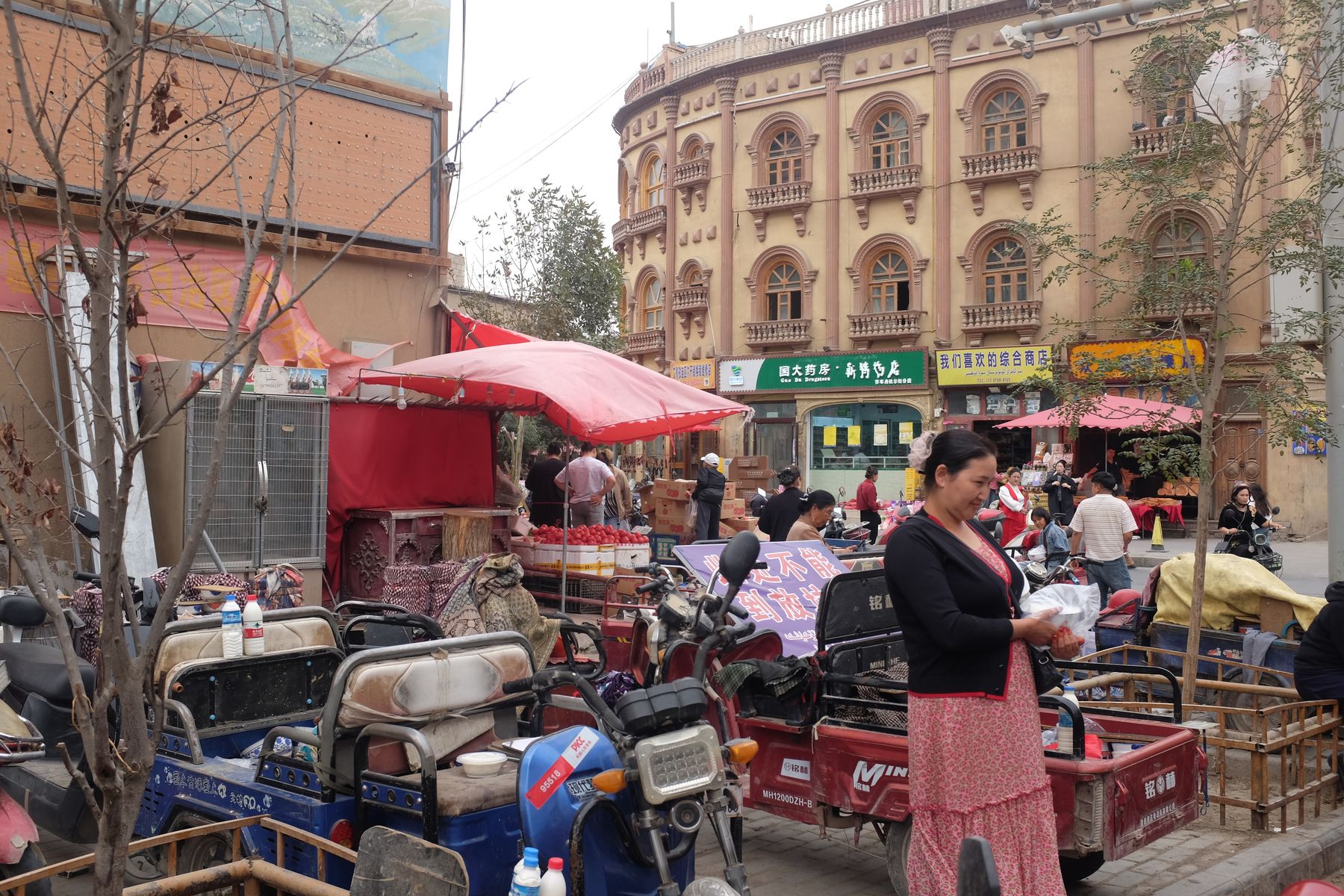
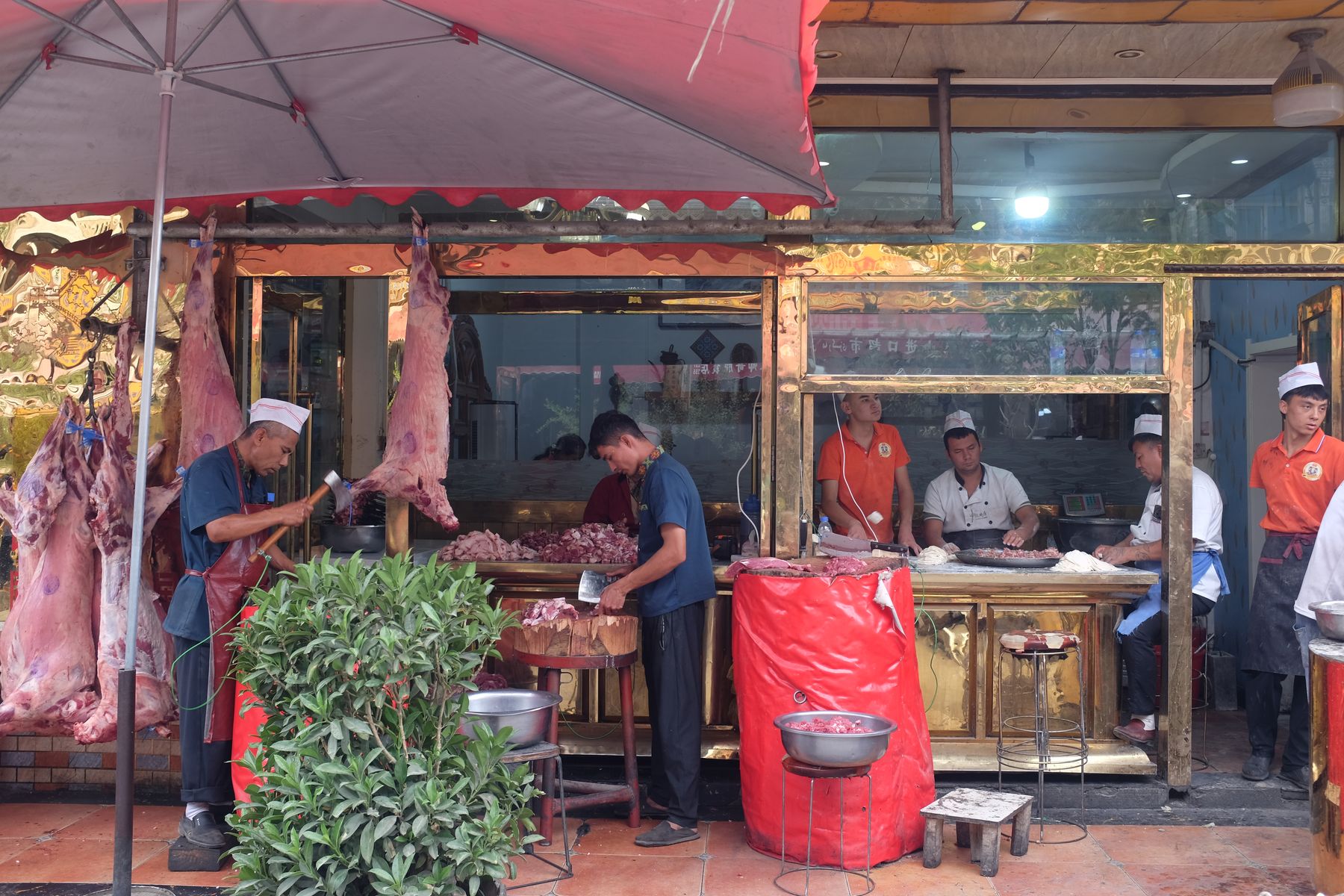
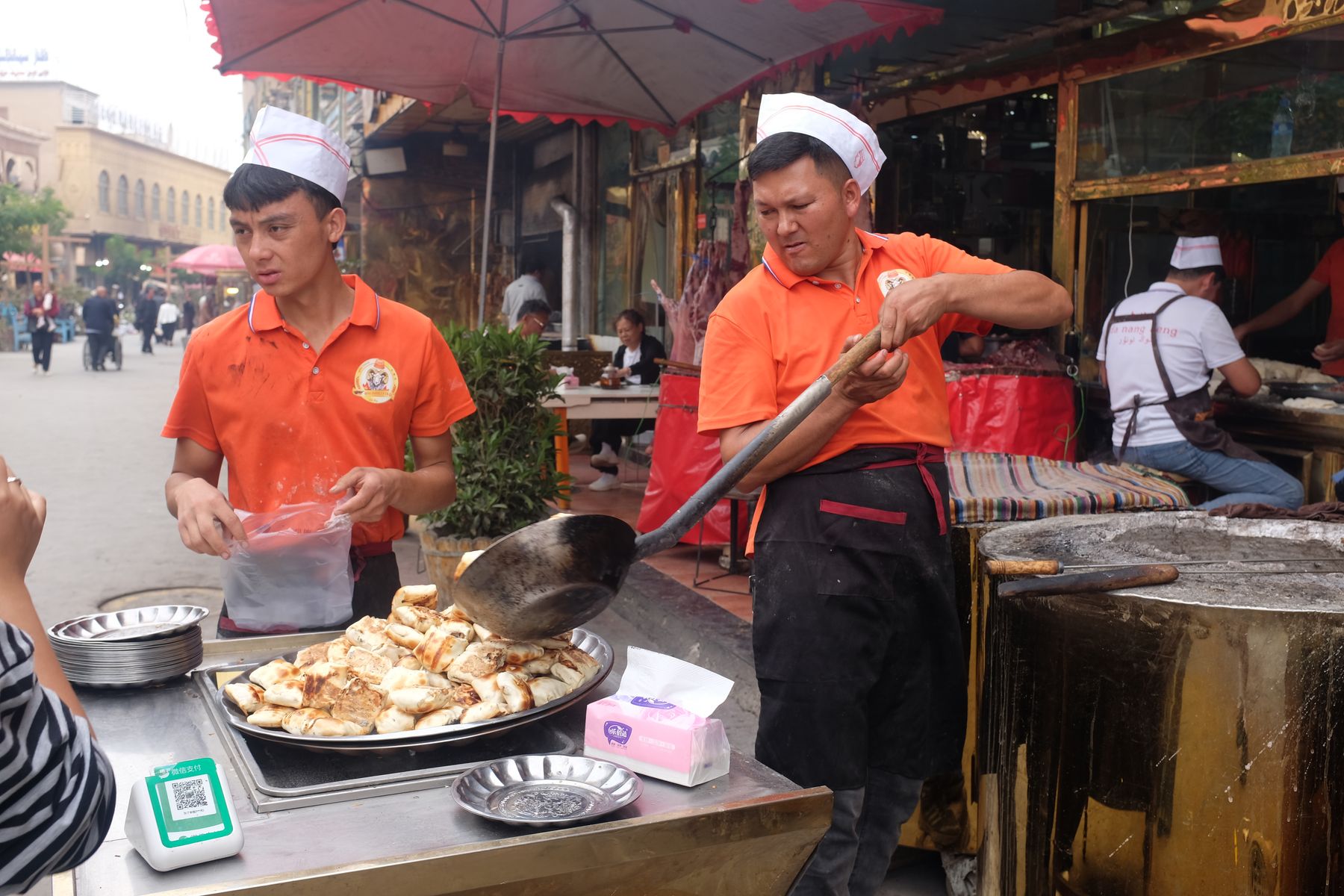
The architecture and people lead me to believe that this is not China. The Chinese characters betray that belief. All around, Turkic-looking people, as well as a few more white faces, walk around and converse in an unintelligible language. I stop for a “toasted bao”, which is a crispy-shelled bread stuffed with lamb. I watch how the people make it.
I walk further down to see an entire operation of making “toasted bao”. From left to right: the man chops the meat from the limb, his neighbour dices it into small pieces. On the right, the men wrap it into its encasing and toss it to the growing pile. This pile is organised by the first man in orange on the left. It is passed to a man who puts it into the circular kiln along the rim, and fishes them out with a ladle.
There is a commotion nearby the old theatre: loud music and a crowd of Han Chinese gathered outside. I walk in to take a look and find two women dancing in the centre, and a local group of men on the left strumming away on local instruments.
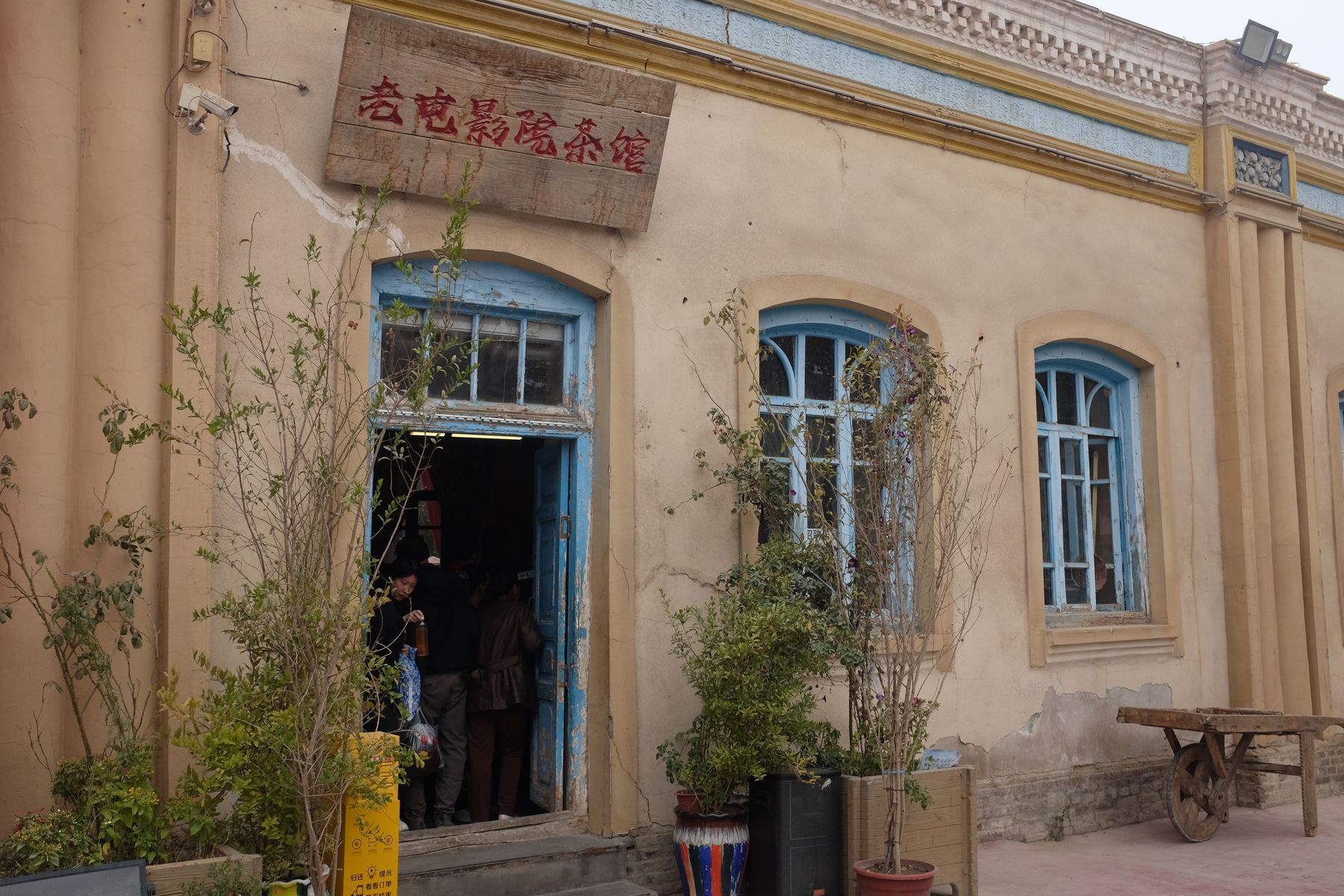
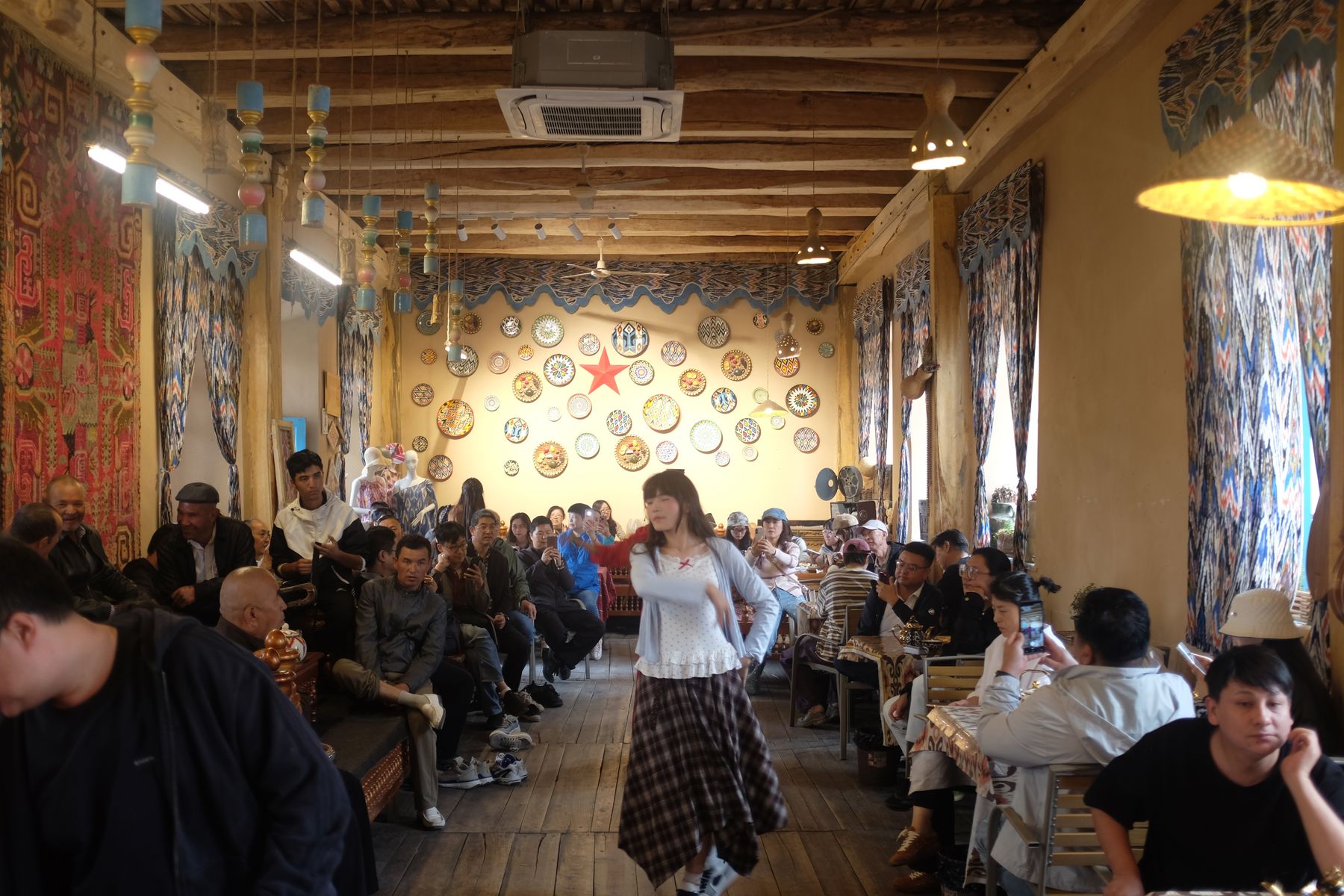
Yes, this is Shache. And the city starts making sense to me
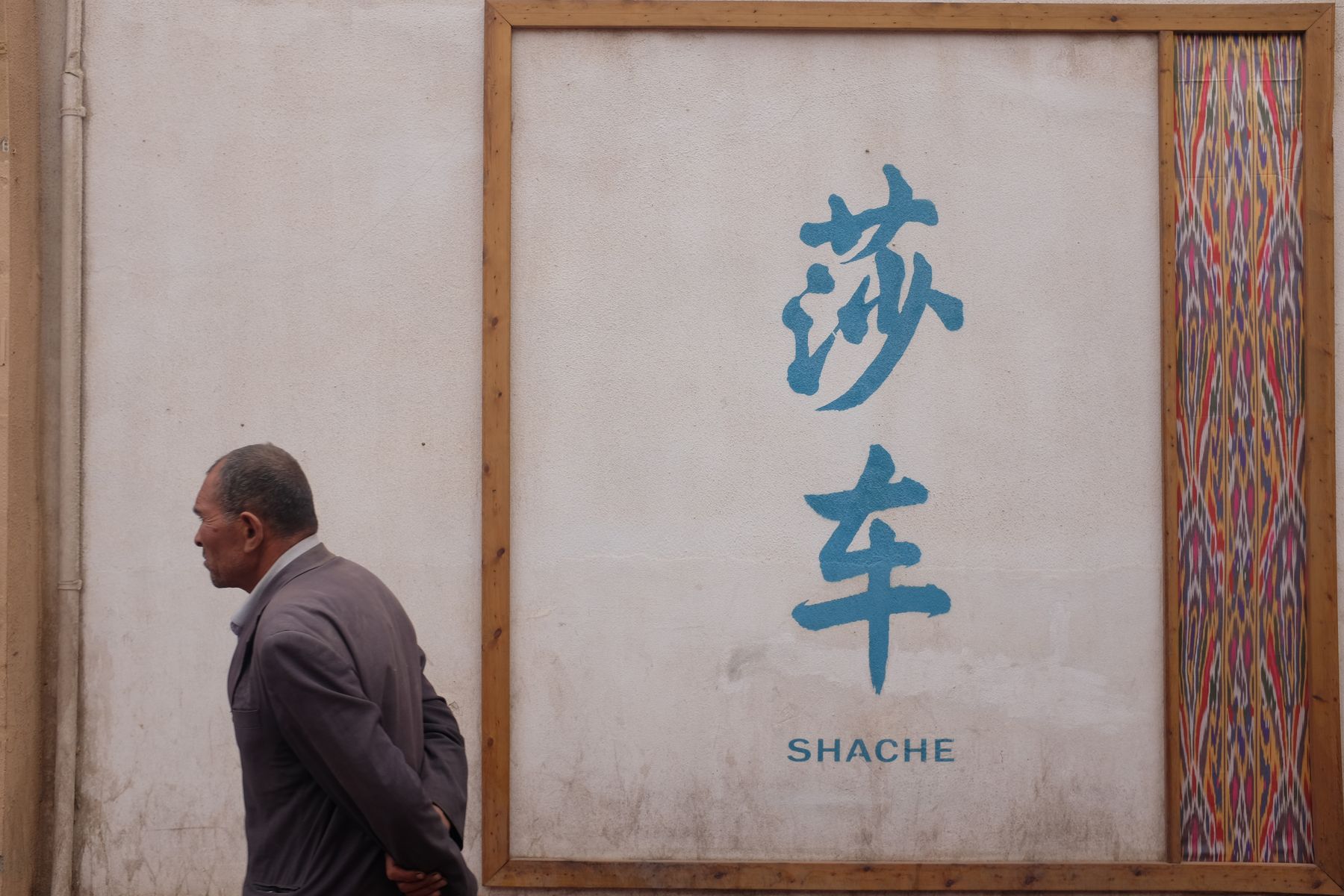
There are shots of the town that remind me of Taiwan, but with a decidedly more central Asian twist to it. Out here in these parts, it feels like sinicisation hasn’t really take root. It continues to exist as an outpost town very far from Beijing, with its own traditions on display for the odd tourist.
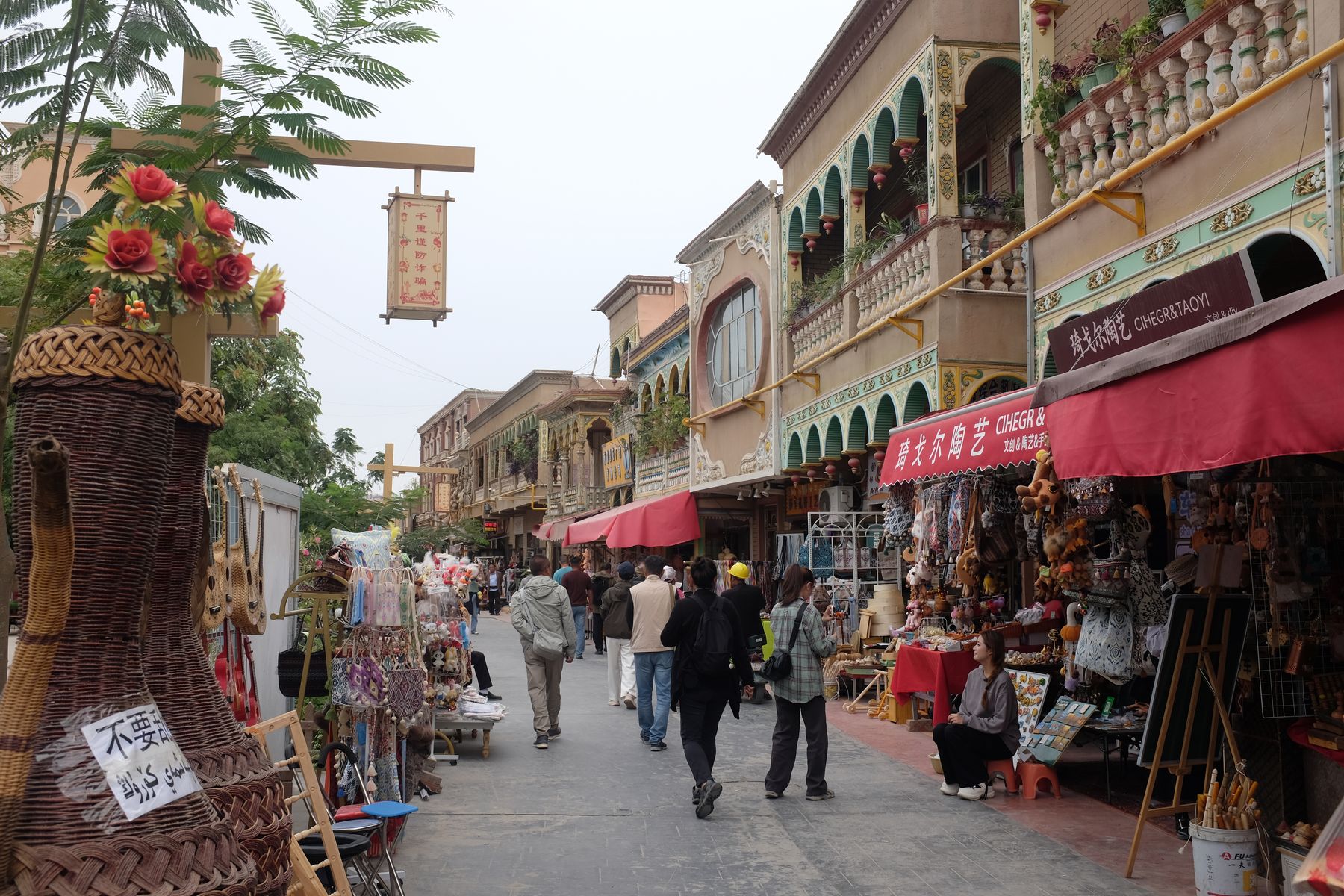
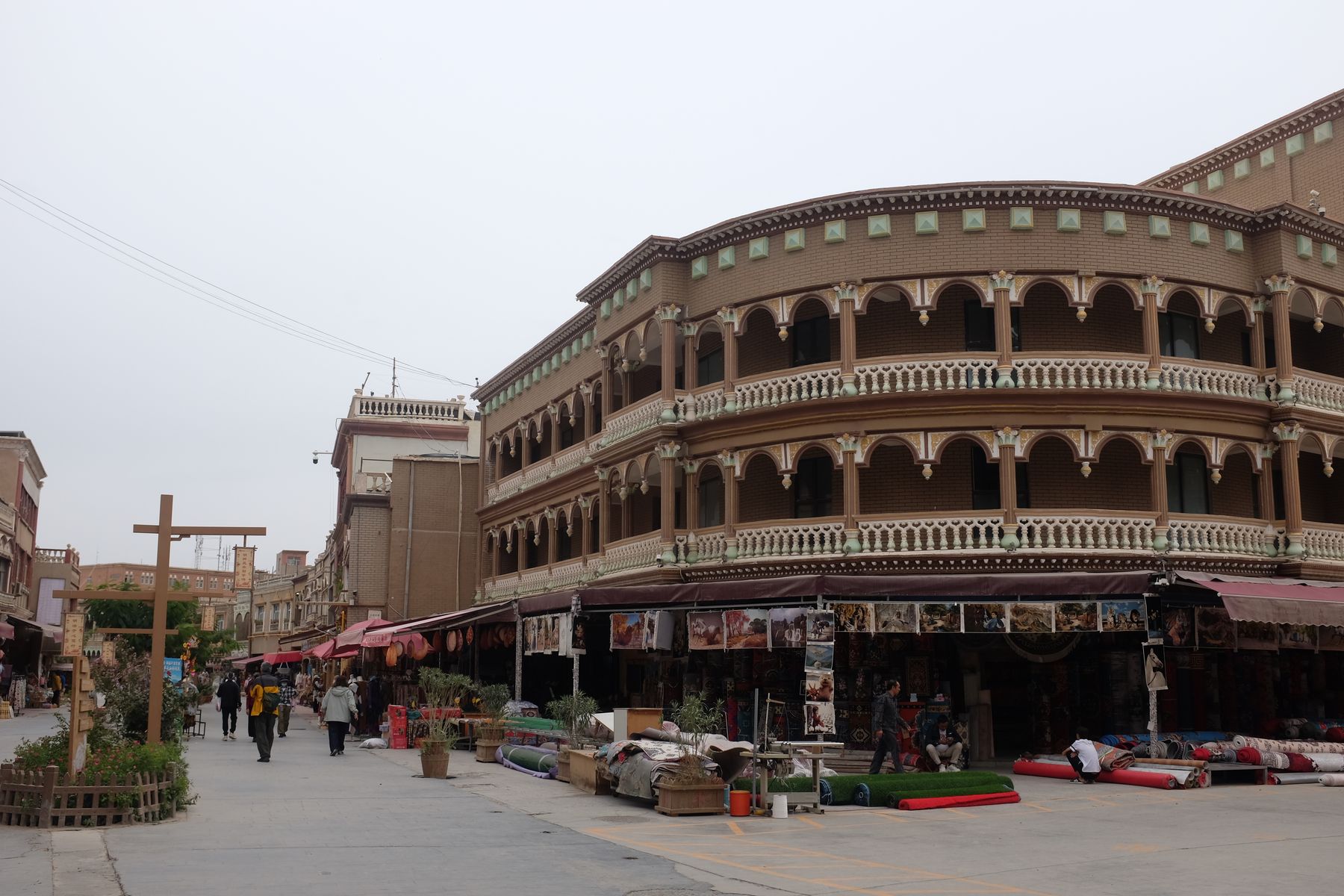
It’s often hard to find cities in China that retain their flavour after tourists find it. Money goes into a city’s development, cleans up the streets, and brings tourism there. Often, China “Disneyfies” its cities into a caricature of what it is assumed to be, both physically and in writing. It’s good for local economies and residents since it brings money and infrastructure. My general impression is that locals often don’t care too much about preserving the physical aesthetic of local cultures or buildings since the remodelling brings in better infrastructure and tourist dollars. And fair enough – the western fascination of preserving things in authenticity is futile both in China and in other parts. But where I’ve always found the preservation happens is from soft infrastructure like language, food and behaviour. I can’t put my finger on it, but the ethnic minorities here feel different to Han Chinese people. They’re a touch warmer, though initially just as distant as the Han. They’re not as loud, and pick up subtle cues in need and behaviour. And the men greet with shaking two hands together on the street. Once, I even saw two hands shake, and each kiss their peer’s hand on the back as a bond of friendship: a deep gesture of respect.
I see the famous mausoleum (阿曼尼莎汗陵), which looks like an odd structure amidst everything else. This has been heavily commodified, but still is solemn.
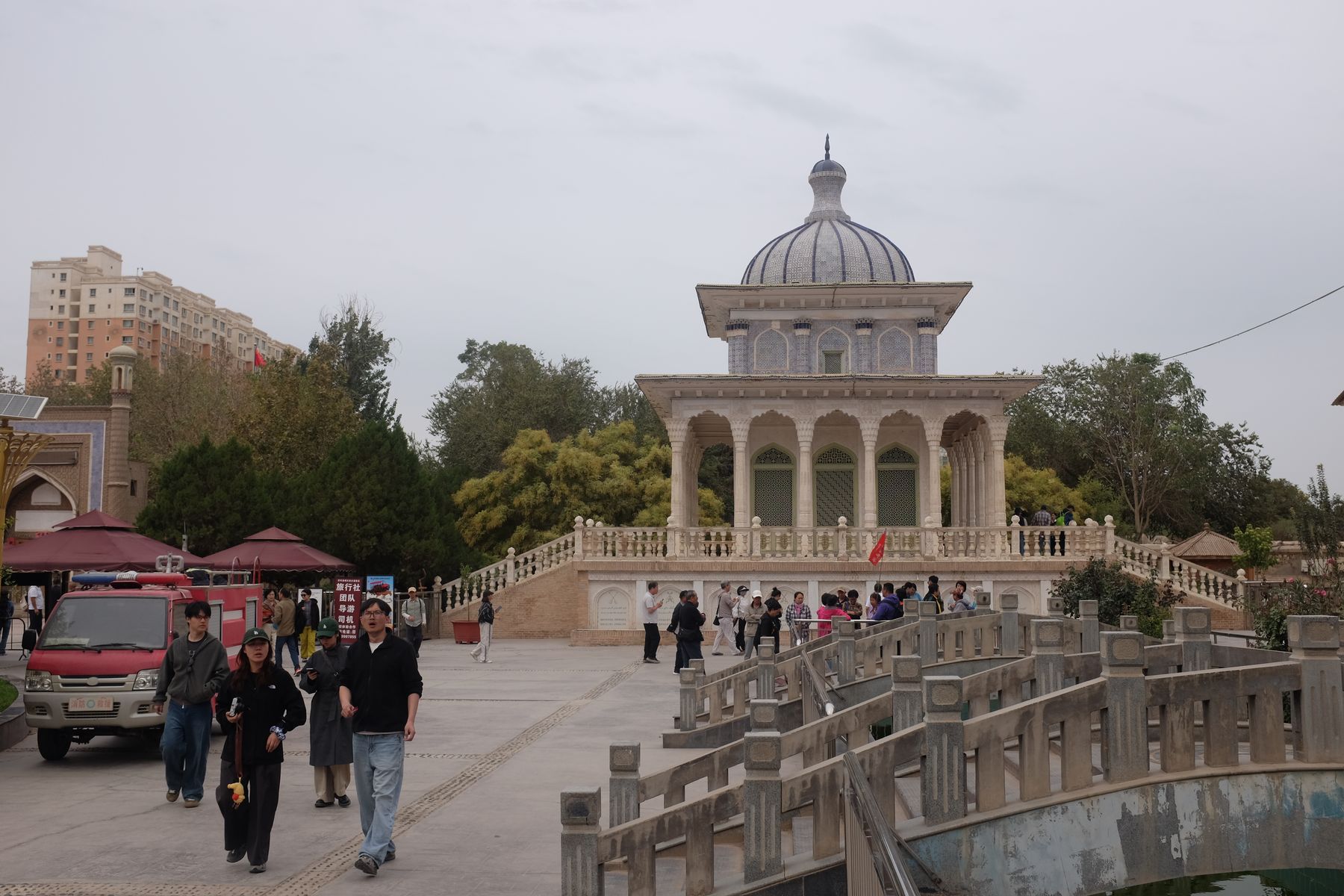
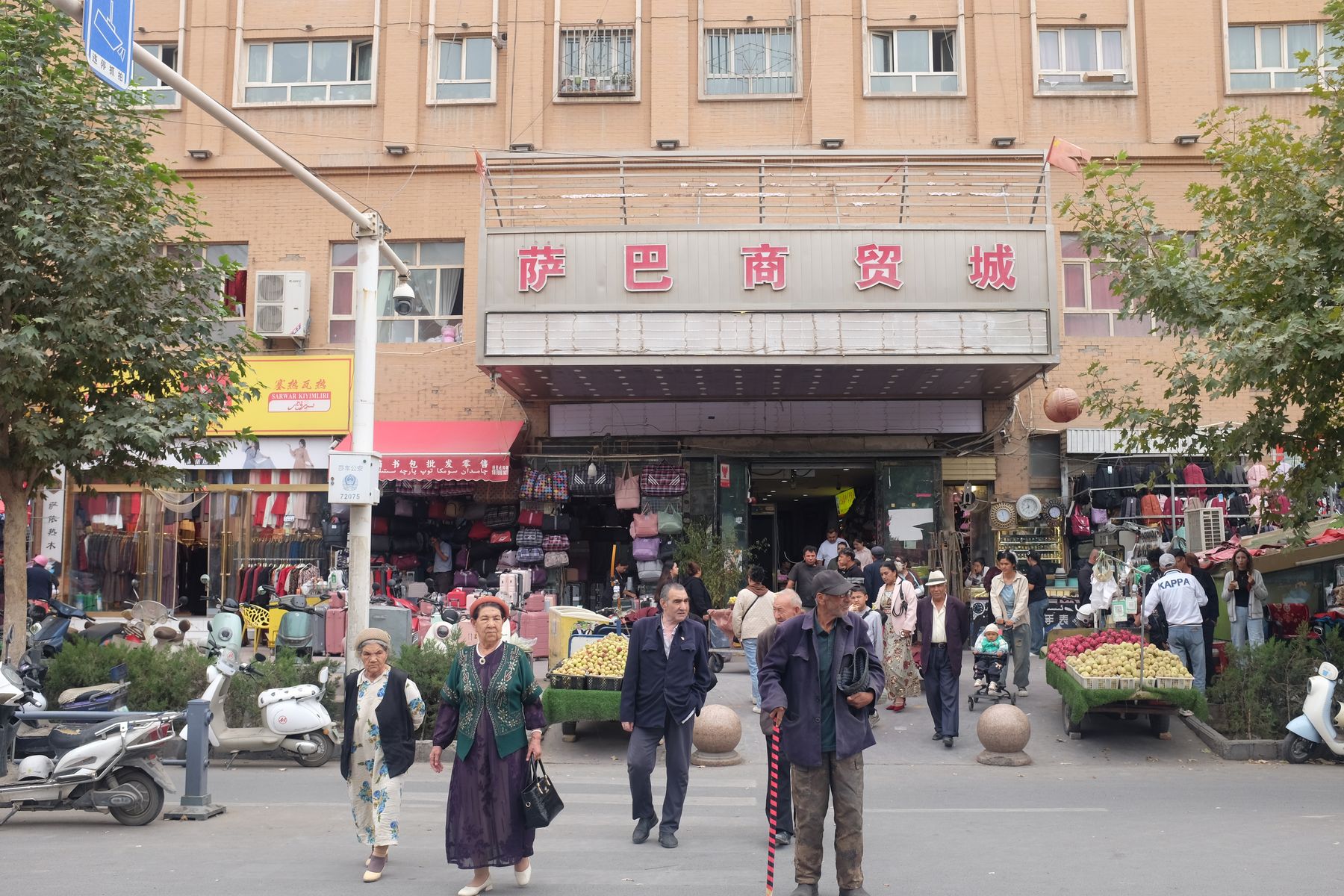
As I finish the market street which ends at the mausoleum, I decide to cross over to another side of the old town. Here is a site of the crossing: a mix of ethnic looking people and Chinese text.
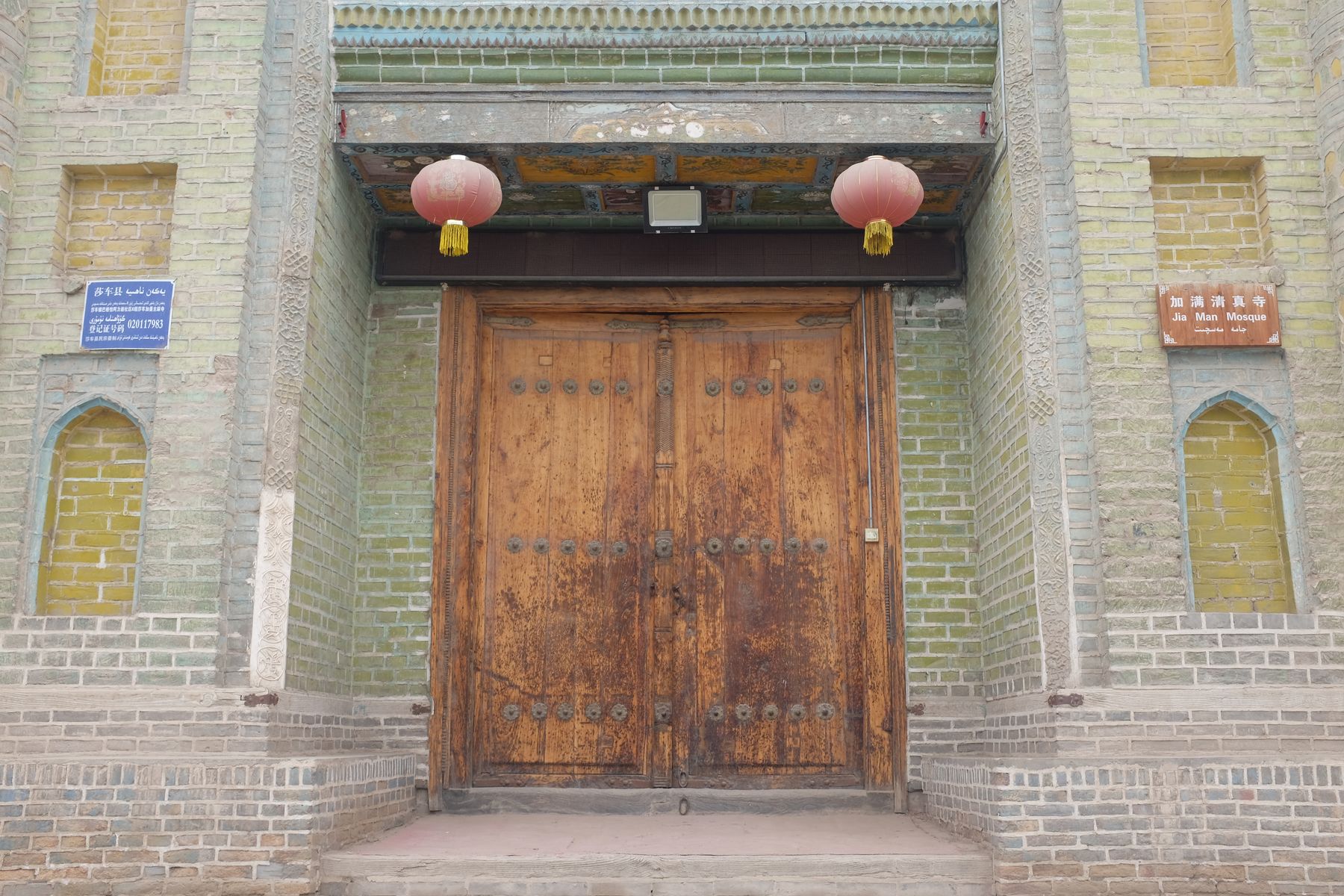
This section contains most of the mosques of the old town, and I thought I’d take a look (thought being the operative word). At my first mosque, it’s closed. This would be a trend for the day.
But even better than the mosques were the small streets, which, despite their rejuvenation in terms of infrastructure, still kept the original small alleys of the original city. There is hardly a soul around these streets, which give an air of mystical silence.
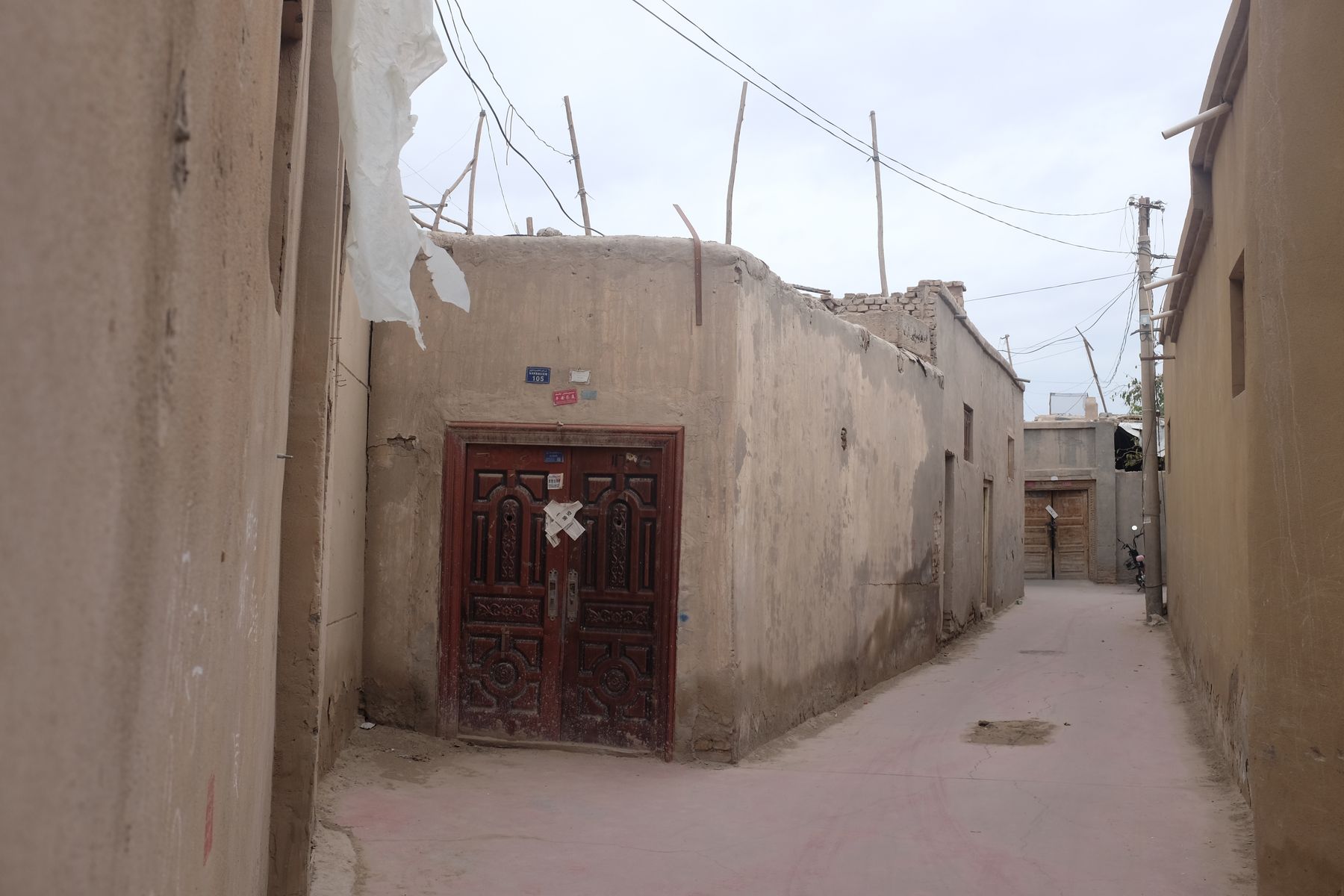
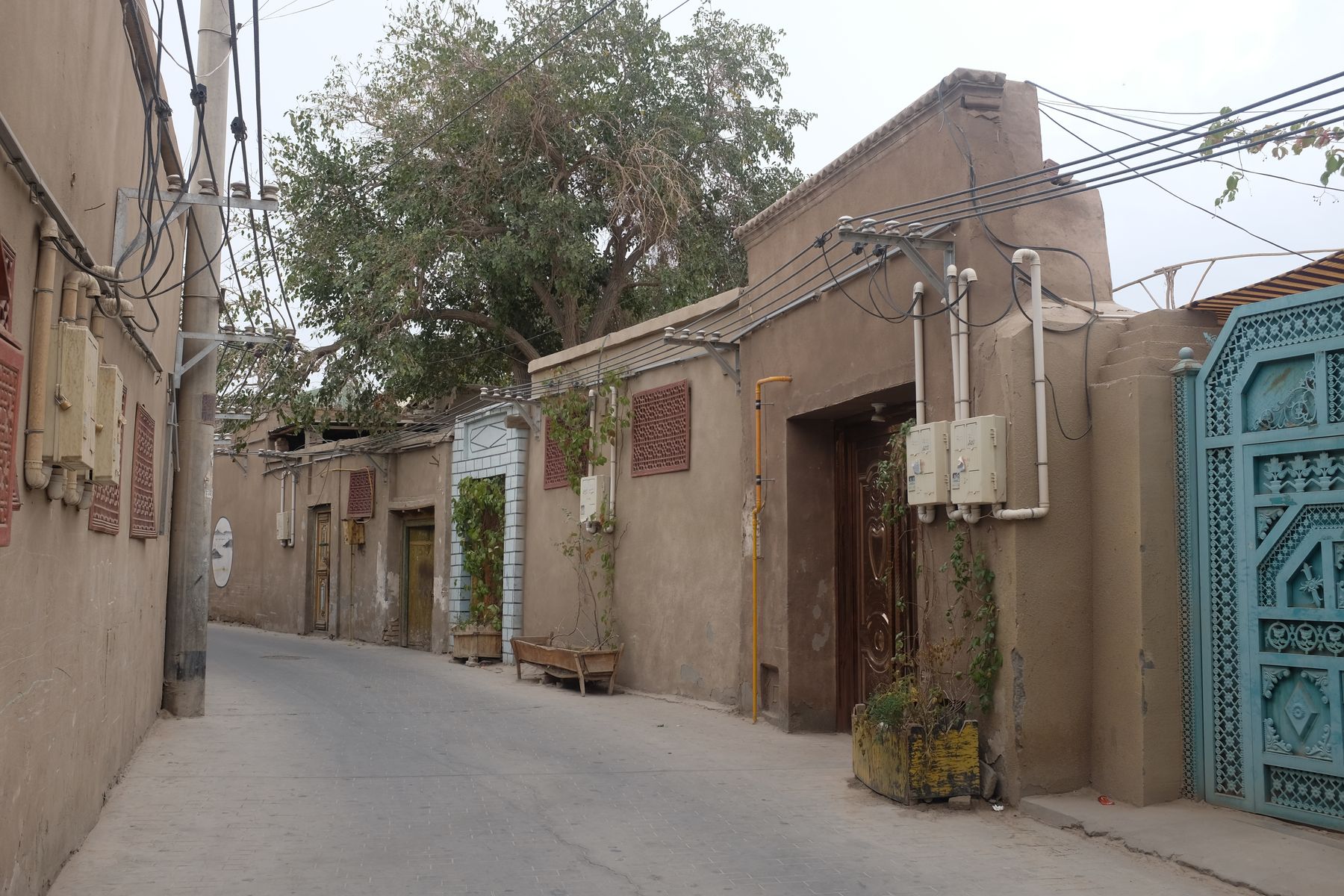
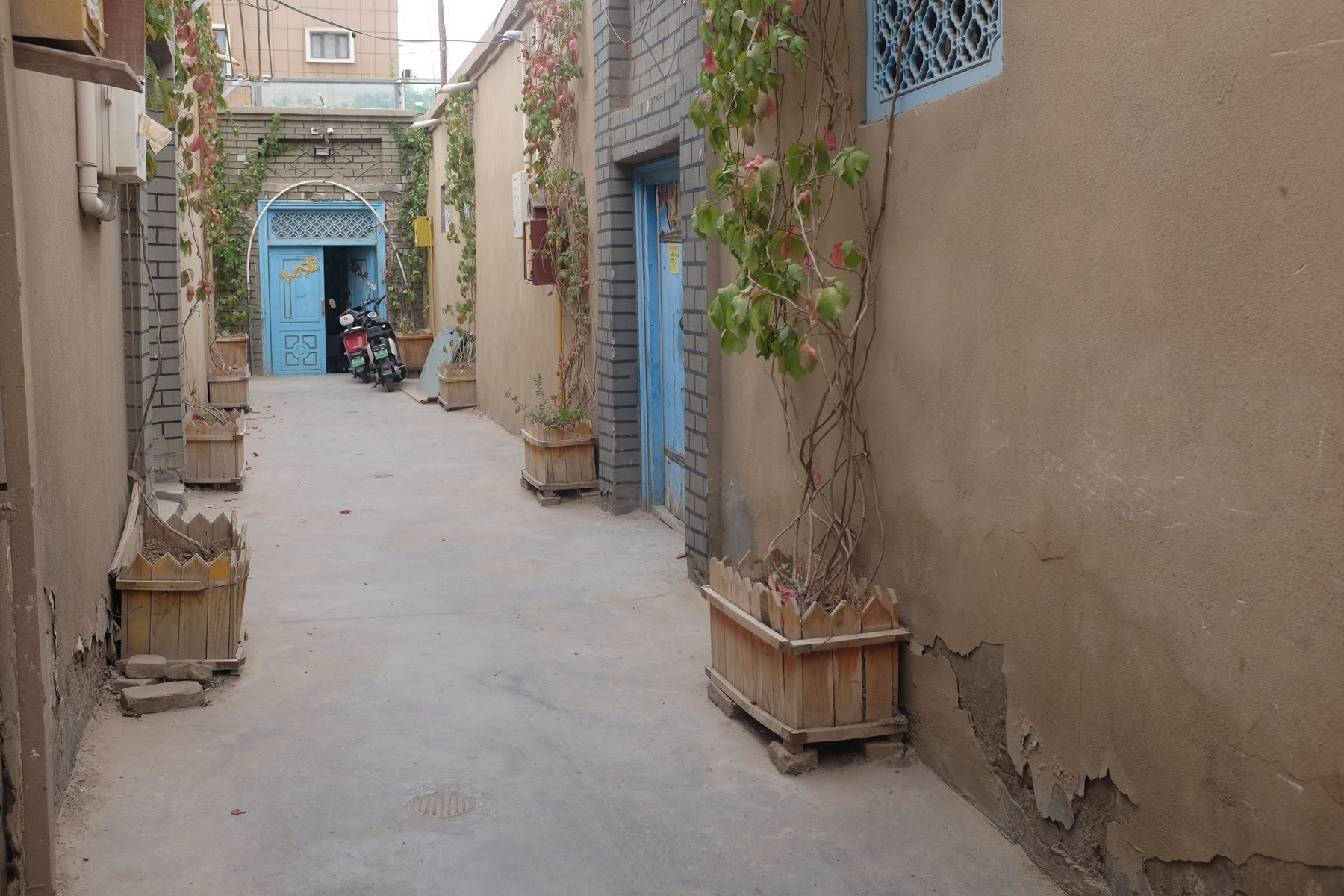
These streets are like a maze, some ending in dead-ends and come connecting to others. I spend an hour wandering through and realising all the major sites are closed today for rest.
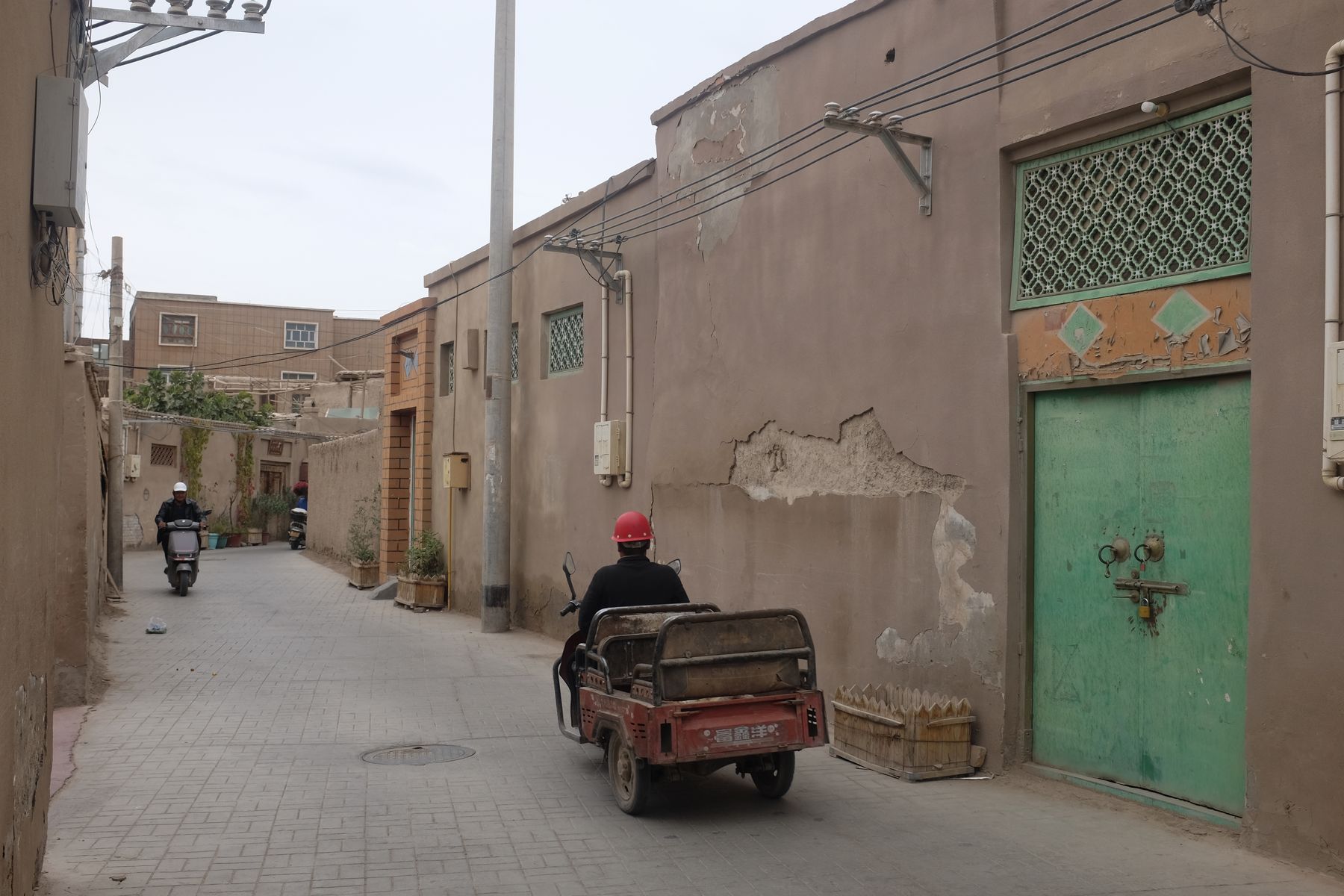
I come across my second mosque along the major road, which is more built up but still preserves that rustic, silk route silhouette
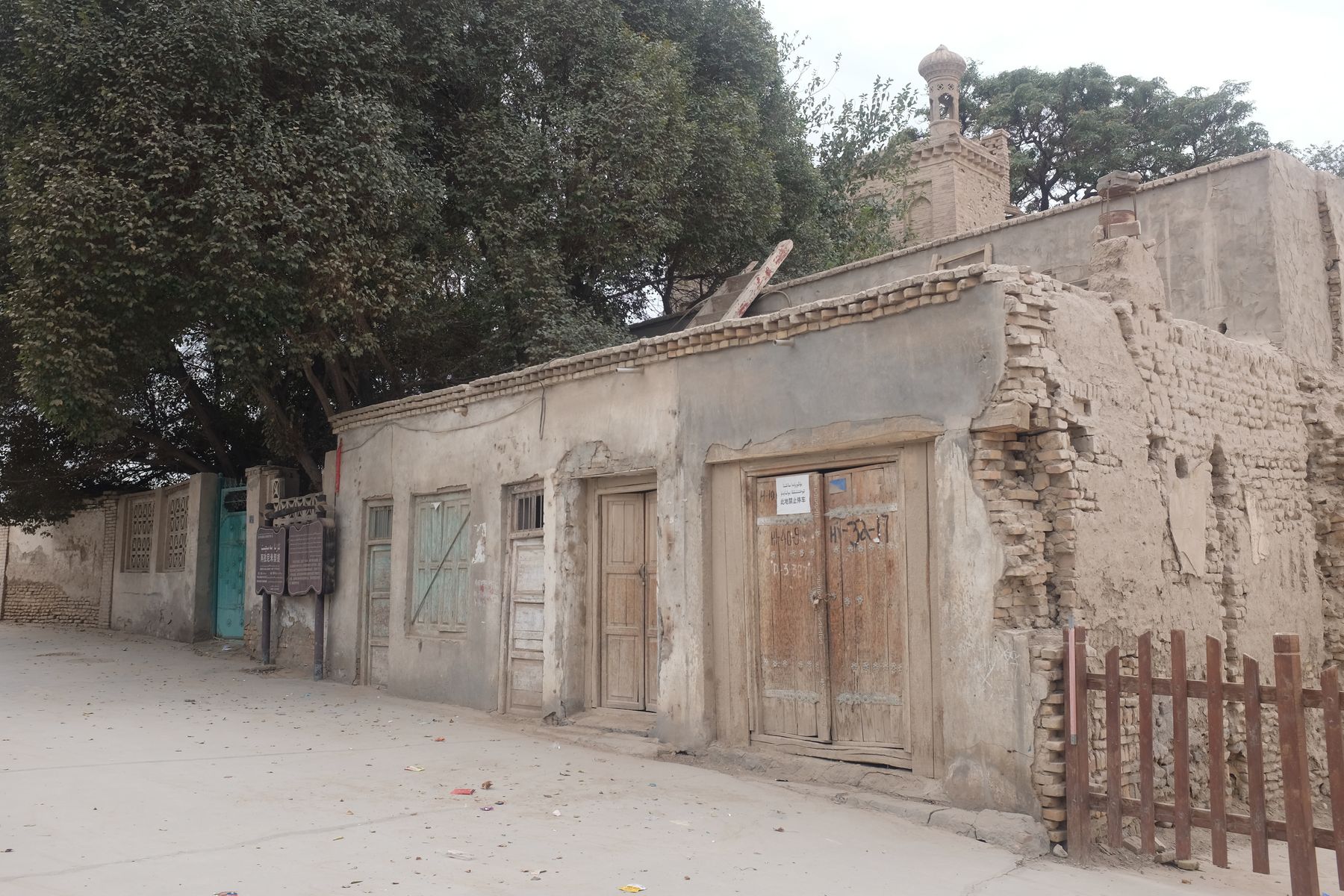
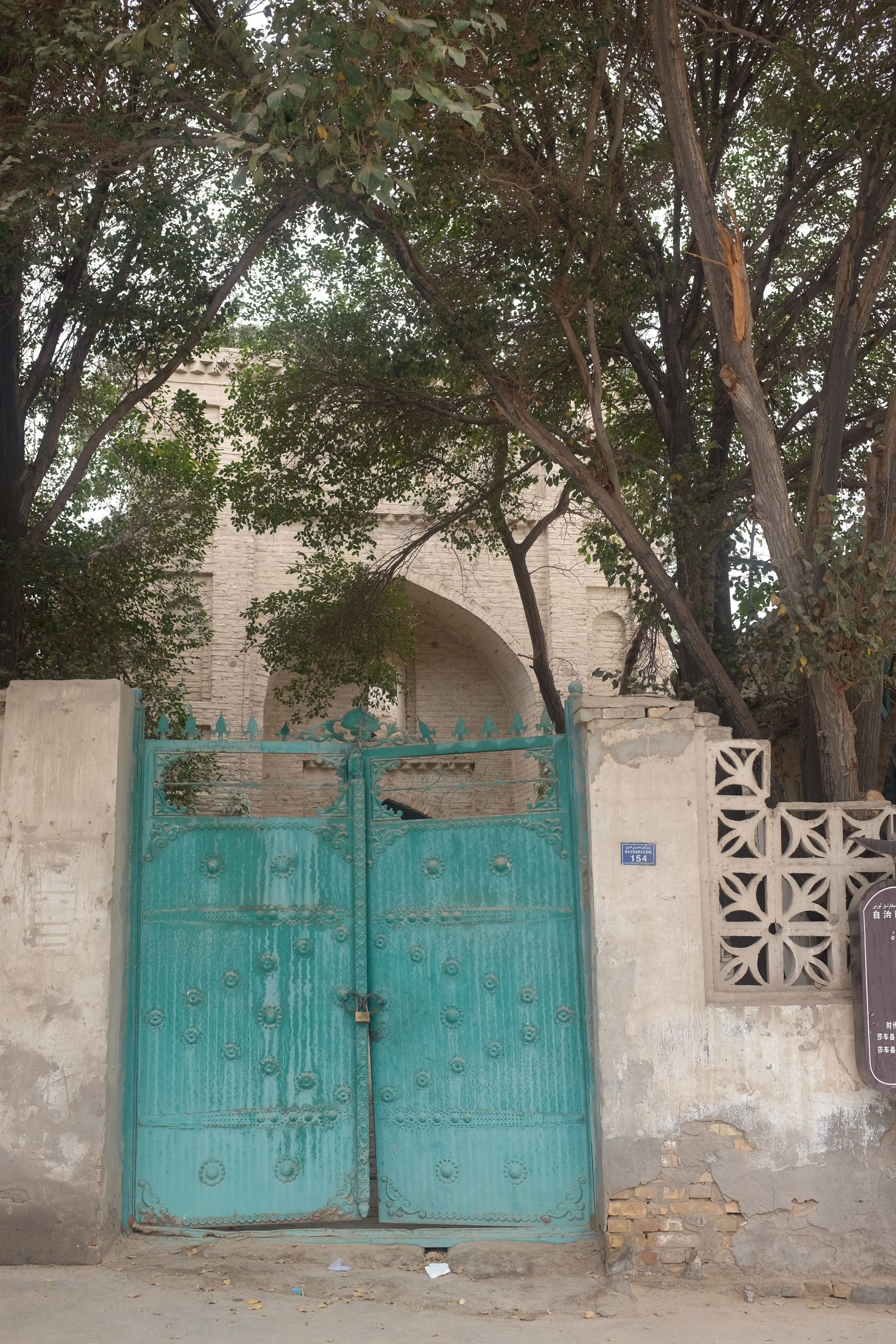
On my third attempt, I accept my fate. I leave the main road back for the outdoor tunnels of the old town and come across my third mosque, also closed. It is unsuspectingly nestled into the neighbourhood walls.
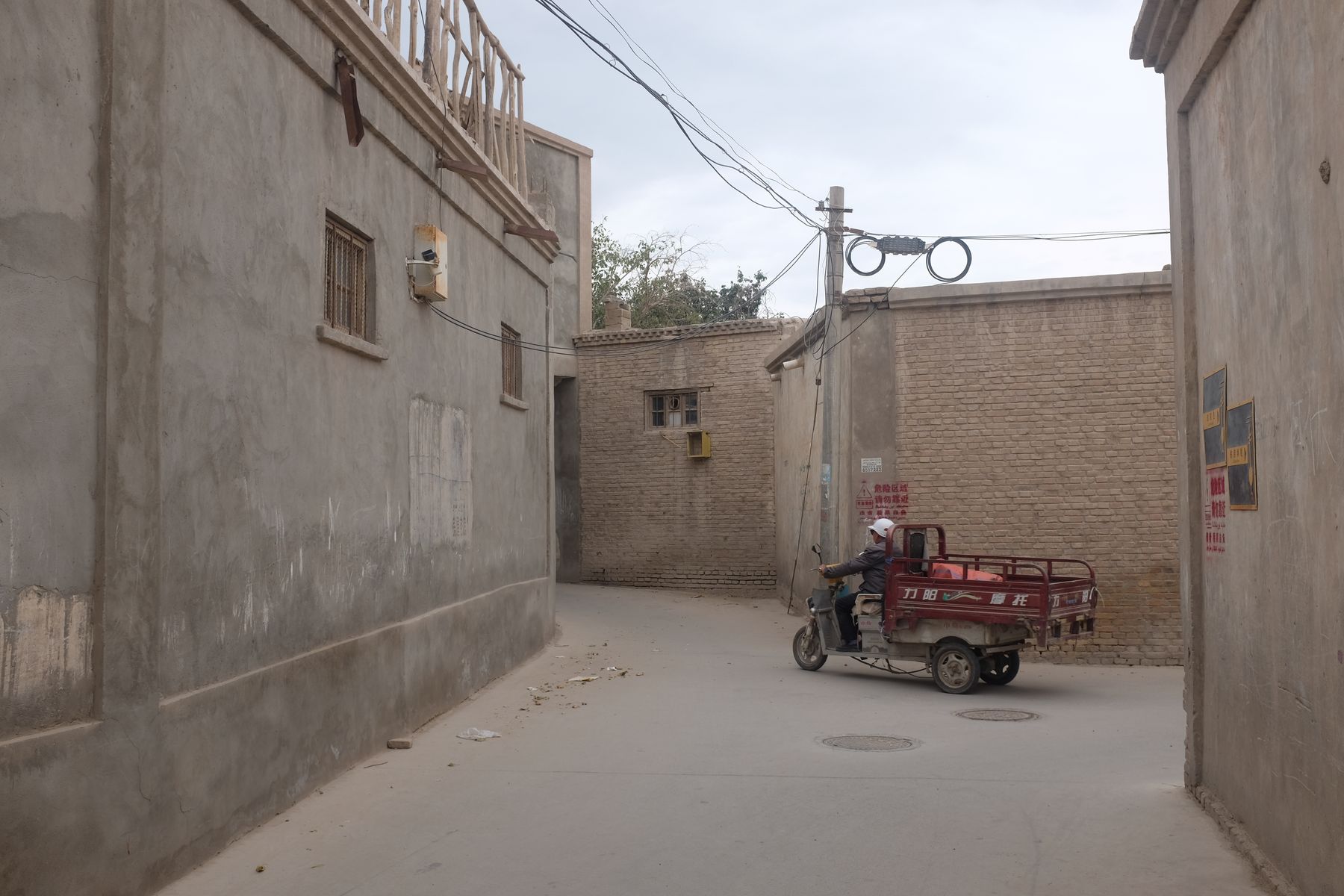
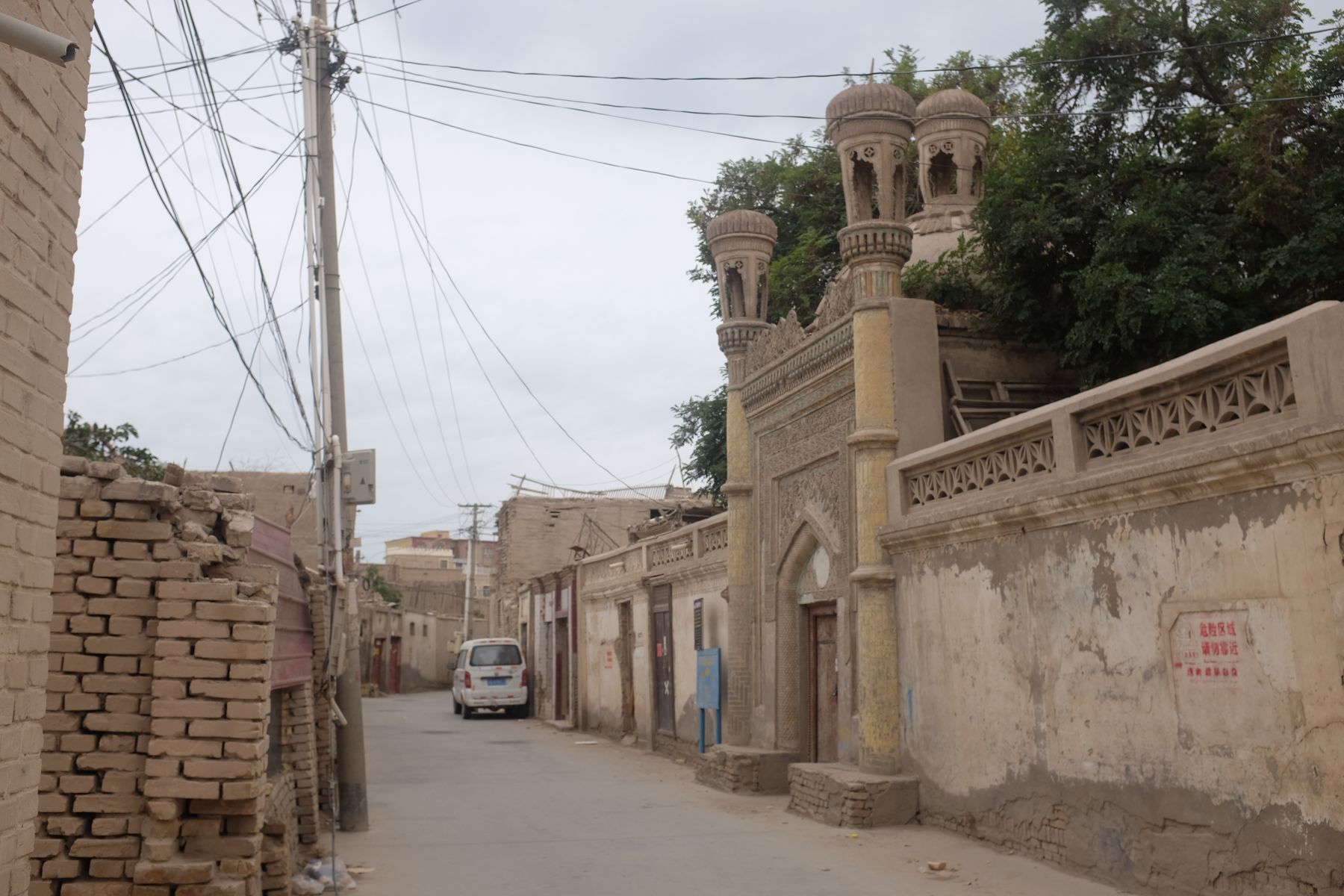
I count my losses, and decide to call it a day. Had I had more time, I would have spent a few more hours here just walking around the old town. If the mosques were opened, I would’ve spent time inside, too. There’s a nonchalant, everyday-living feeling here that speaks louder than any Disney-fication that has been done. It feels like I am on a stop for a journey elsewhere down the ancient Silk Road.
---
That ends the journey with my driver.
I haven’t written about him much on the trip thus far.
We have limited conversations throughout the trip. About three-fourths of that is because he is talking to his friends, girlfriends, and arranging the next ride to make his cash. The other one-fourth to that is because I am on my phone. Between those two activities, we speak occasionally, but openly.
He’s 26, silly, and a general “lad”. He teaches me to say dirty words in Uyghur to his female friends, who tell him off for being so uncouth in his language, to which he chuckles. I have trouble understanding his accent in Putonghua at times, but he is totally fluent. He texts while driving, oscillating between the speed limit, 0.5 the speed limit, and 2x the speed limit. He’s a dangerous driver with little regard for road safety, and treats driving like a game. One such example is that he would deliberately get into the way of a driver merging, or directly speed ahead and block a car that wants to merge in. A punk, I think we’d call it, if we were the other driver.
Like most kids that grew up in developing Asia, he’s also hardy. I’m positive that for a couple of nights, he slept in his car and sorted out his own (junk) food for meals that which he and I didn’t eat together. He didn’t give any trouble to me for this. He is, on the one hand, straightforward: on the first night during the incident of him not staying with me, he told me that the hotel staff said he couldn’t park and sleep on site, and told him to go to the rest station one kilometre away. He was upset by this and threatened to pull me from the accommodation, but decided not to, and put the hotel on blast in the driver WeChat group instead. He only told me about this on the next day after my stay, and slagged them off because that’s what a simply professional person would do.
He’s not the best at explaining things, either. When I asked if Baisha Lake was a lake and not a reservoir, he said it’s a lake (it’s, in fact, a reservoir). He barely knows how to use WeChat which tells me he’s relatively new to the business and non-professionalised (he asked me to help him pull together a group on WeChat, and asked how to broadcast a message to the group). He also tells me that he just started his Little Red Book (Chinese Instagram) page.
He just drove, and nothing else. He did not give me lengthy explanations about anything, and simply appreciated the views. He is also ignorant about much of the world: I was a “Chinese person who had his household registration moved abroad”; he put on a song in Spanish and assumed I understood it since it was a foreign language; and he was agreeable to my comments in a Thing 1 and 2 kind of way. I think this will change as he becomes more experienced, and interacts with different kinds of patrons. But not all the blame is on him. I gave him the vibe that I was fine to have him blast loud music when he wanted, and to roll down the windows and enjoy the open air. I only wish he had been consistent with it; he would often alternate between blasting music, leaving a voice note on WeChat to his friend, a phone call, and then watching videos on his phone – all while driving.
In the end, he was just a kid who had a car, and was told to drive people around. I don’t fault him for any of that, and he’s out here making a living. I’ll strangely always remember him, and I never even got his name. Even when applying for the border permit, he gave me an alibi. Maybe one day I’ll be the reason he continues to be distracted on his phone while driving around some group of unfortunate patrons with a far less appetite for questionable driving.