DAY 3: Karakol Lake (喀啦庫勒湖) > Panlong Road (盤龍古道) > Bandier Lake (班迪爾藍湖) > Pamir's Eye (帕米爾之眼) > Tashkurgan (塔什庫爾干)
2026-09-16
Stay: Tianyi International Hotel
It turns out that if a local Uyghur stays in the same room with a foreigner, it flags in the Chinese system and the police would be here the next day – so says my driver. However, I’m not sure of the validity of that. The driver asked me if I said anything more to her, and I said I didn’t enquire further. It’s this awkward “in-between” space where something is said, but nothing is accomplished. So, either the Han lady at the front desk did not know about that policy, or the driver just didn’t want to stay. Regardless, it was the answer I got.
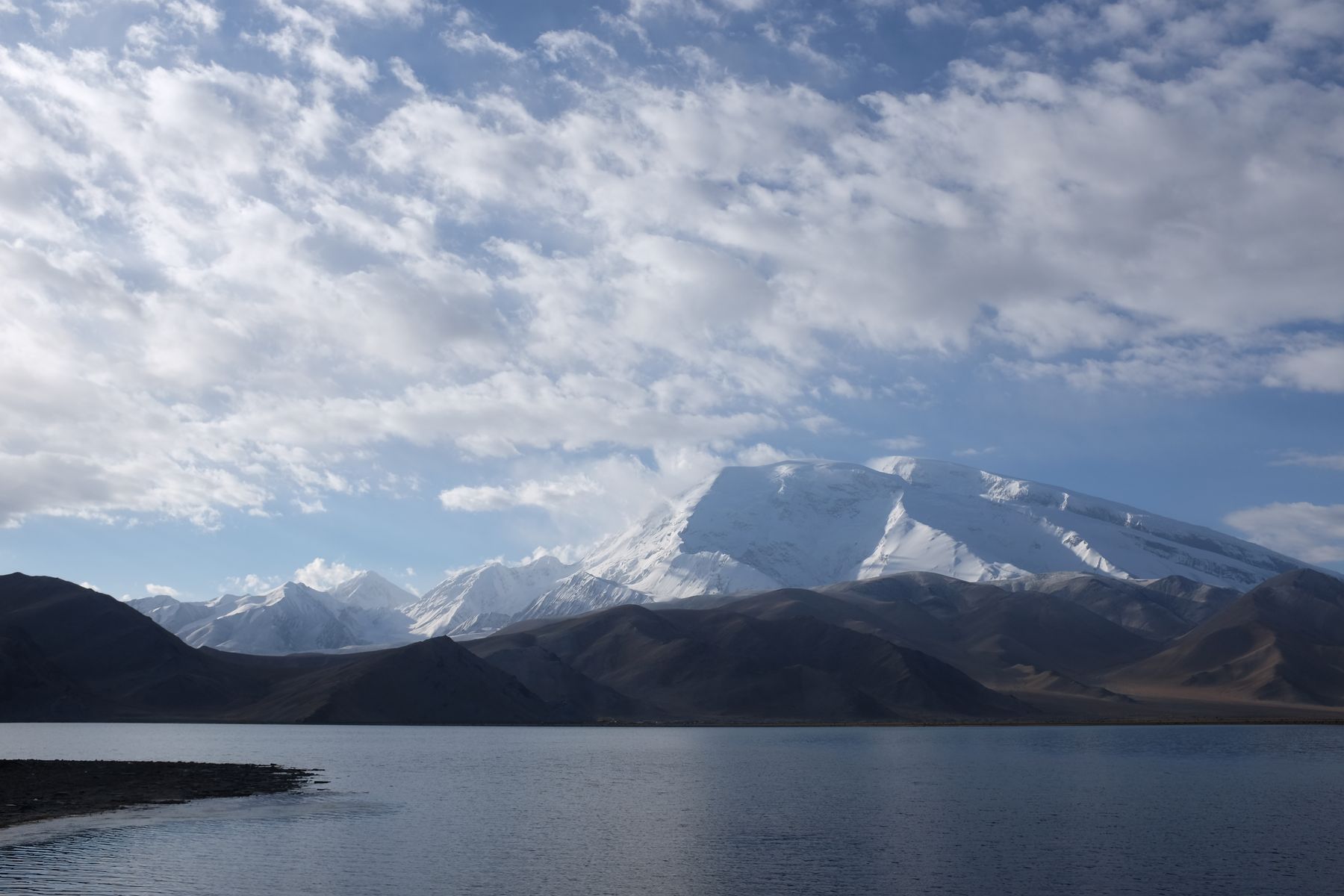
I stay just 1km from Karakol Lake (喀啦庫勒湖), and I am the first tourist to arrive. It’s slightly cloudy, but it casts a nice reflection o the lake.
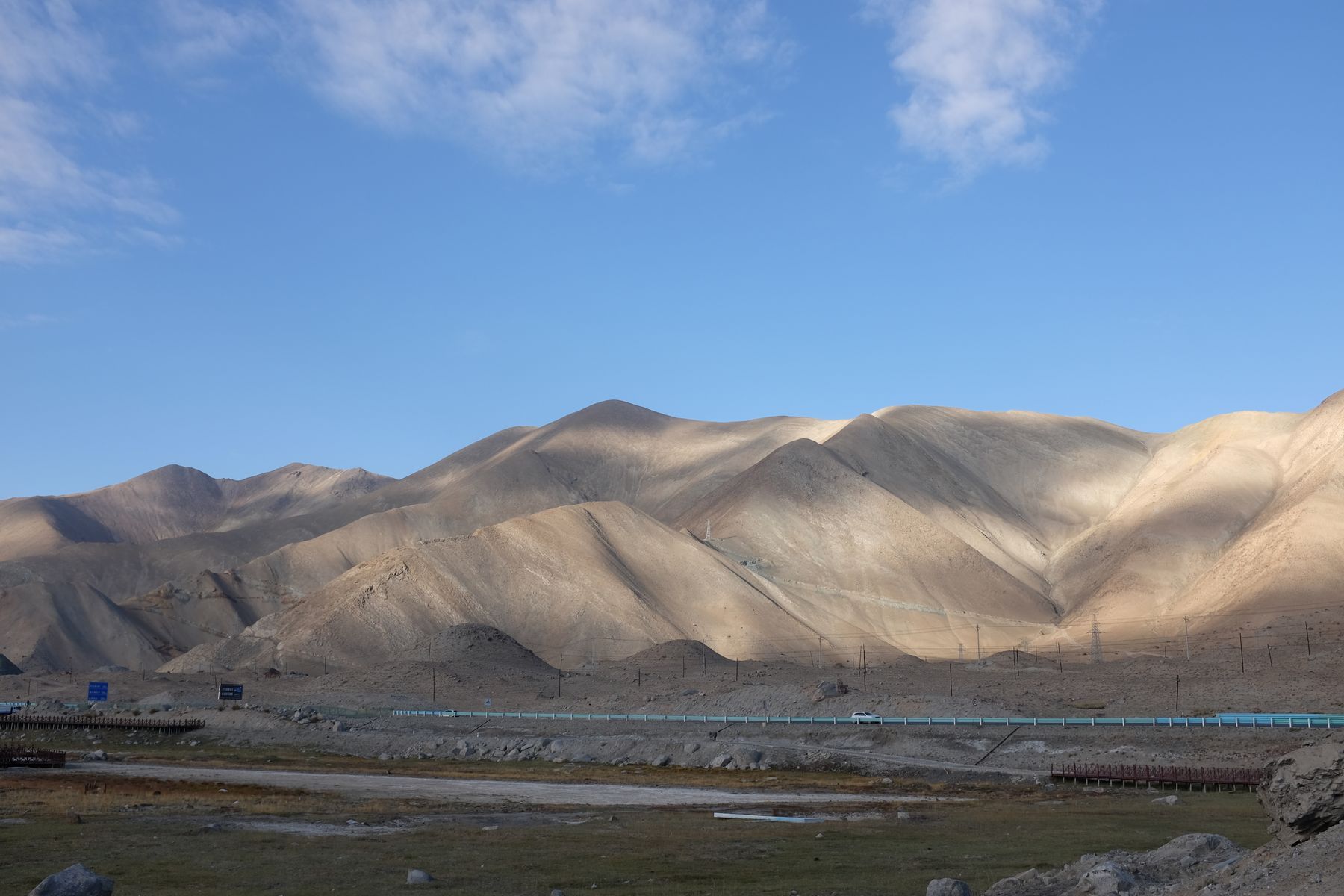
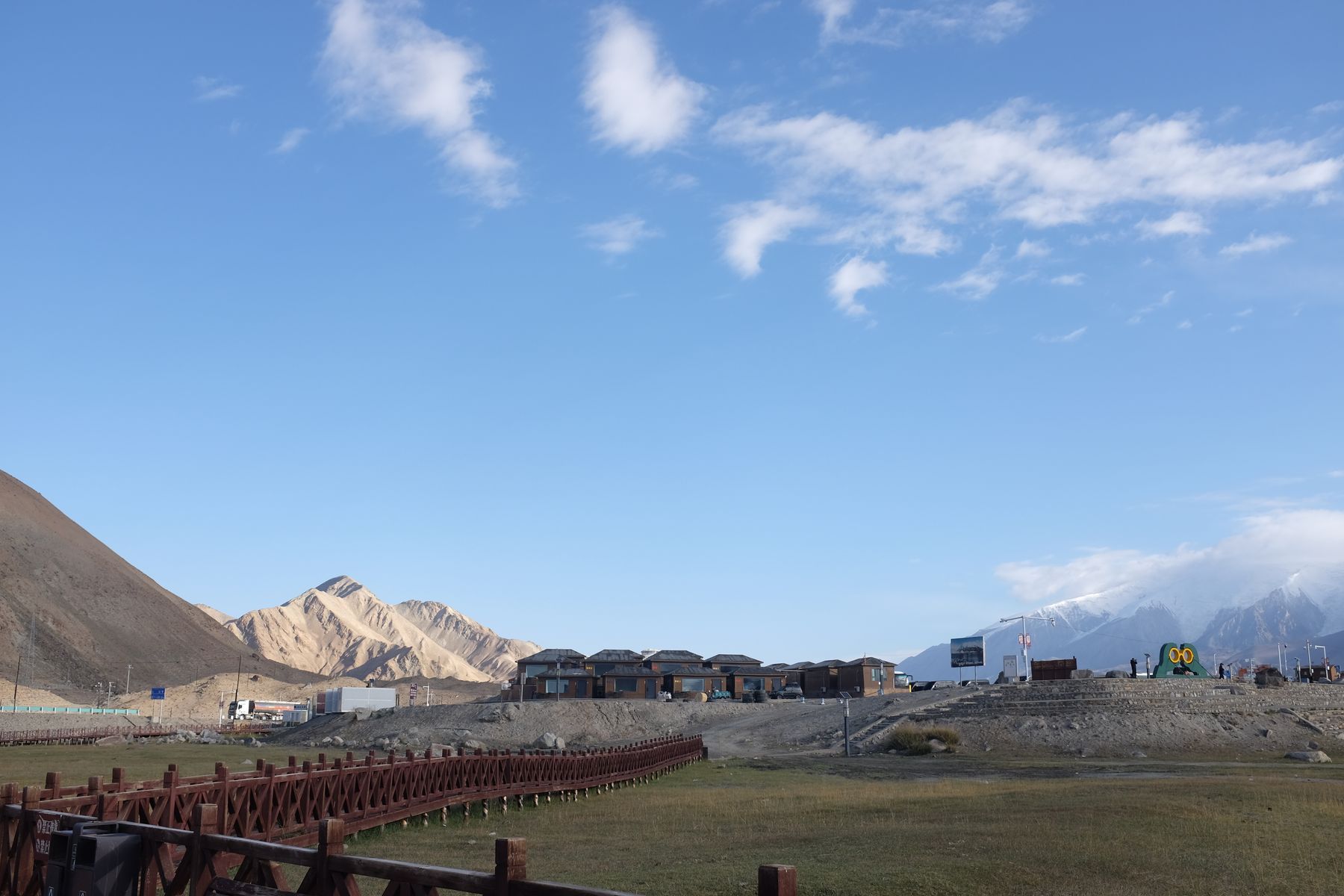
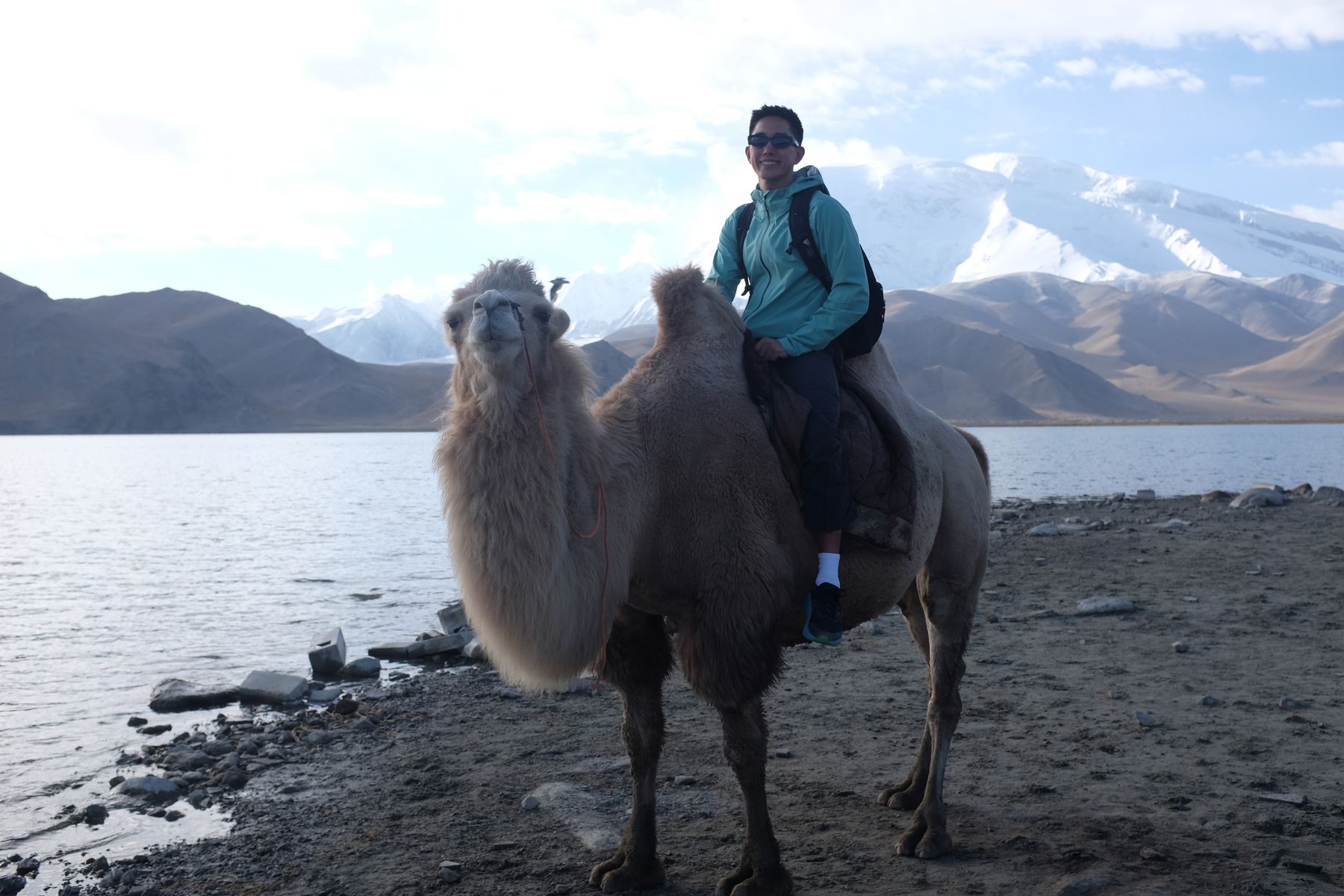
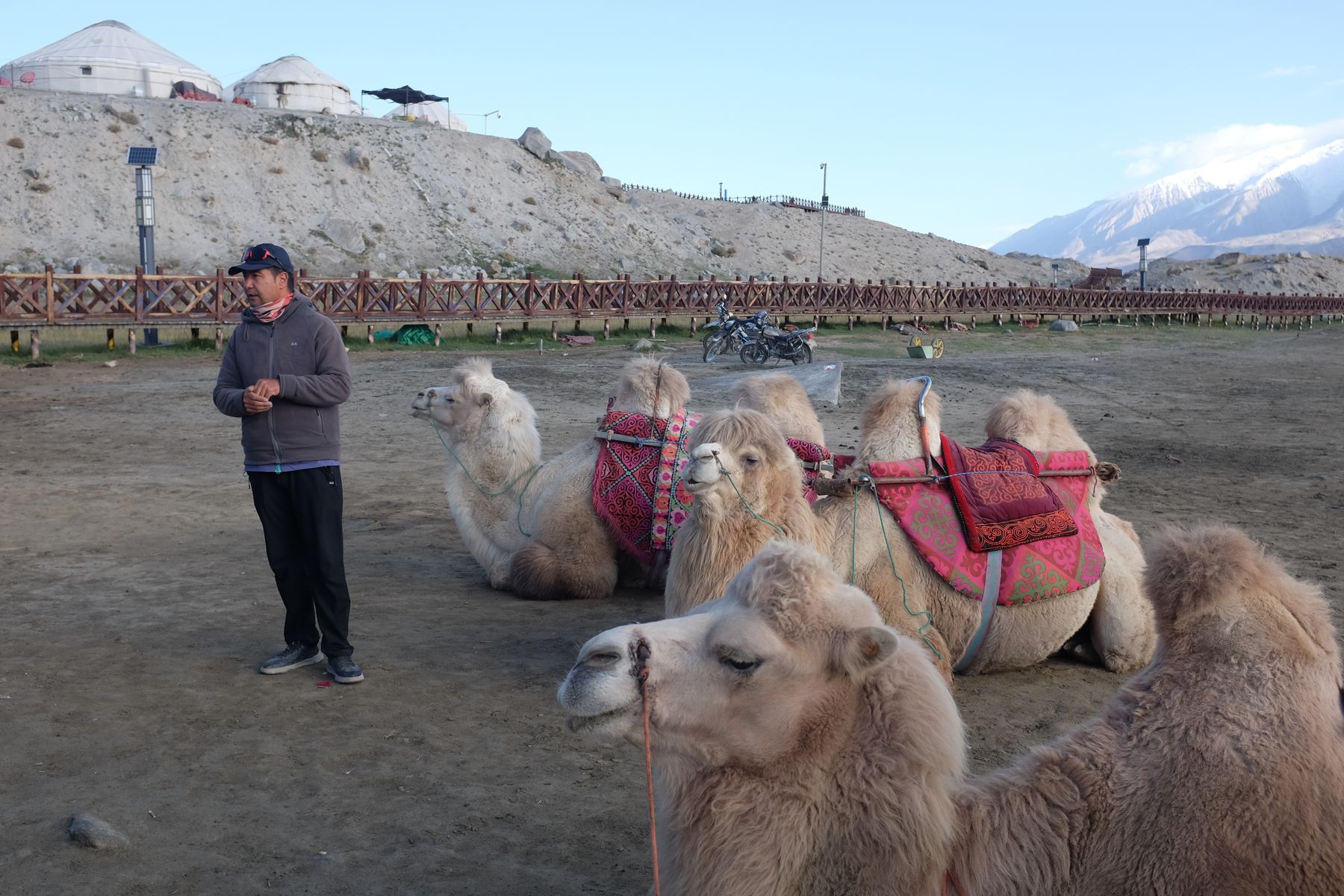
I see what I think are some herders shuttling camel along, until I realise they are moving camels over to the tourist area to get some business for the day. I mistakenly think they ask me to join them on their motorcycle to herd camel, but instead end up on one instead. I promised myself I would never ride an animal, but here I am. They’re awfully smelly.
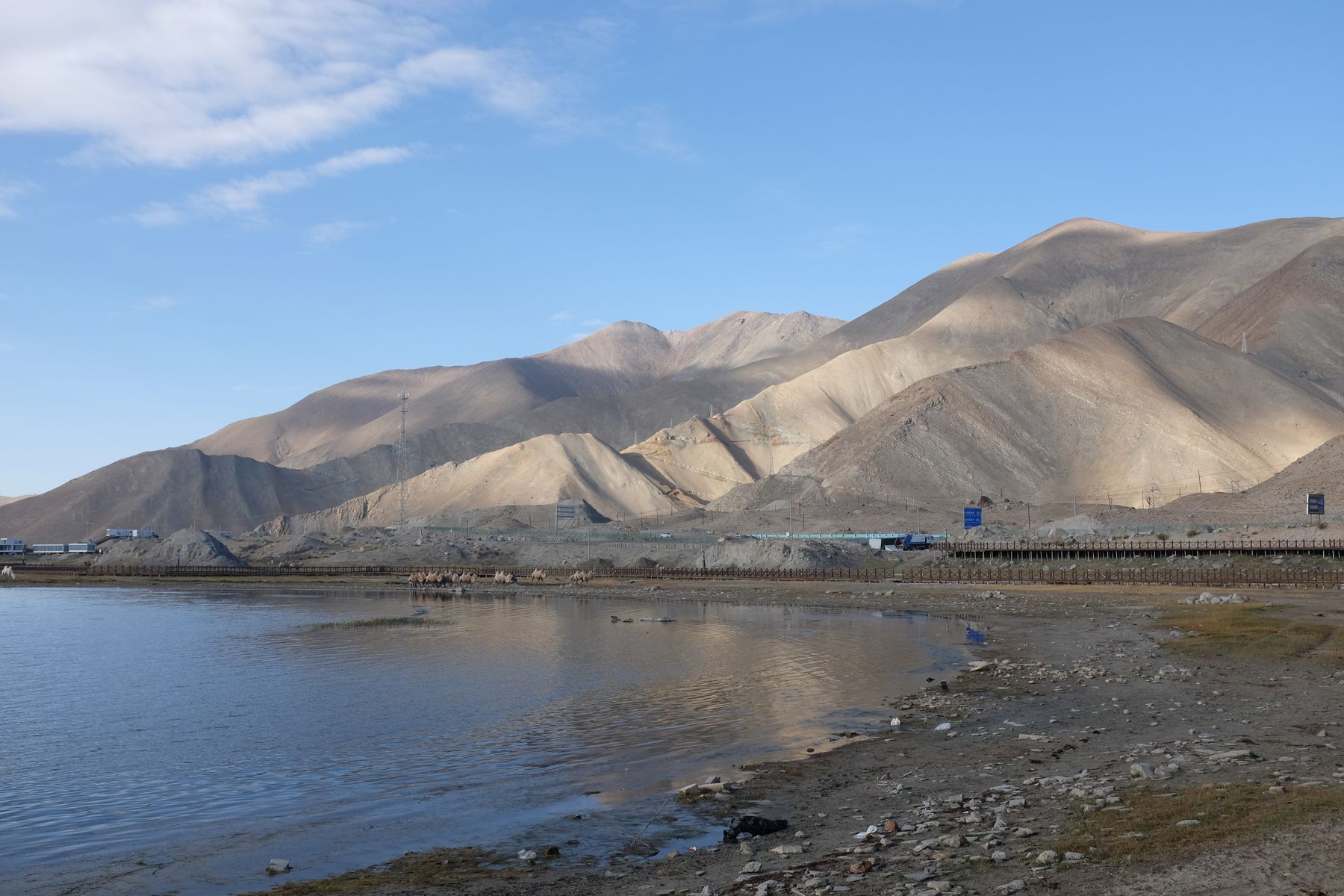
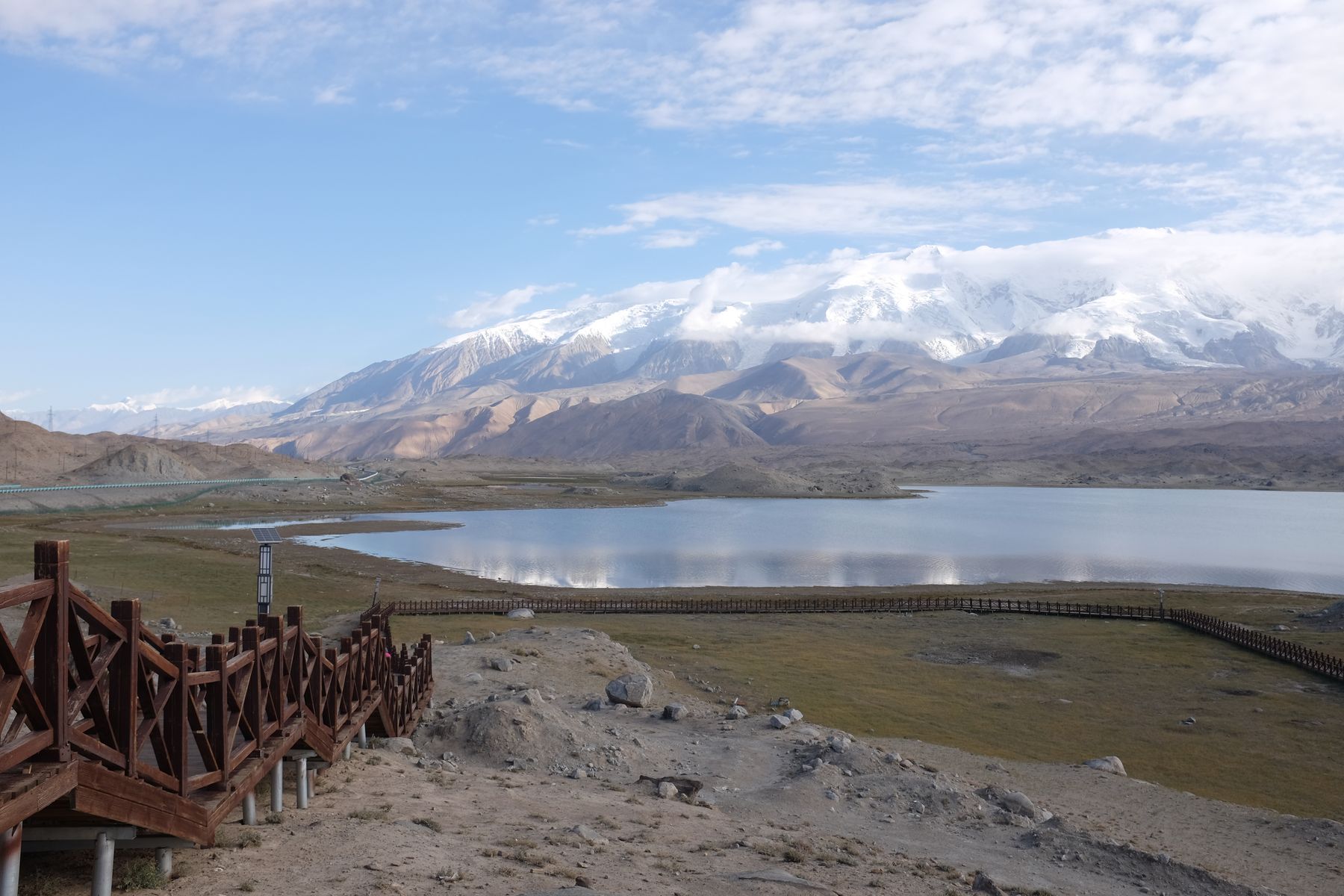
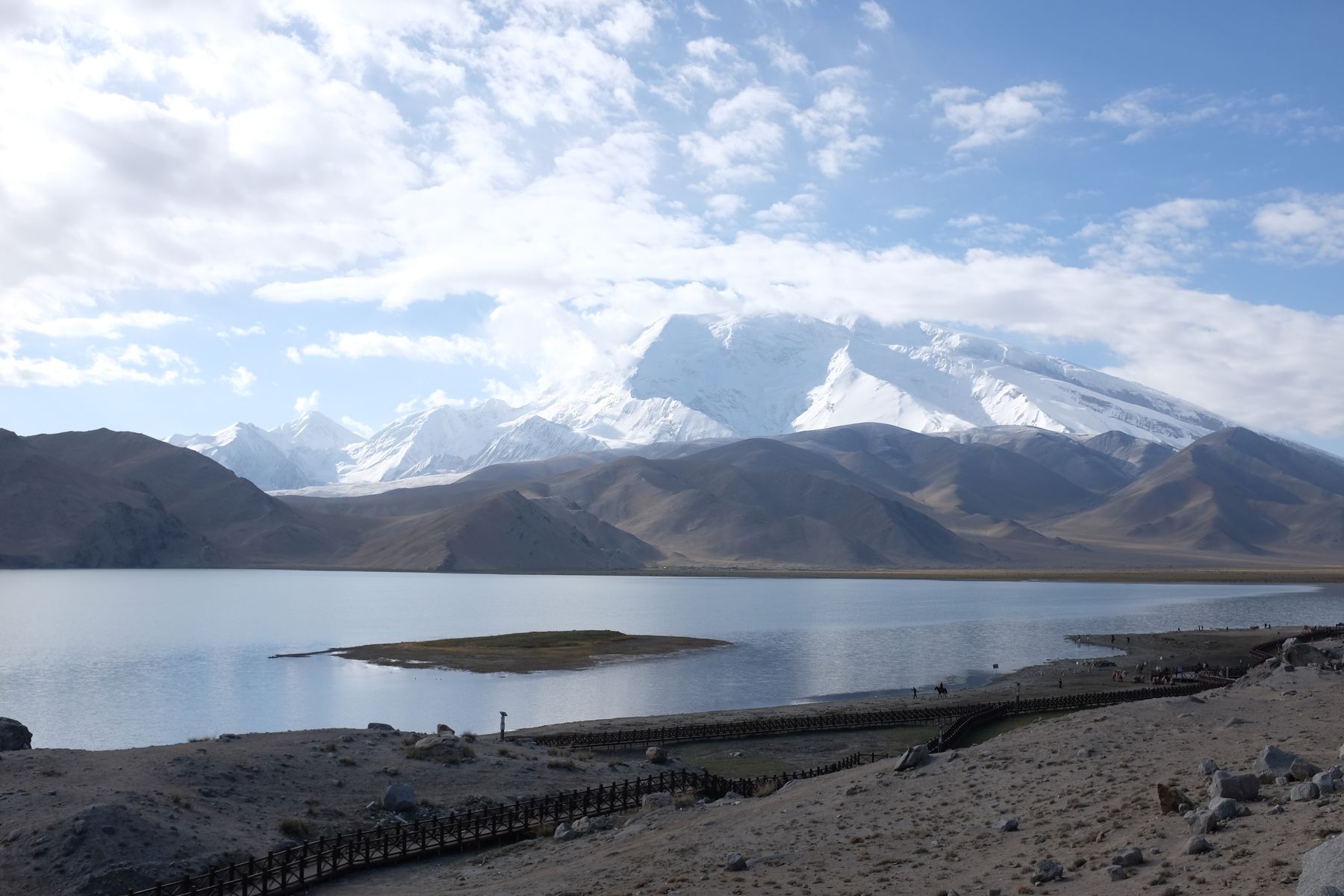
As the morning deepens, there are some stunning views of the Lake.
I am supposed to go to Muztagh-Ata (慕士塔格峰), a large glacier park, but it is closed for the time-being without notice of when it will or won’t open. So we move on to Tashkurgan (塔什庫爾干), an Autonomous Prefecture with a small little town.
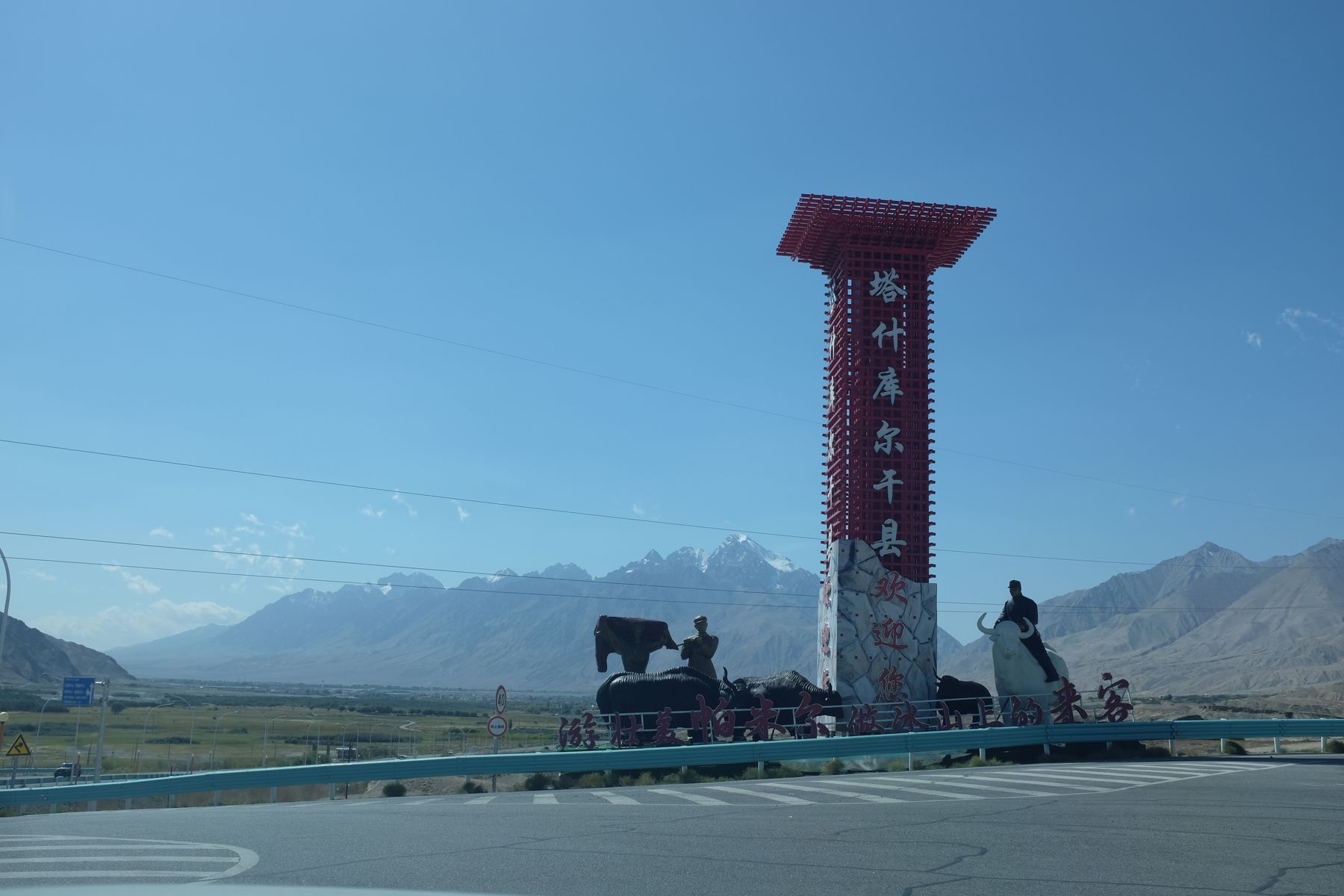
The mountains around here begin looking more rugged and brown, with less snow.
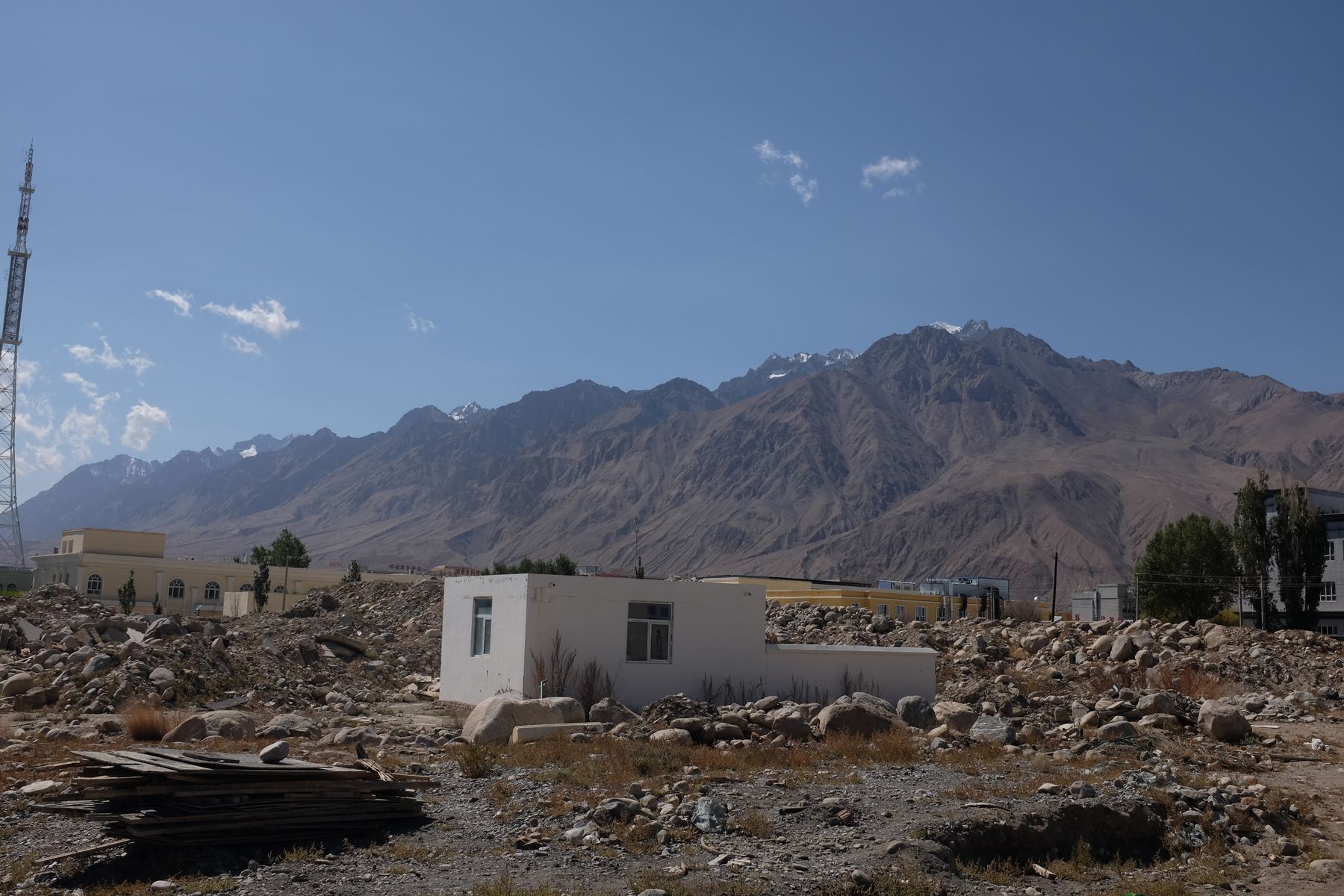
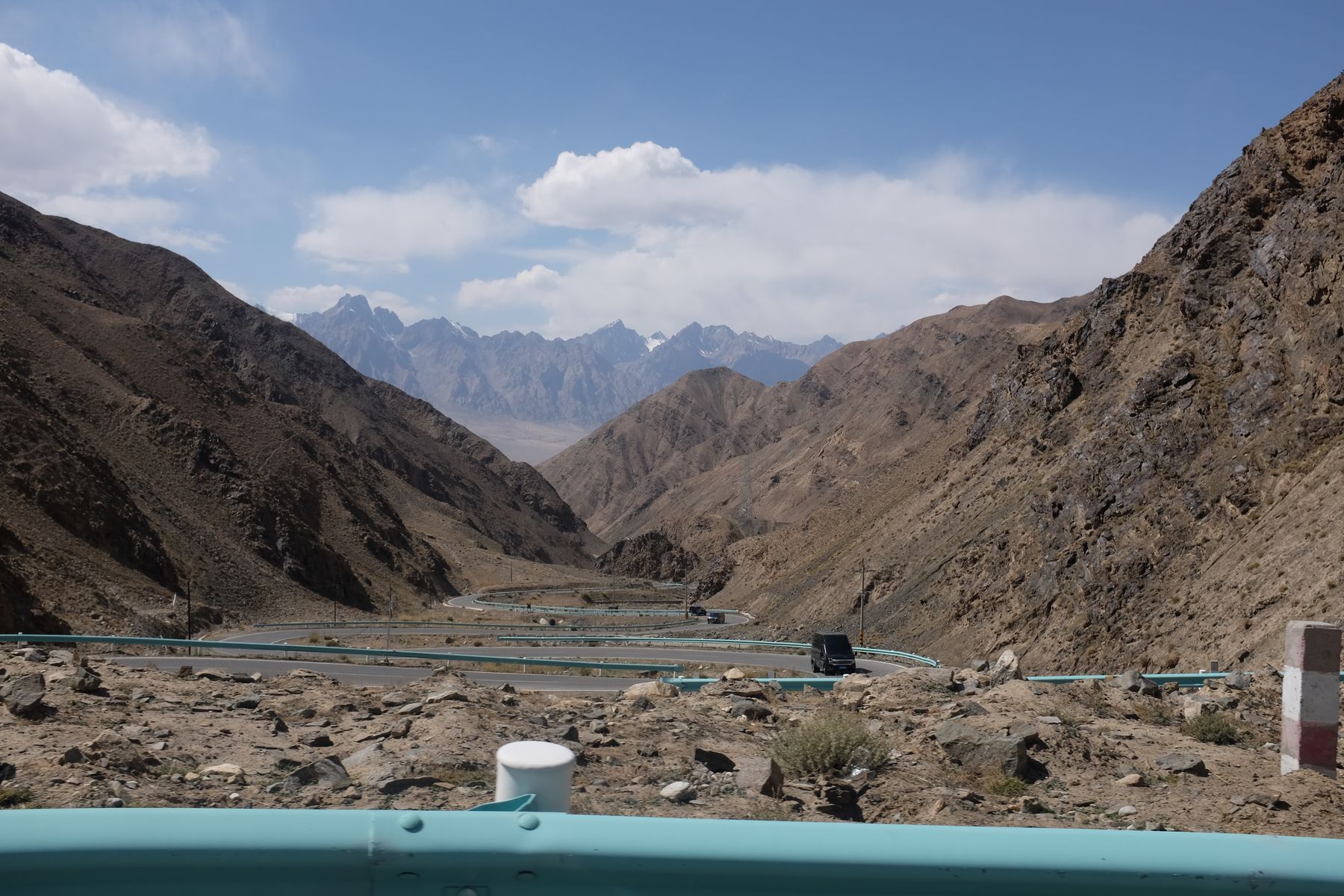
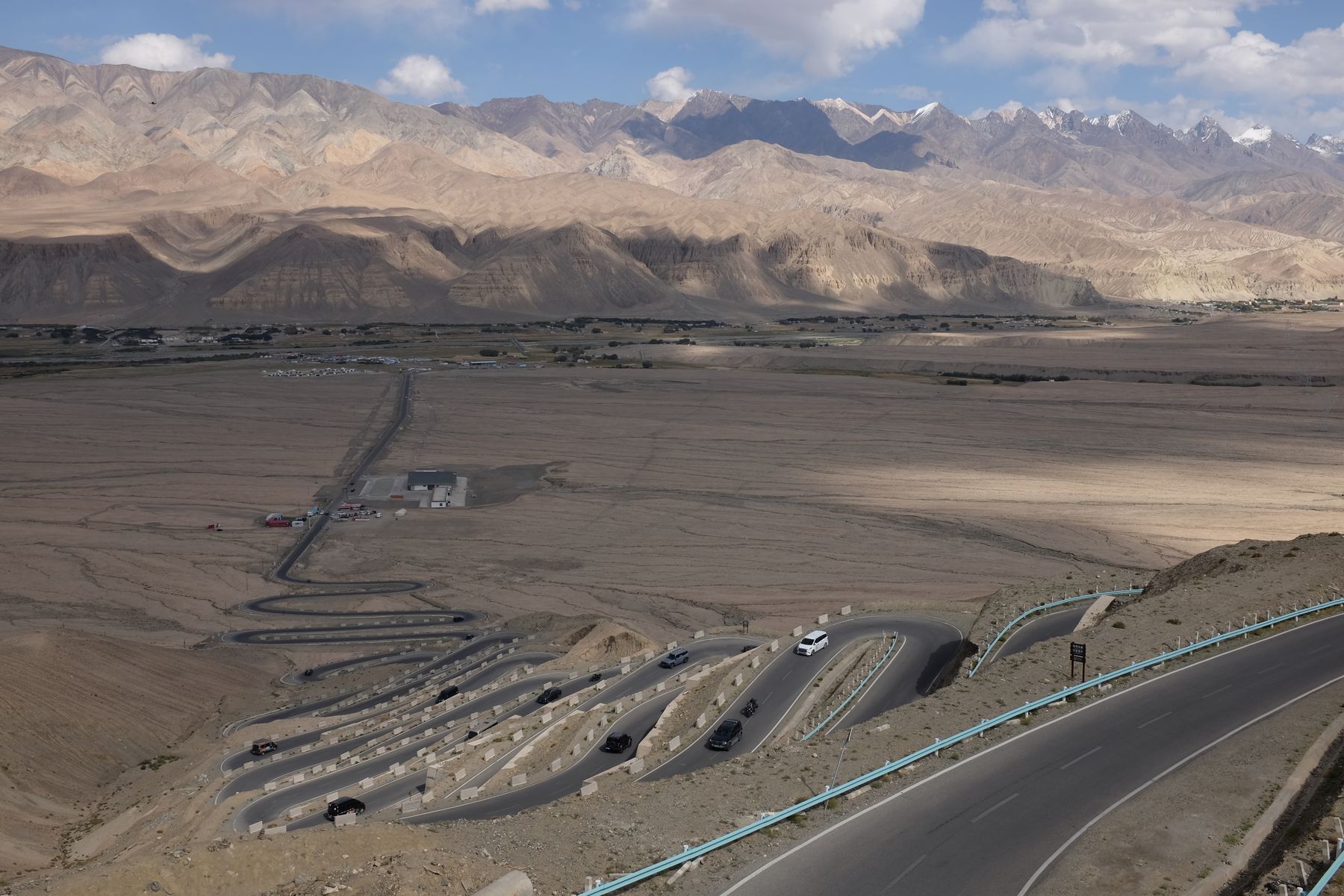
And that is true all the way up to PanLong Road (盤龍古道). This 30km road was a poverty-alleviation road (I translate that to mean a road to easily shuttle supplies to hard-to-reach areas). It was purely functional, but has become a must-see site while out in Tashkurgan.
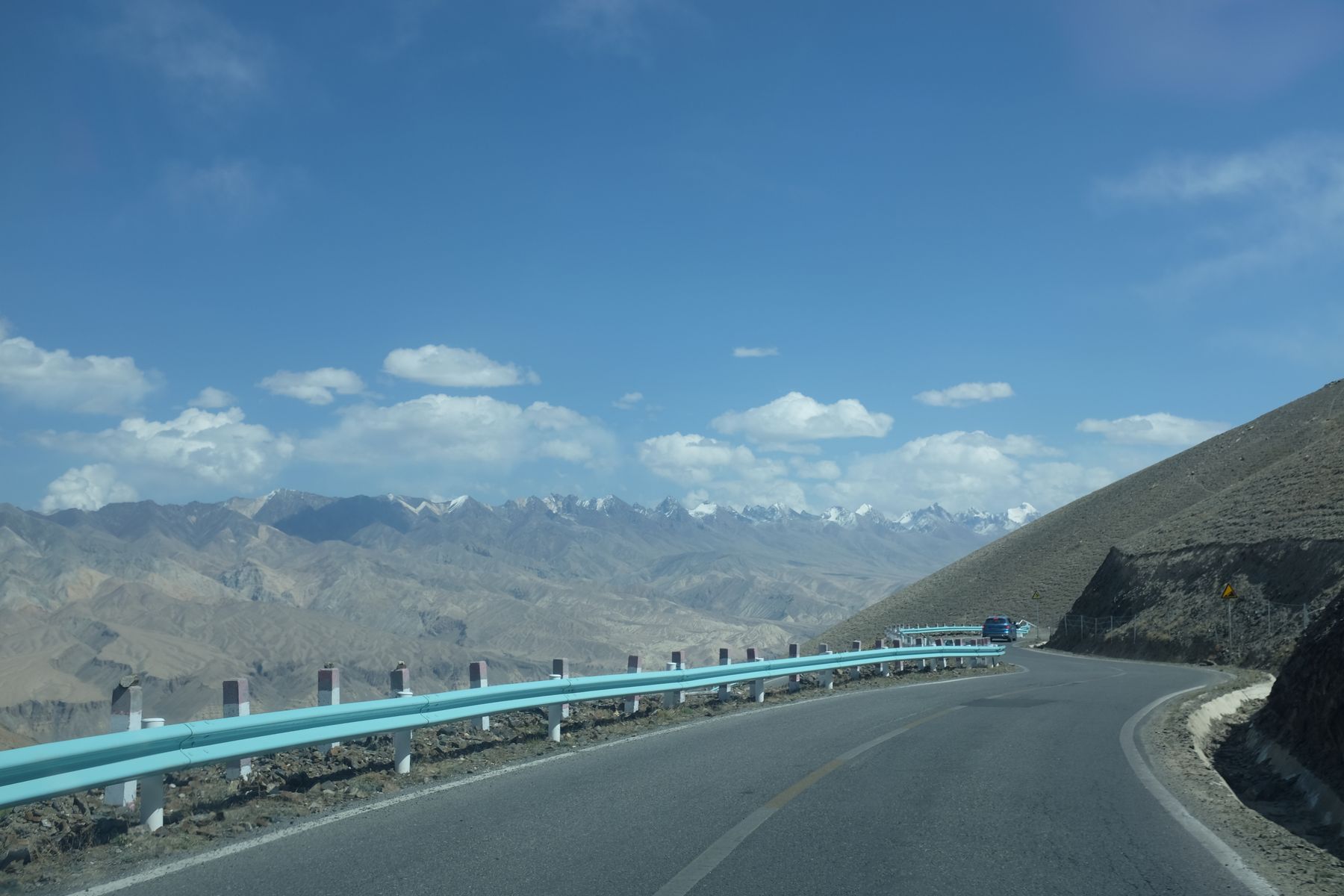
Once you get to the apex, that’s where the real views begin. First are the immense, snow-capped mountains that have featured so much in the trip thus far.
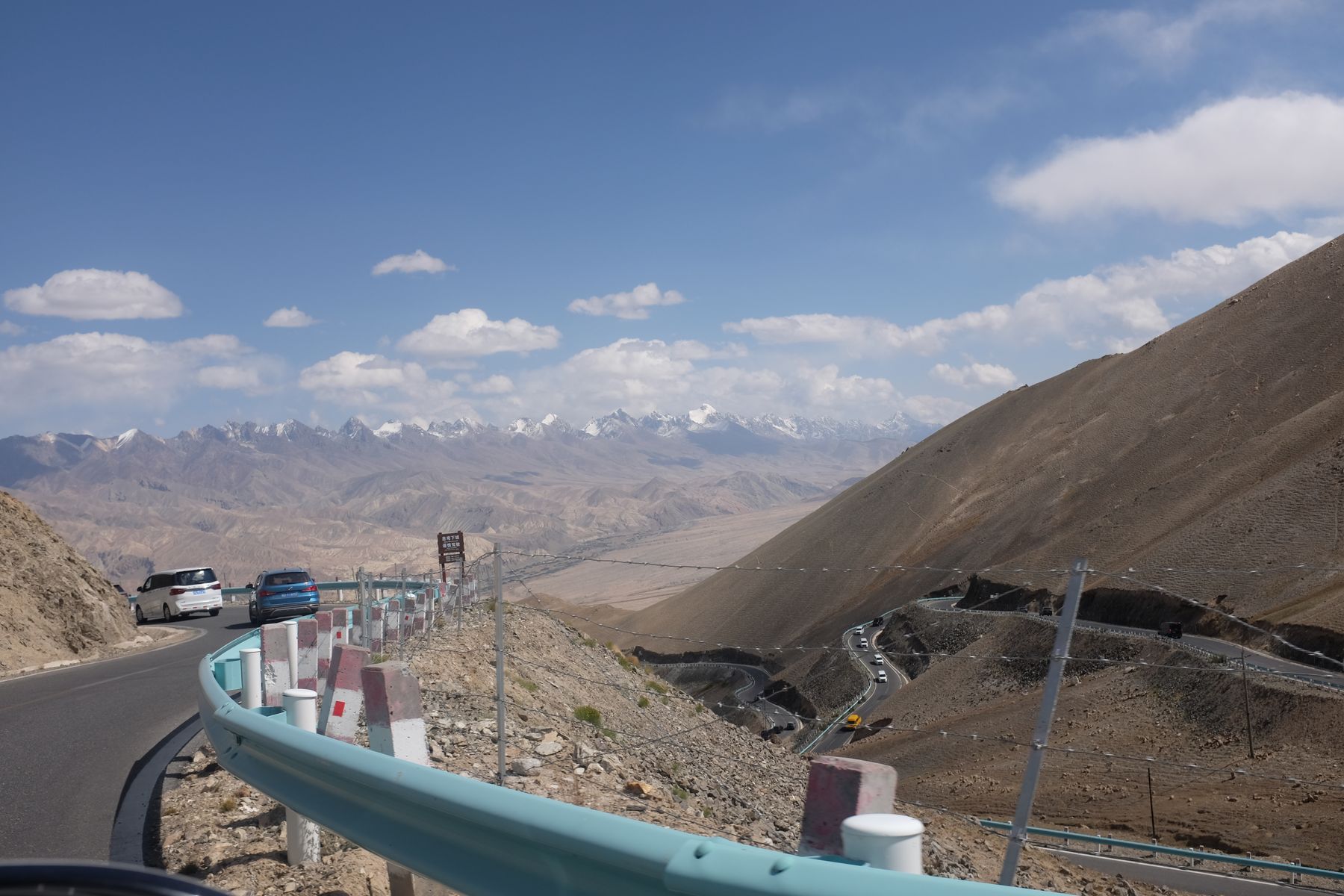
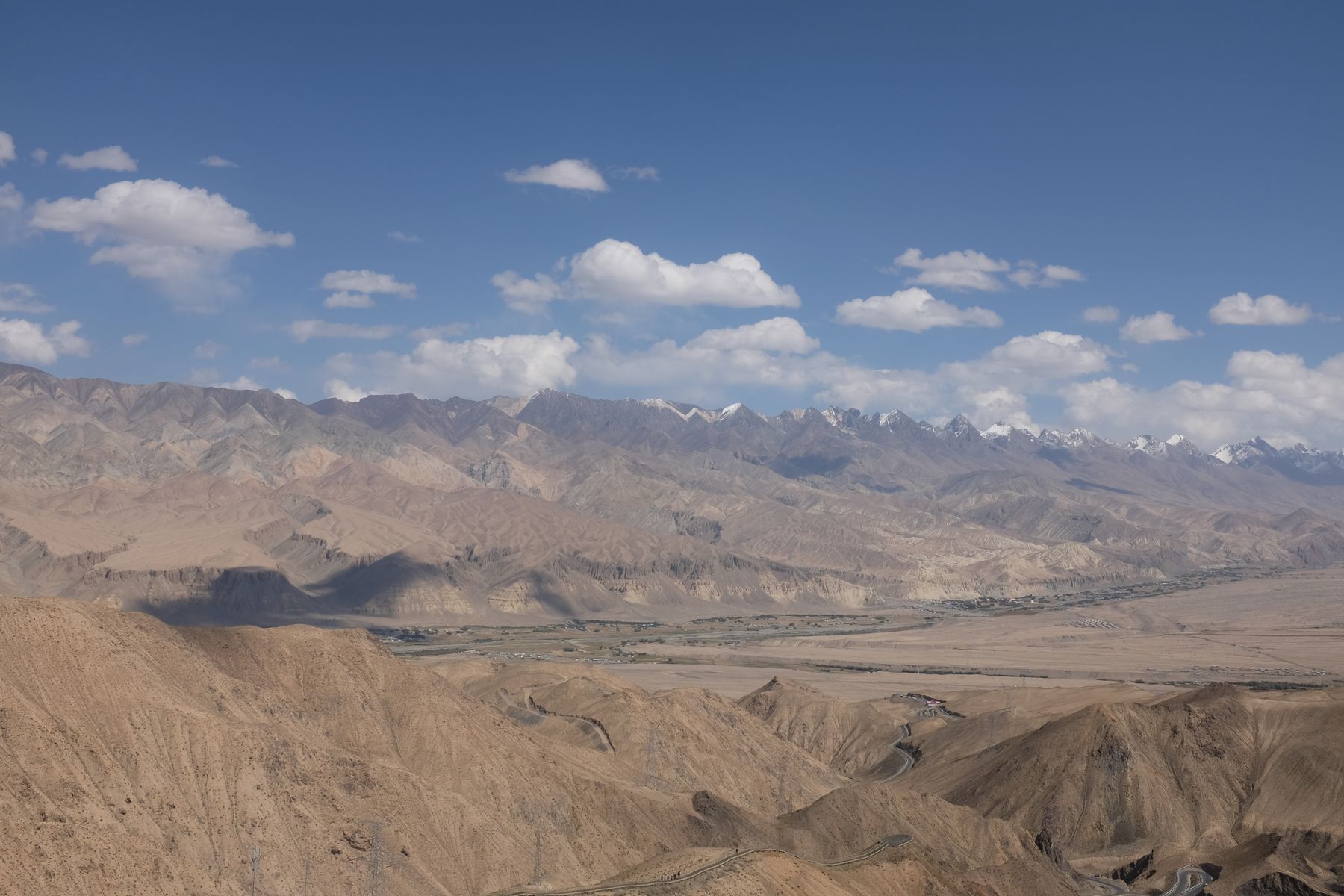
And then you hit the main spectacle: a view of the entirety of the rest of the road all the way to the end.
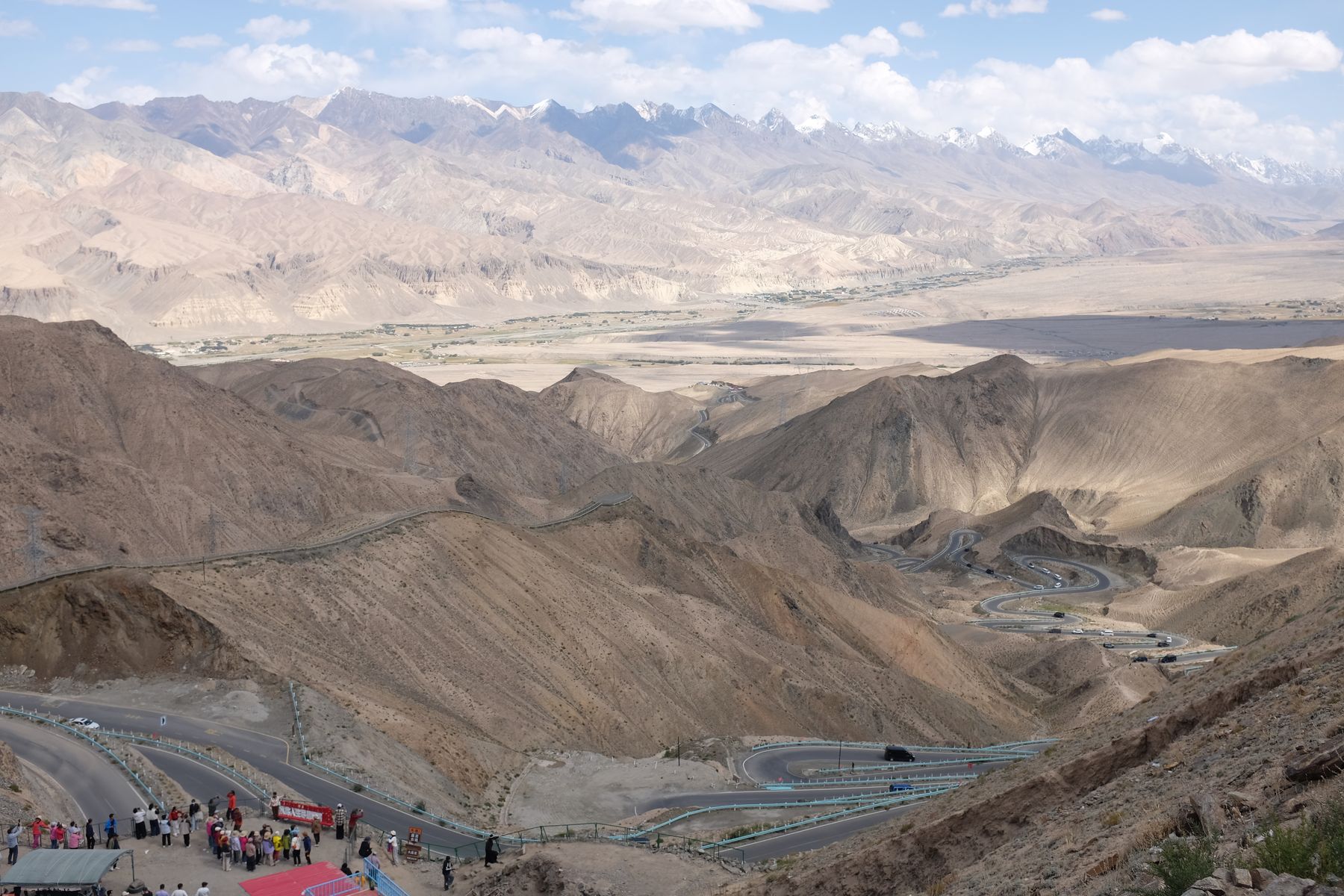
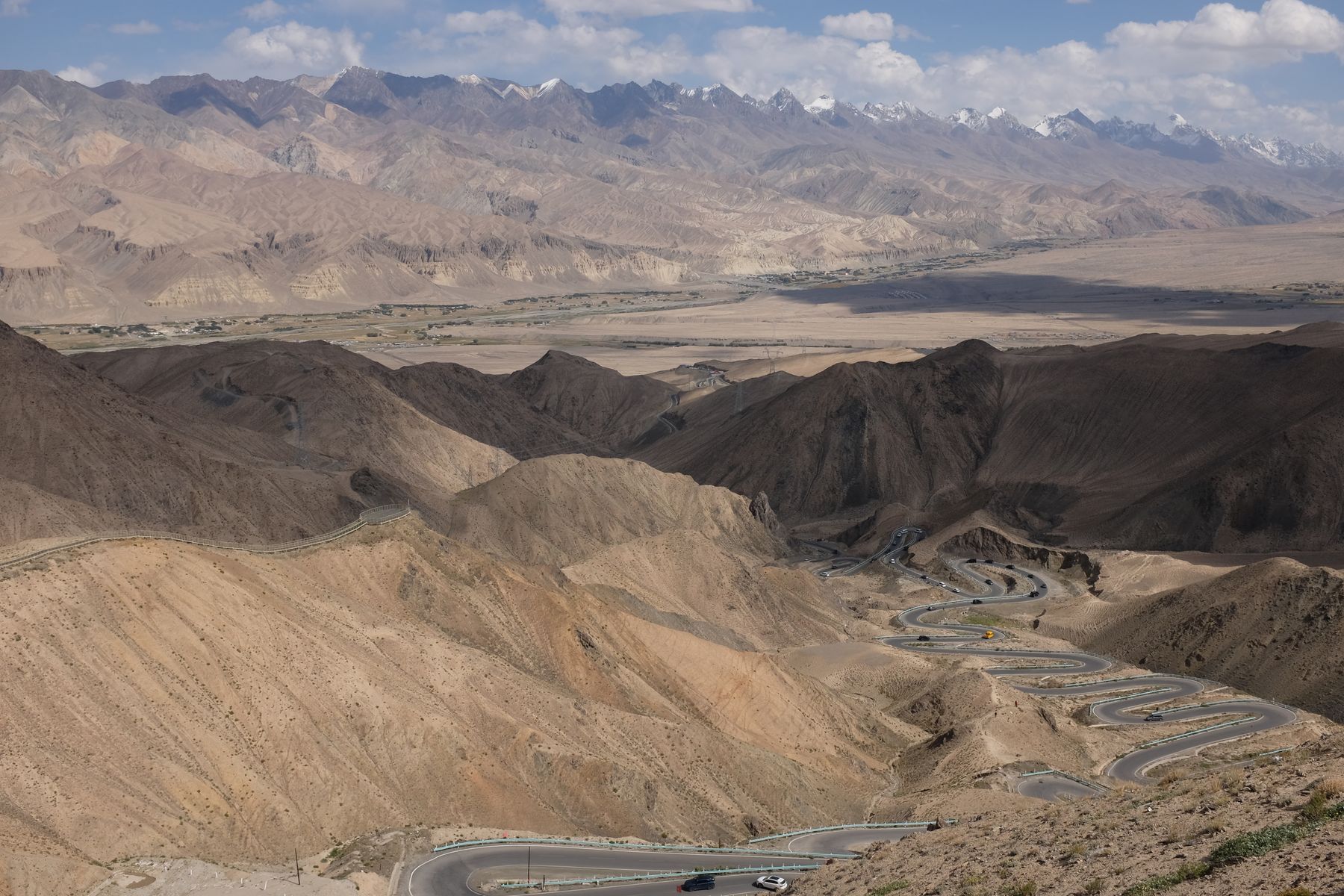
There’s even a small, baby PanLong Road second section halfway through the mountain before you hit the very end
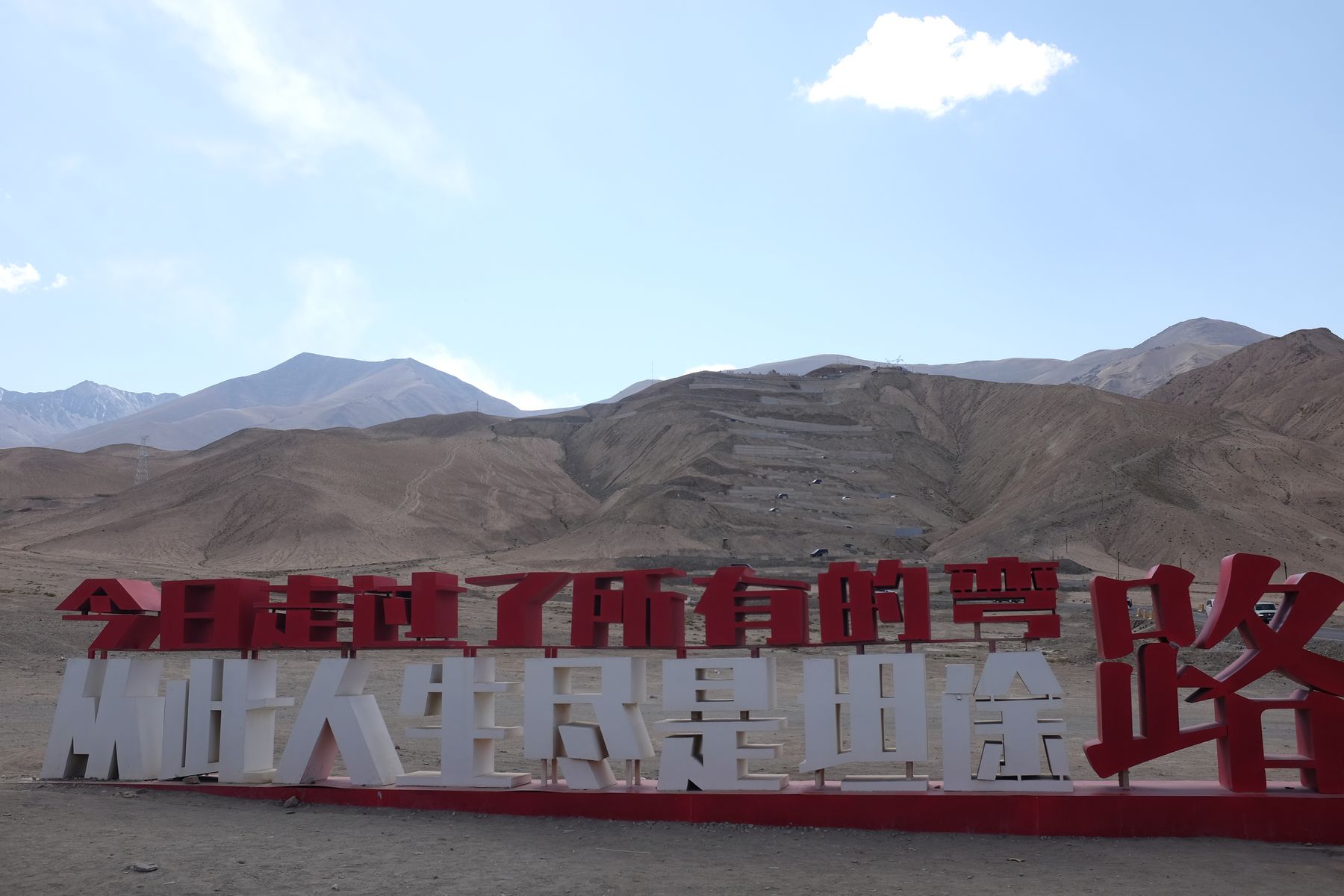
My favourite part, which is cheesy, is when you get to the end. The Chinese love a large, block-letter sign erected for picture-taking purposes. This one reads: “Today you traversed across all of the winding roads, from here, it’s all smooth sailing”. As in, the trials and tribulations of today point to a more seamless tomorrow. It rhymes in Chinese, and sounds better; the sign is still a bit of an eyesore.
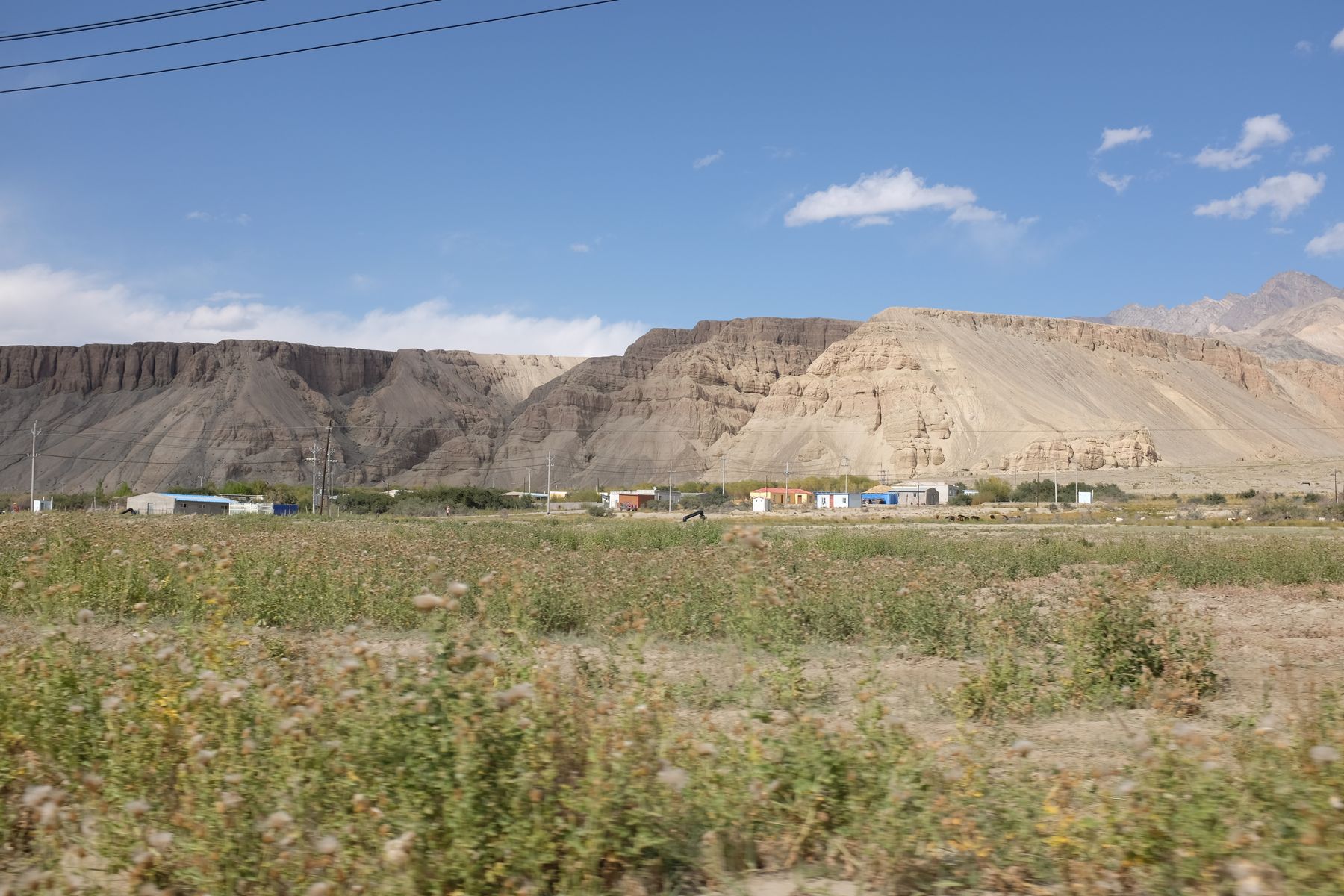
Another great part of moving through the mountains is the sporadic greenery you see. The ones today happened to be yellow plains of grass.
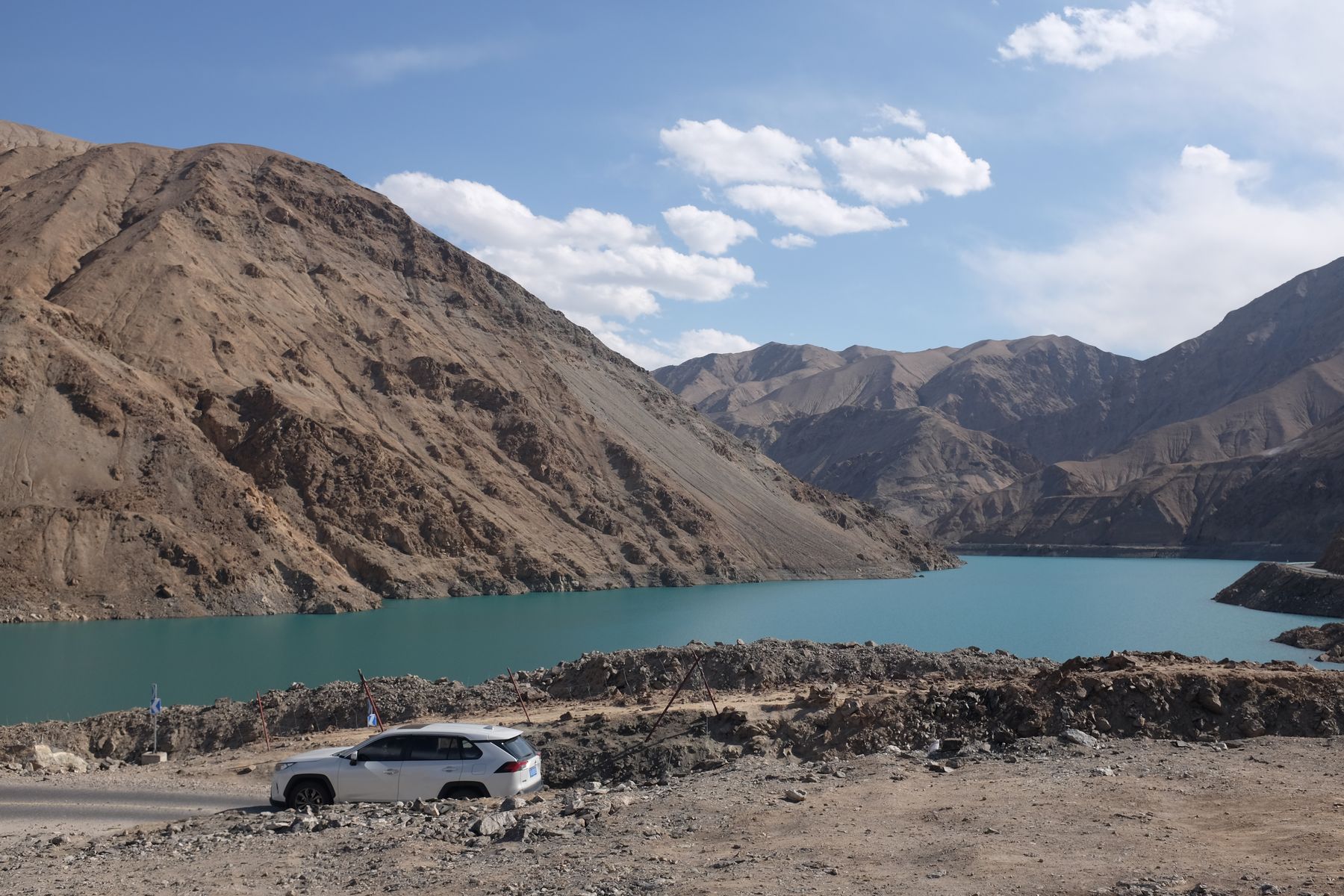
The next stop is another lake, called Bandier Lake (班迪爾藍湖), which is more blue in hue than Baisha Lake yesterday and Karakol from earlier this morning. It’s still just a lake, but it’s a nice last stop before heading back towards Tashkurgan.
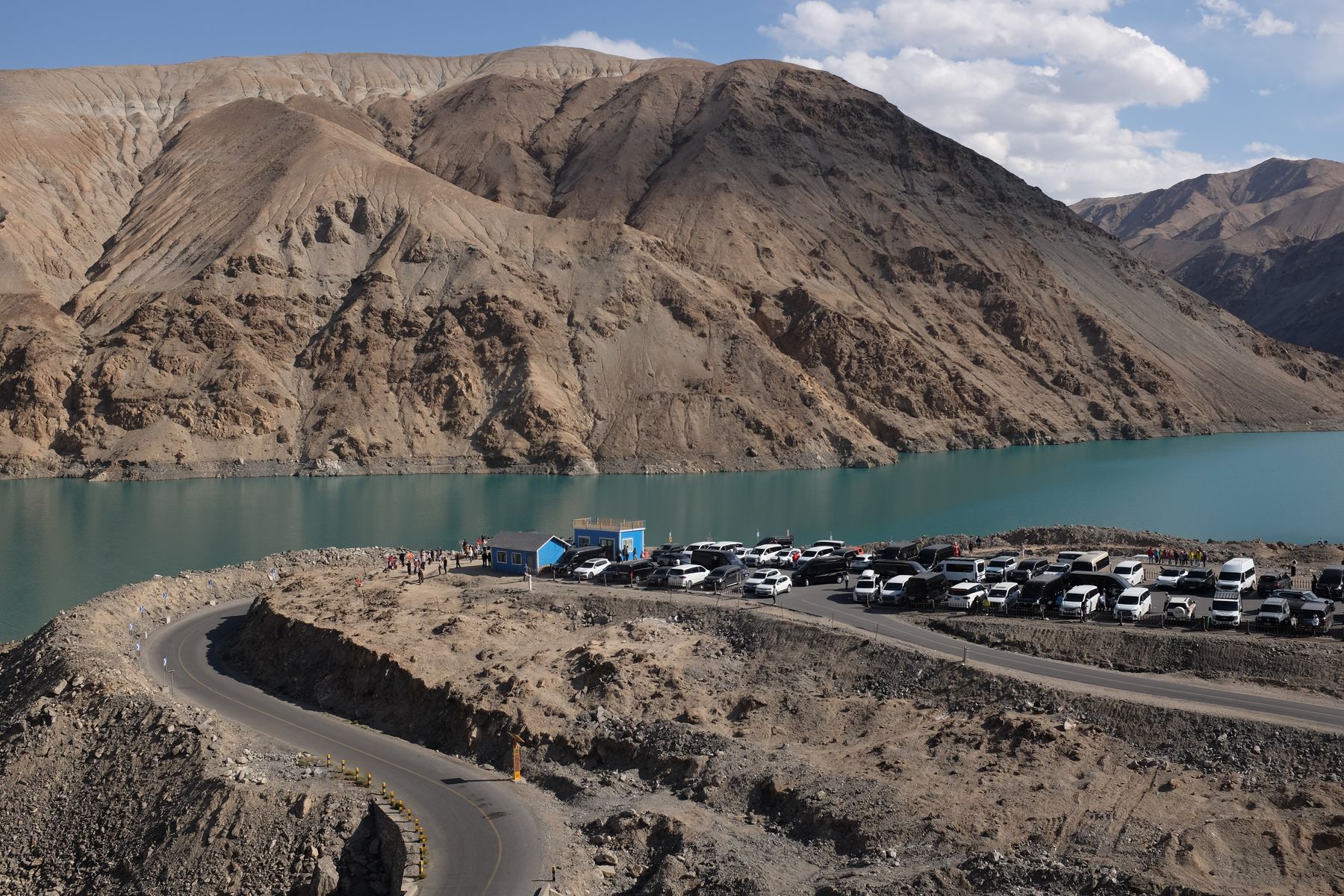
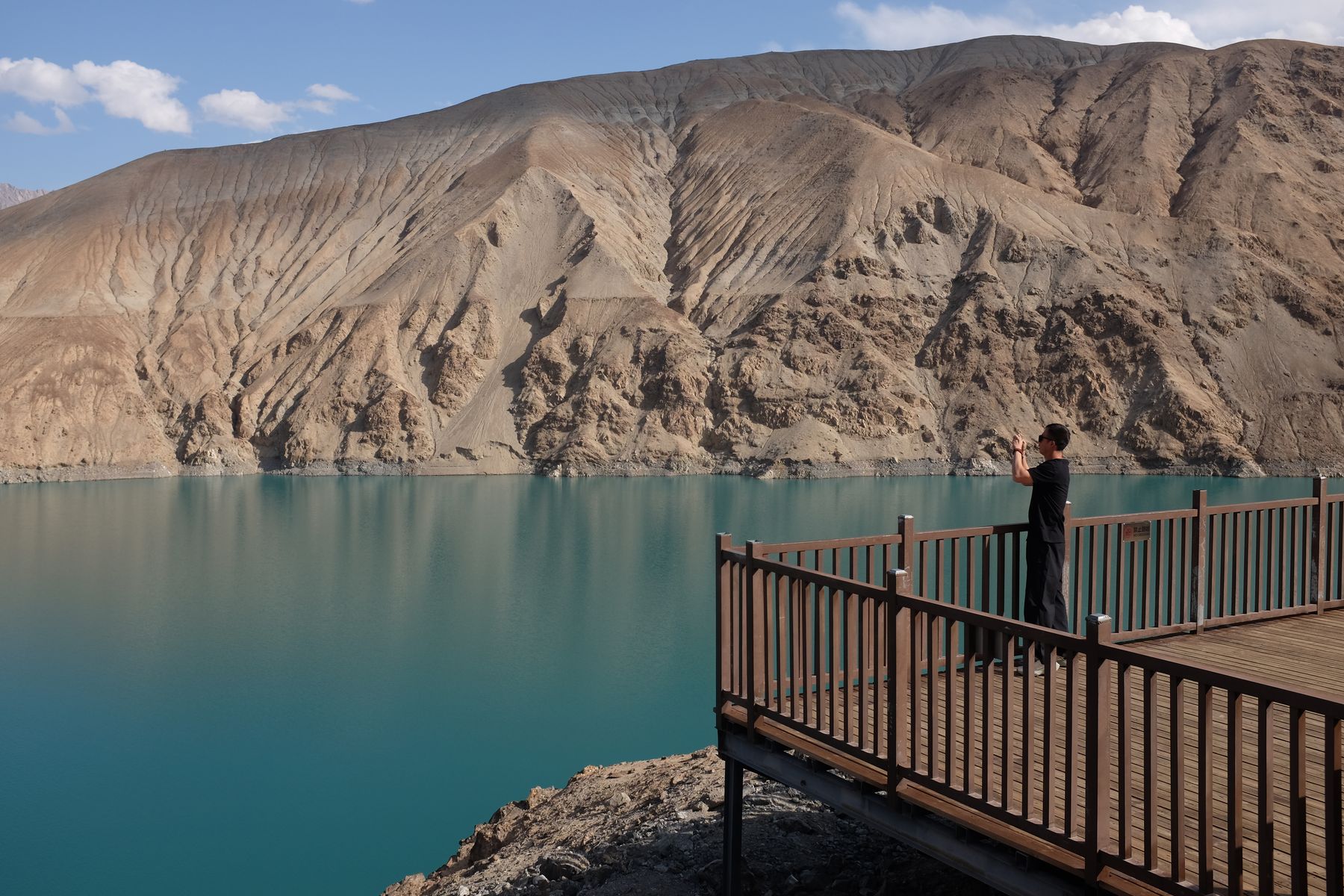
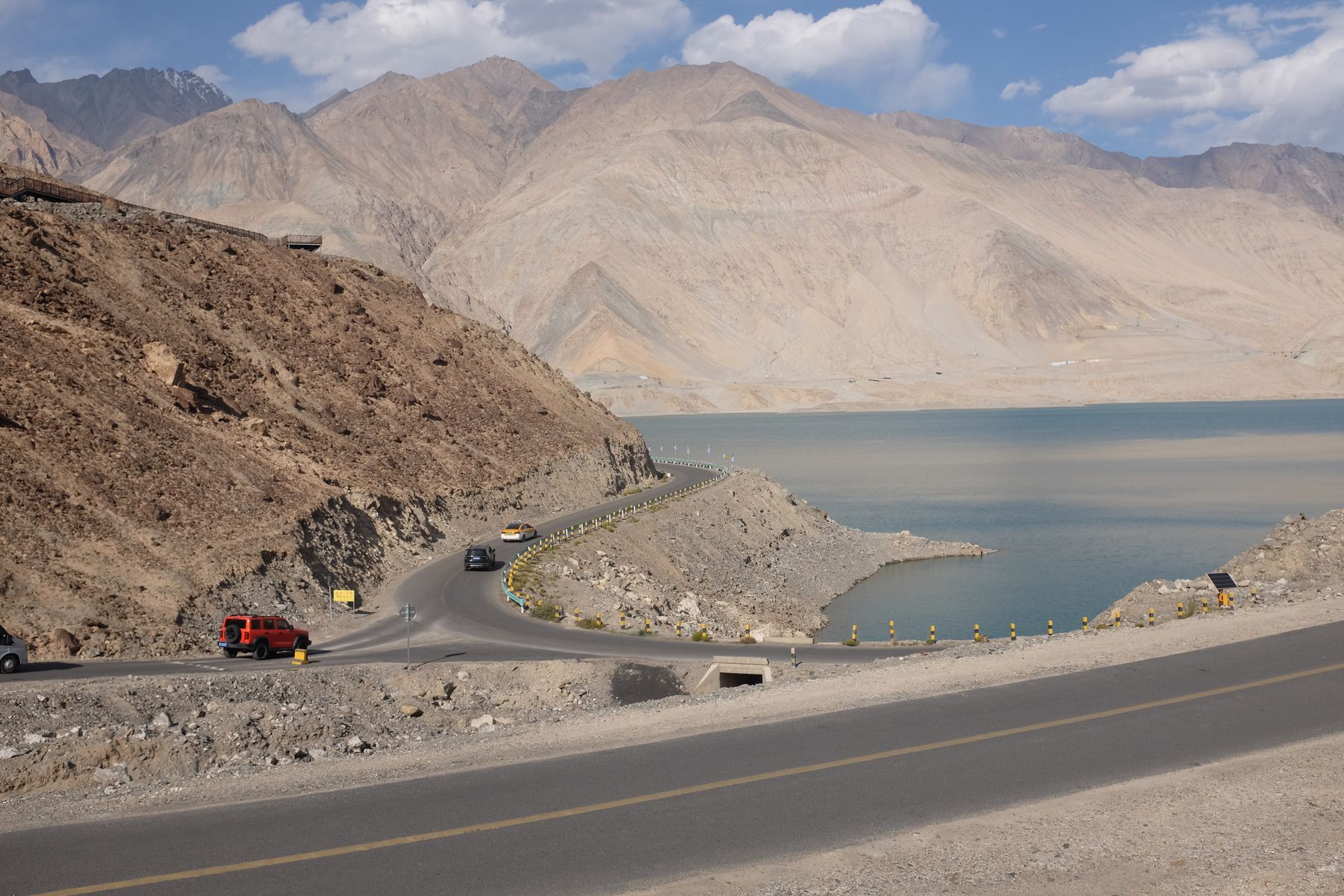
On the way back to Tashkurgan, we pass by Pamir’s Eye. I’m not sure what makes this so much more special than the other rock formations. It feels like someone designated it as a special site and it became one.
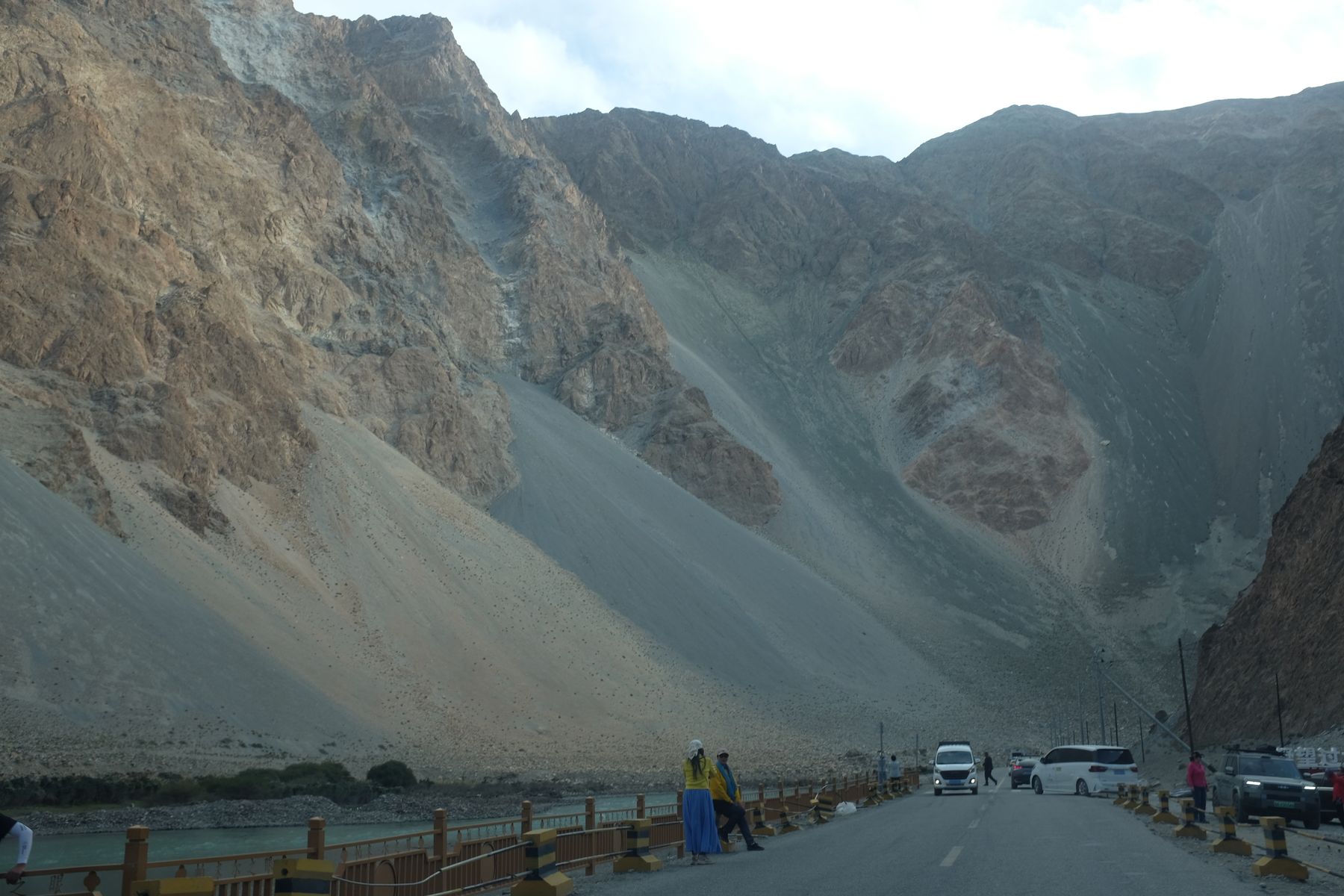
We end the night in Tashkurgan, in the small, gridded town. I take several strolls around and there are more restaurants than anything else. There are several gaming halls with pool tables filled with young kids. All the signs are in Chinese. It looks more ethnic here, as expected: Turkic looking people with darker skin, Central Asian, and Han Chinese. All seem to coexist with little interaction.