Penang, Malaysia
Sites: Cecil Market, Chiu/Tan/Lee Jetty, Penang Hill, Peranakan Museum, Sun Yat Sen House
Stay: Museum Hotel, George Town
BUDGET
2025-08-11
What a difference ten years make. I came here ten years ago, fresh to Asia. And coming back, I have a different perspective.
For one, I have stronger sense of what feels like curation versus natural Chinese culture. Some coffeeshops and architecture in Penang had an effortless take on it, whereas some other institutions had only disguised themselves in it. Some examples below.
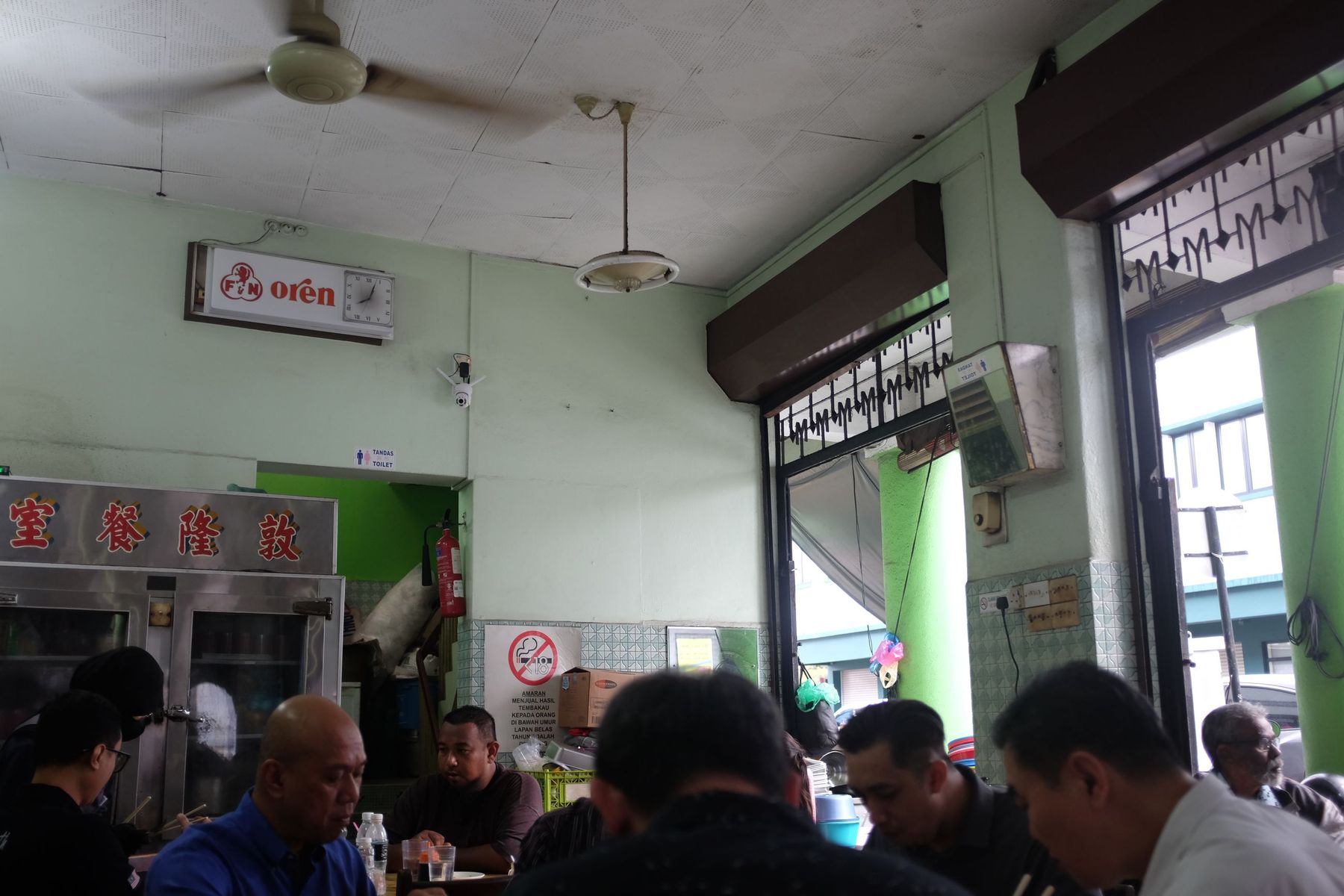
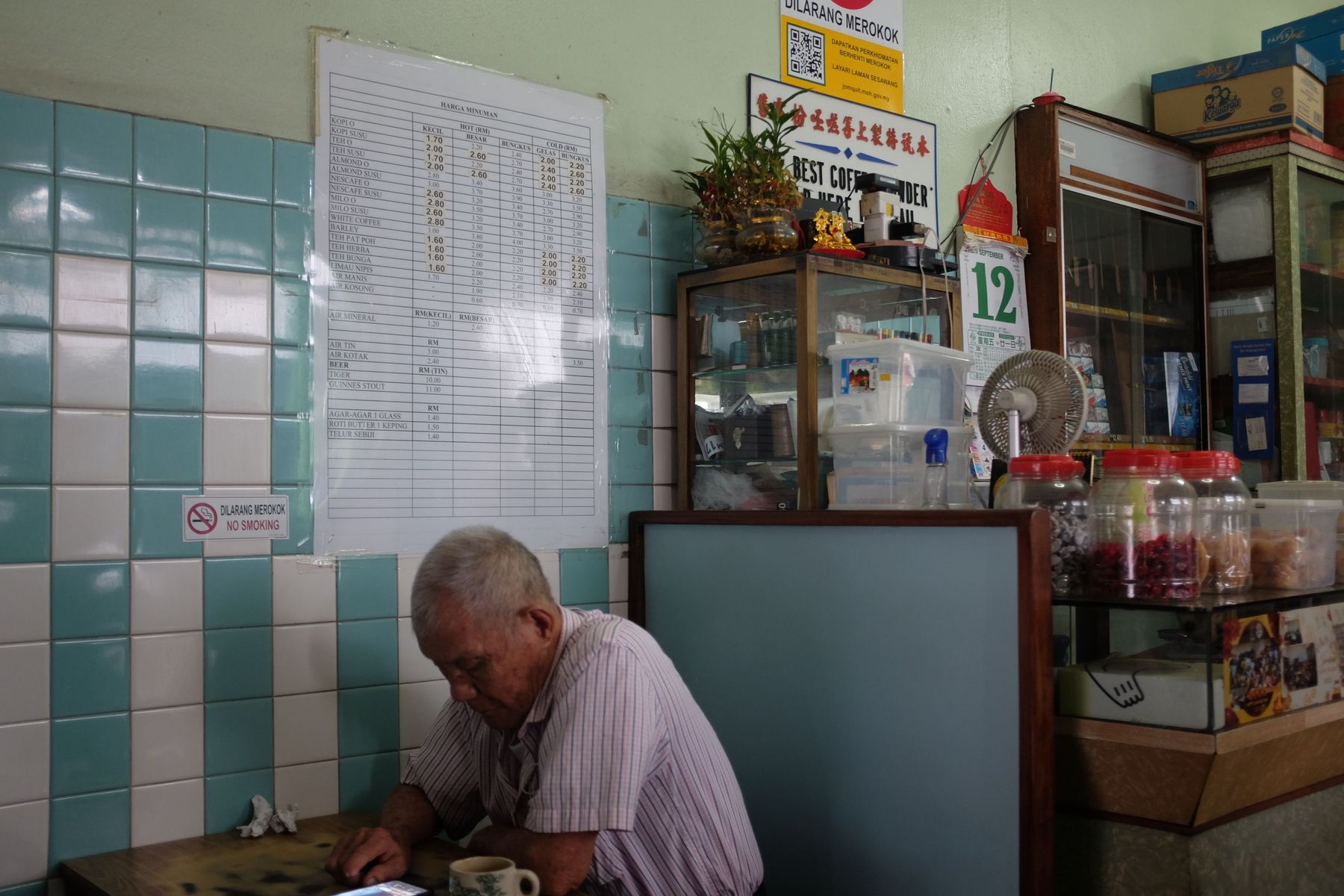
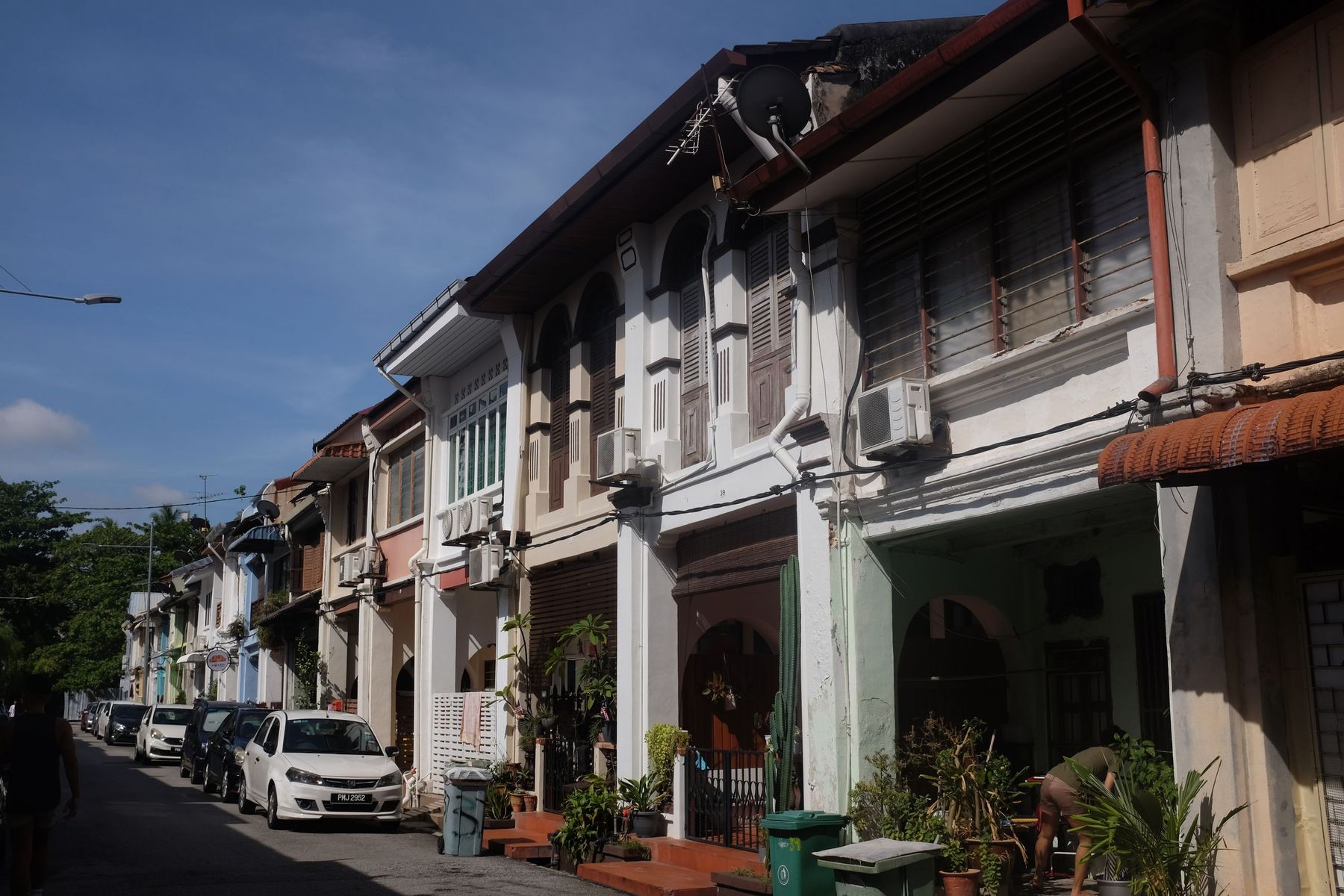
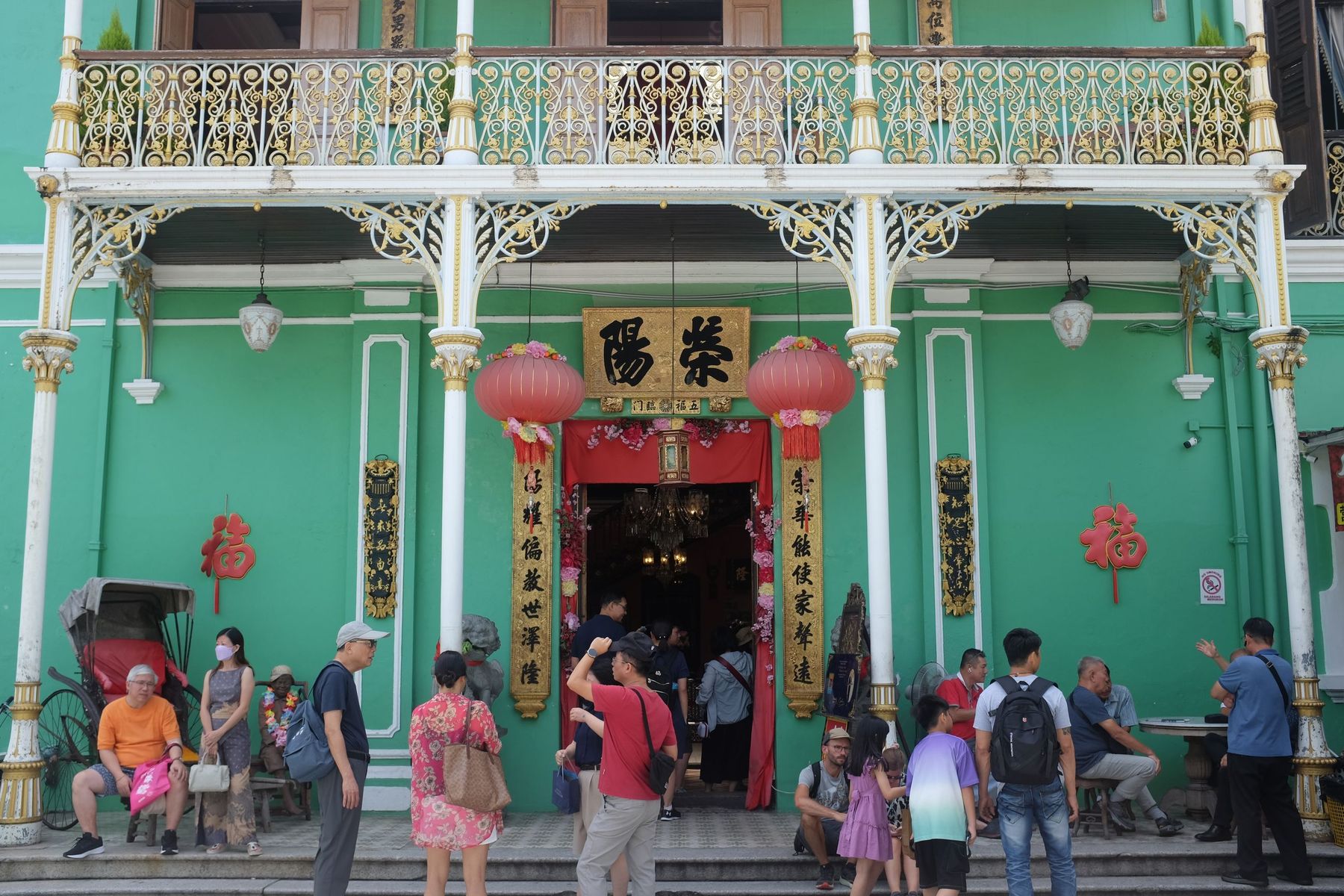
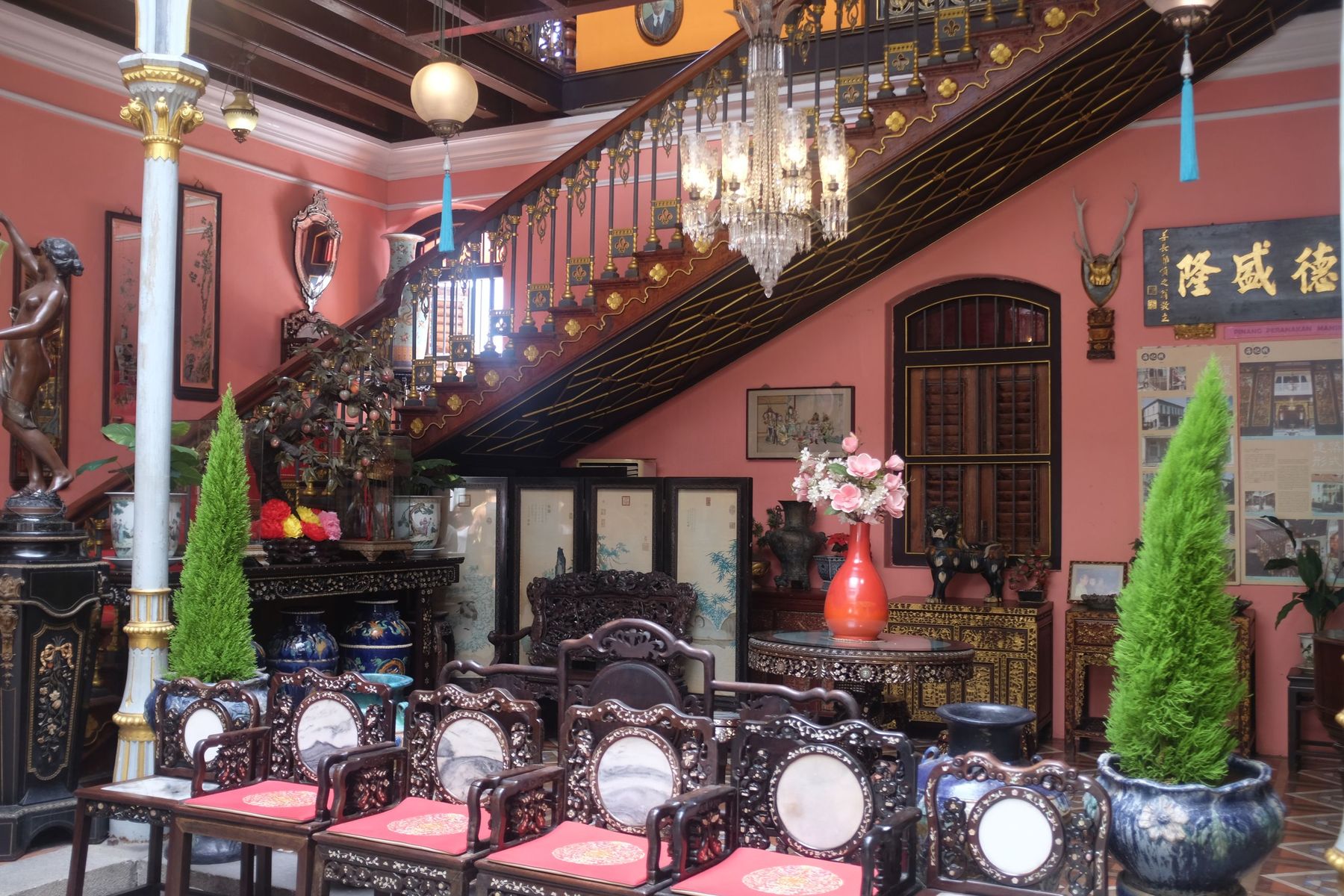
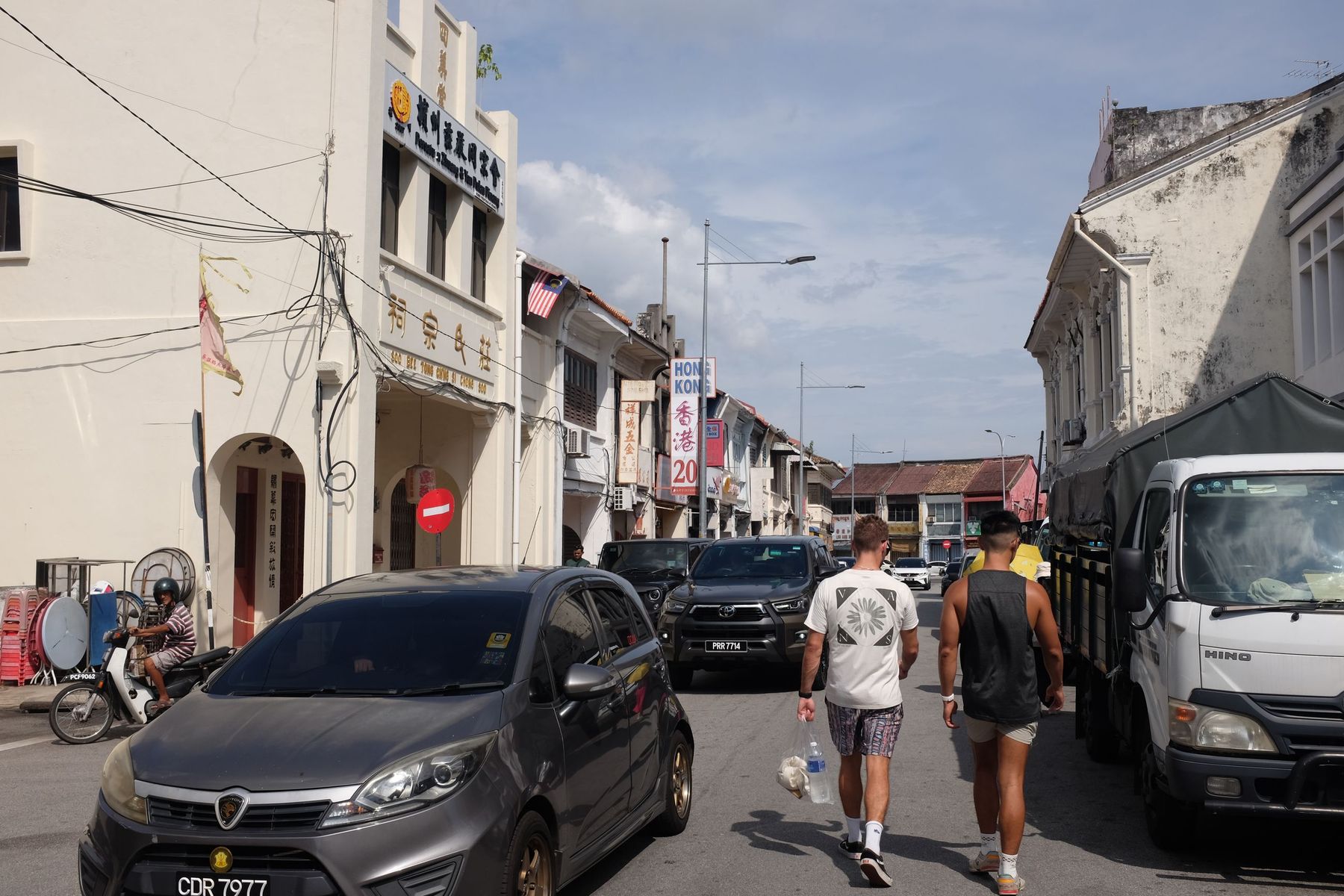
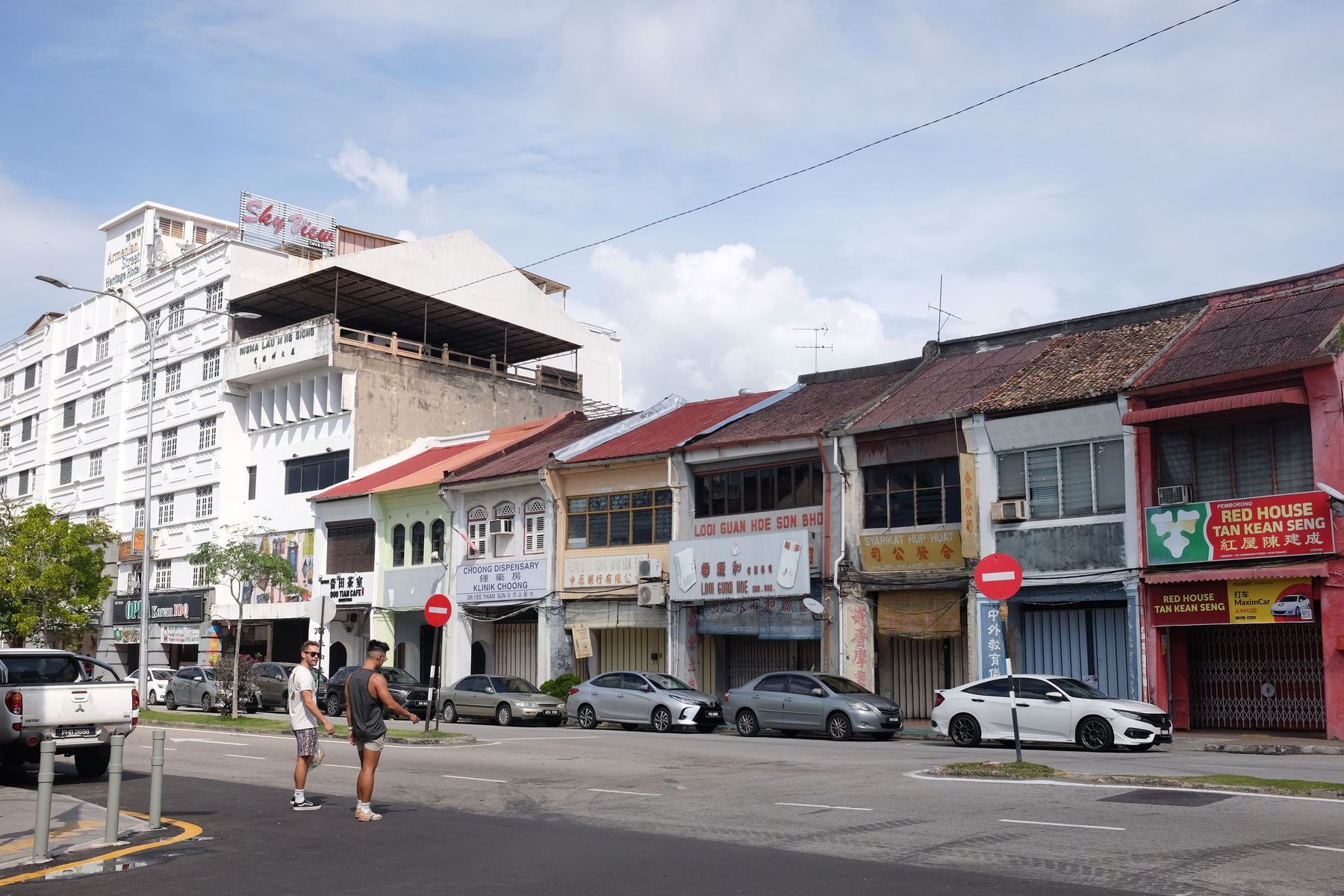
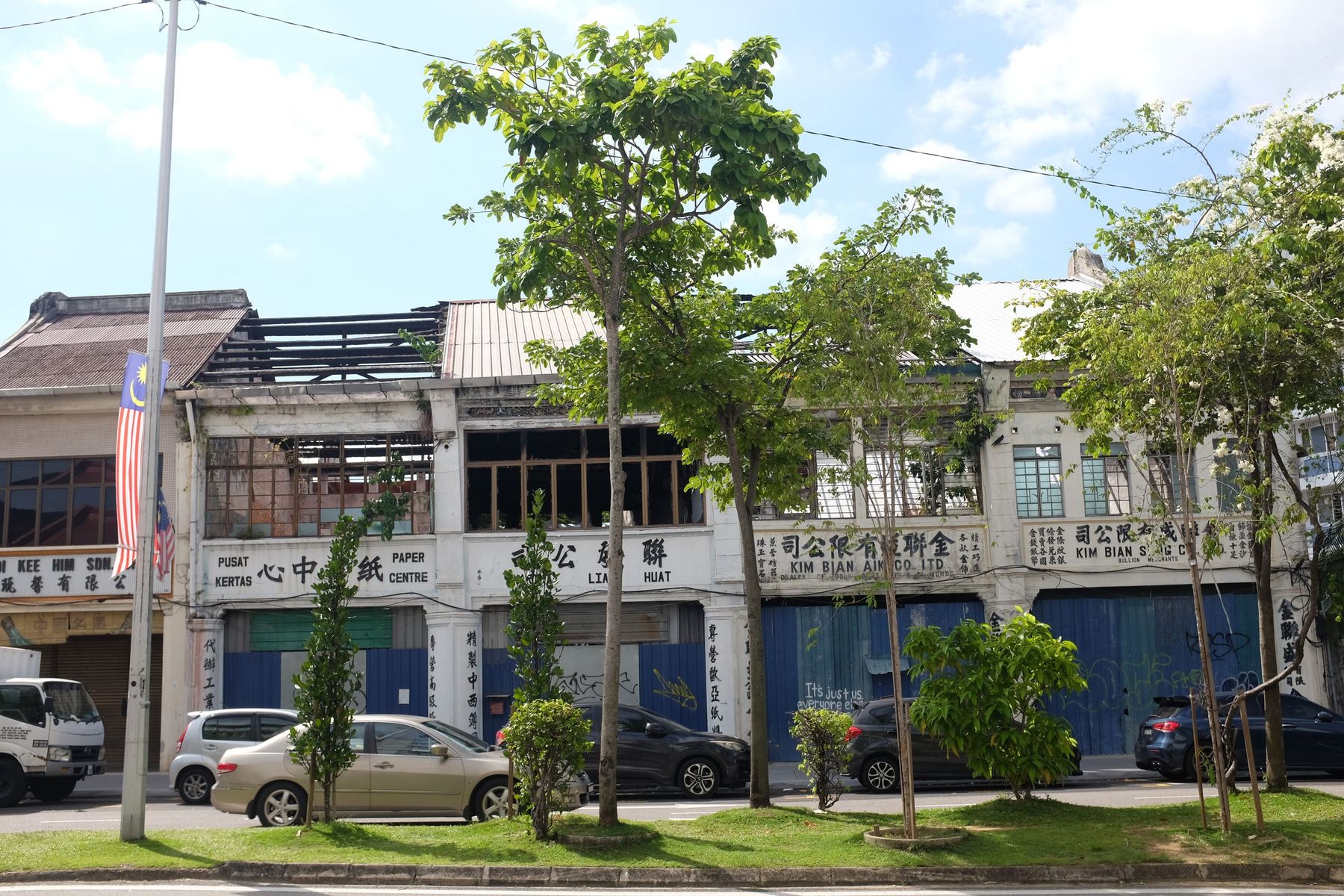
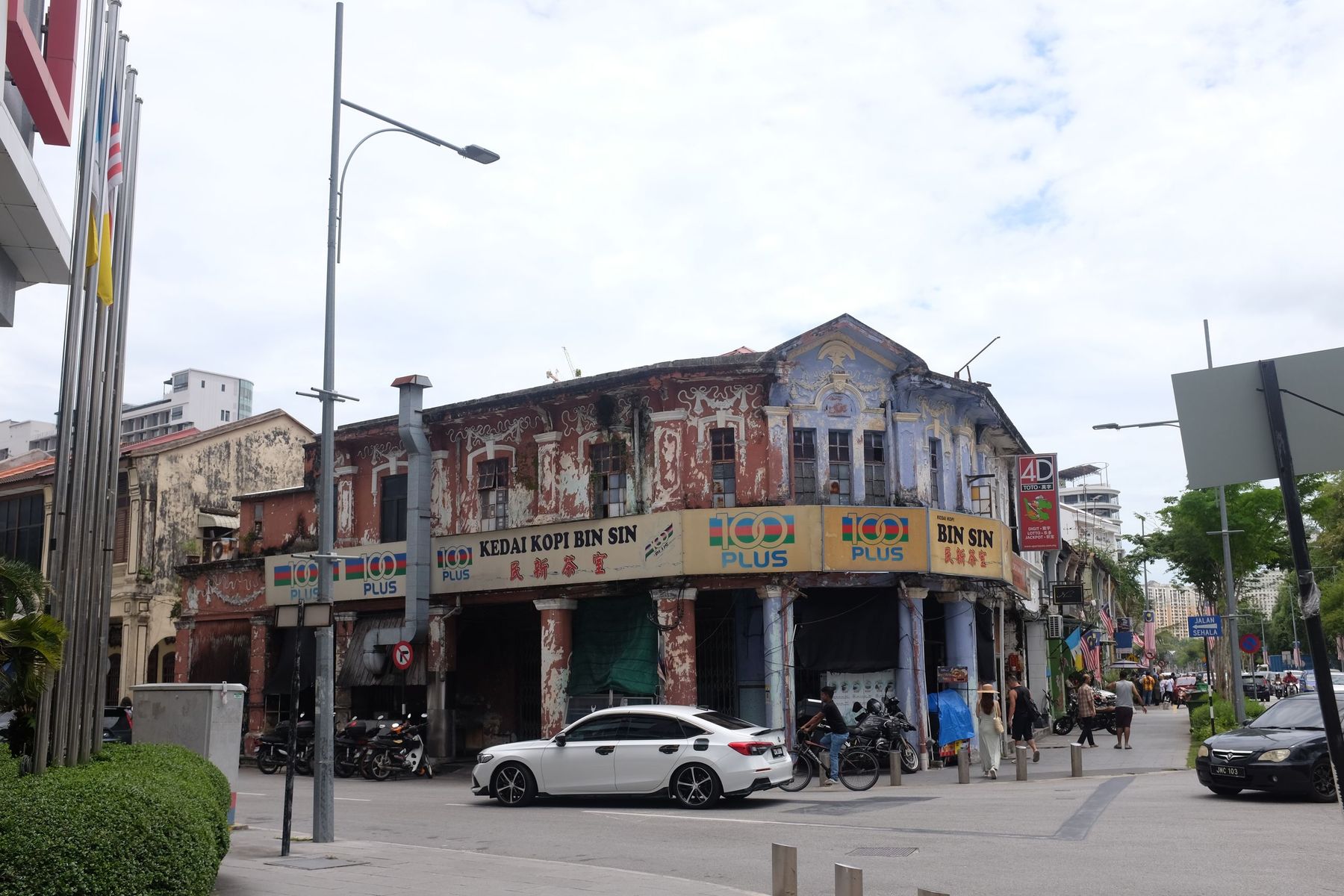
Last time we were here, all I remember was the beaches and shoreline. But this time, I noticed old Chinese culture more. The shophouse constructions have kept their own distinct structure and facade, each contrasting to their adjacent neighbour. Whether in appearance or signage, all are different. The corner buildings round their balconies and windows in a style similar to the Kowloon buildings of Hong Kong, but vertically lower. And the state of some buildings -- all run-down, or maybe, lived-in -- gives them signs of life. They're not pristine, nor should they be, lest they be like some Singaporean interpretations of a shophouse.
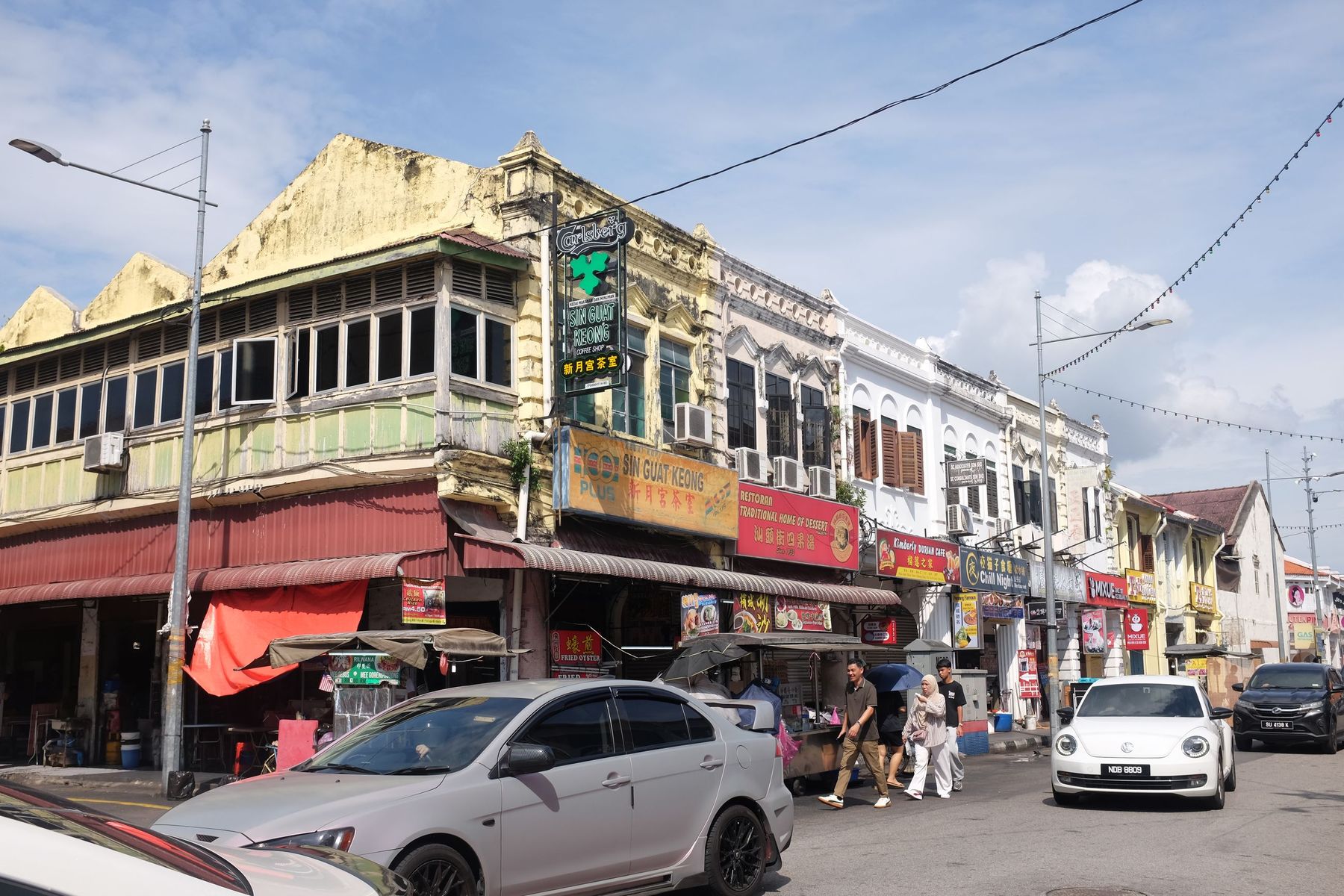
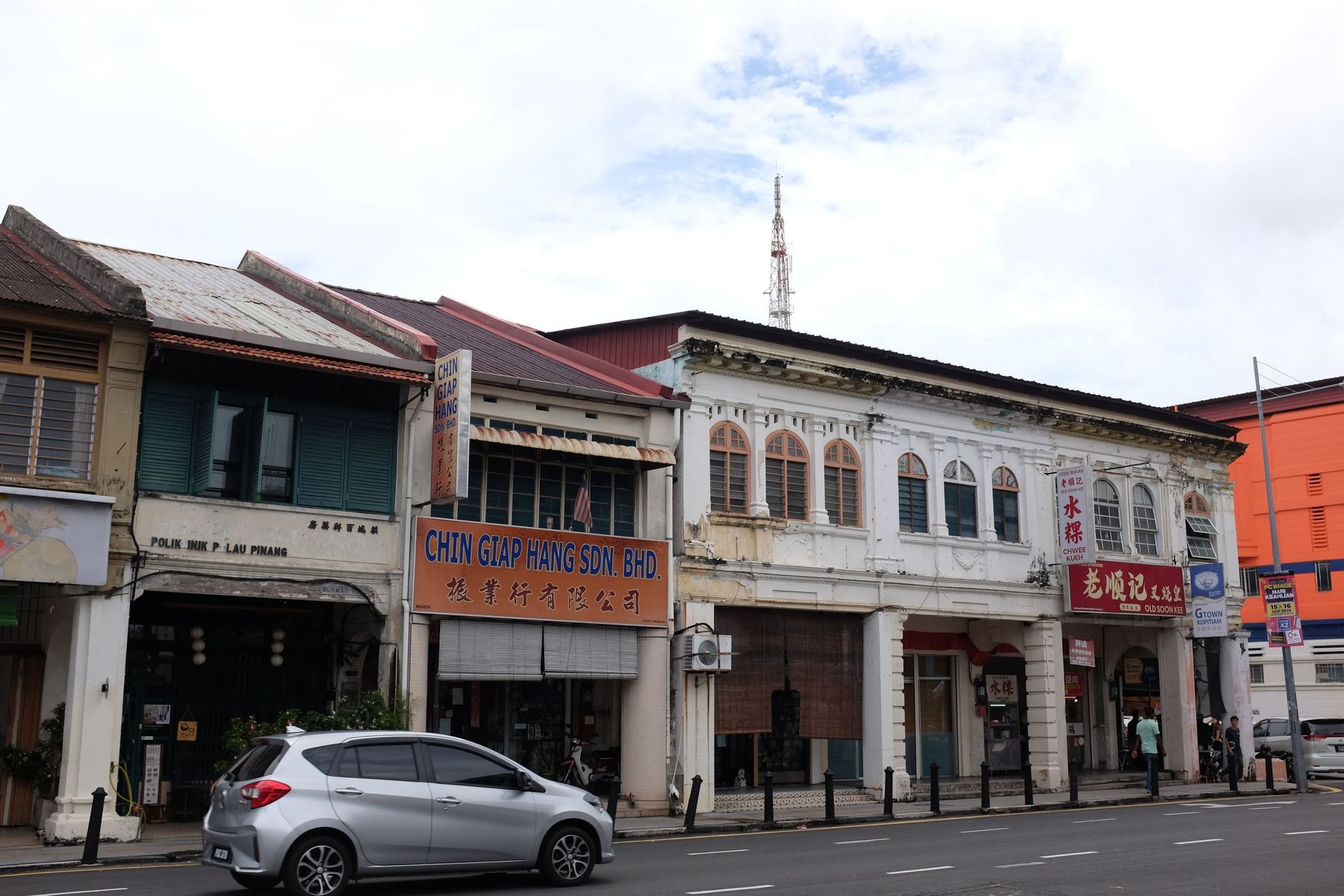
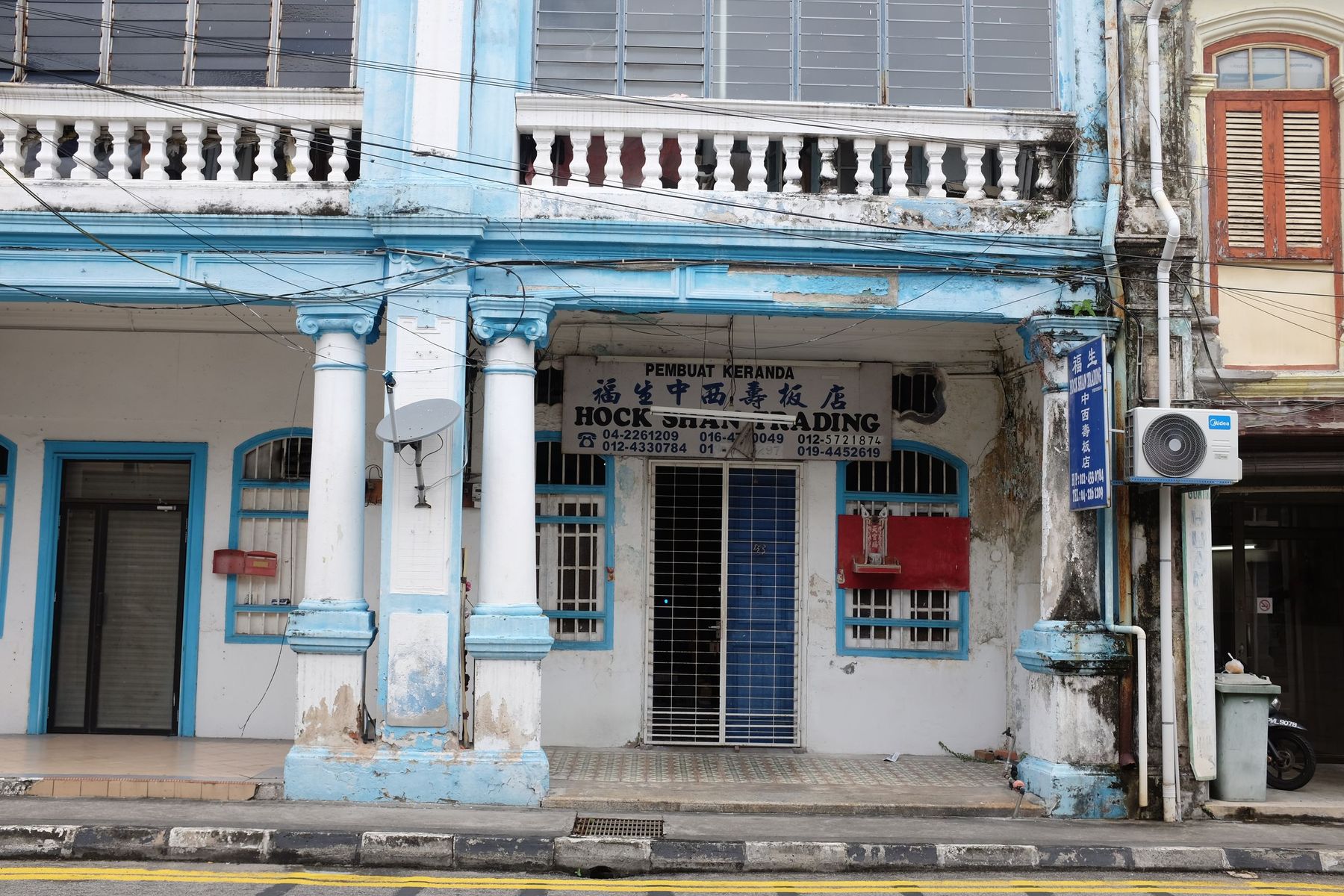
Buildings that were dilapidated stayed in place. Their presense anchors the town in its old Chinese imagination. Paired with the relatively wide roads, it's not hard for one to imagine a pre-automobile past where carriages would fill these streets.
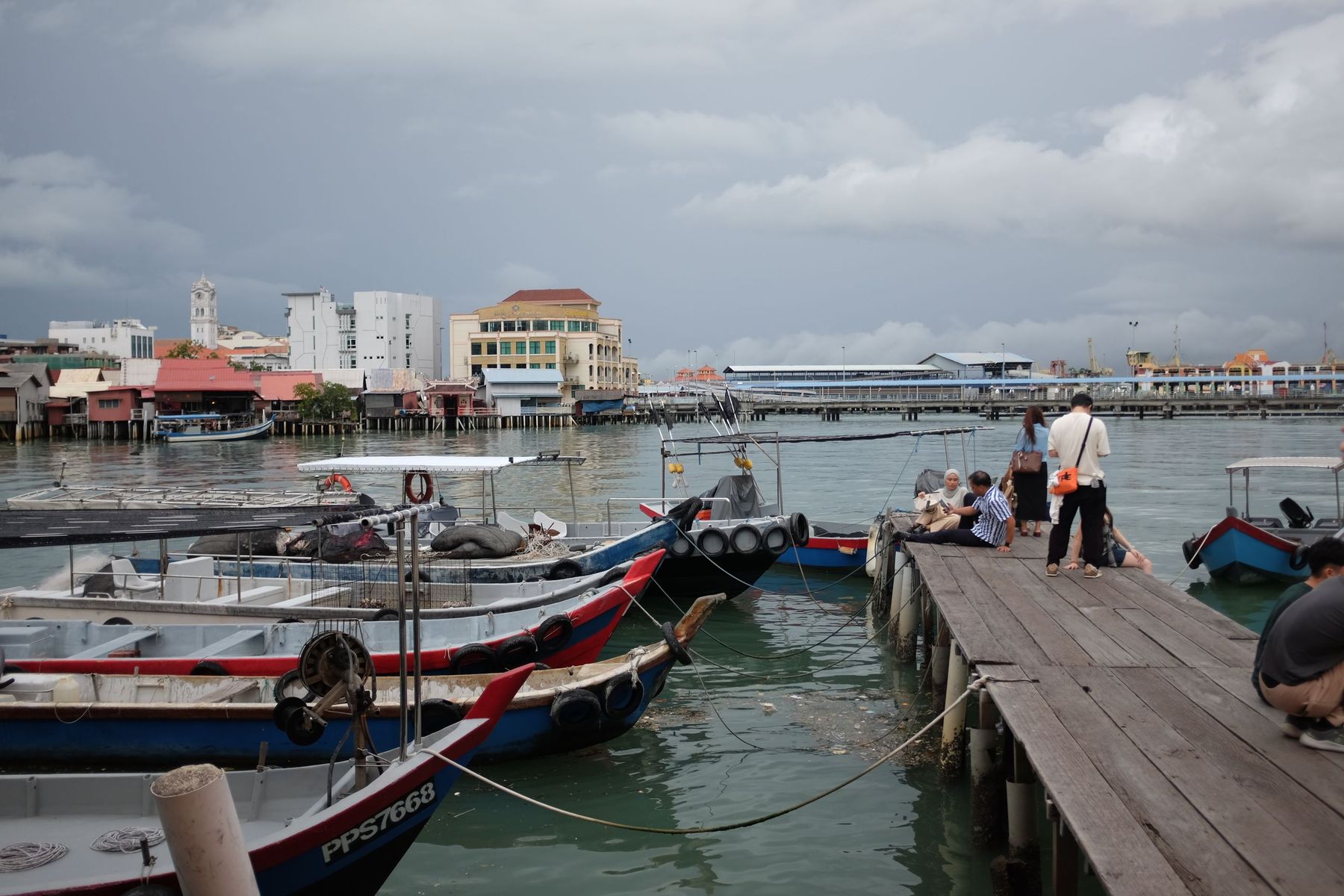
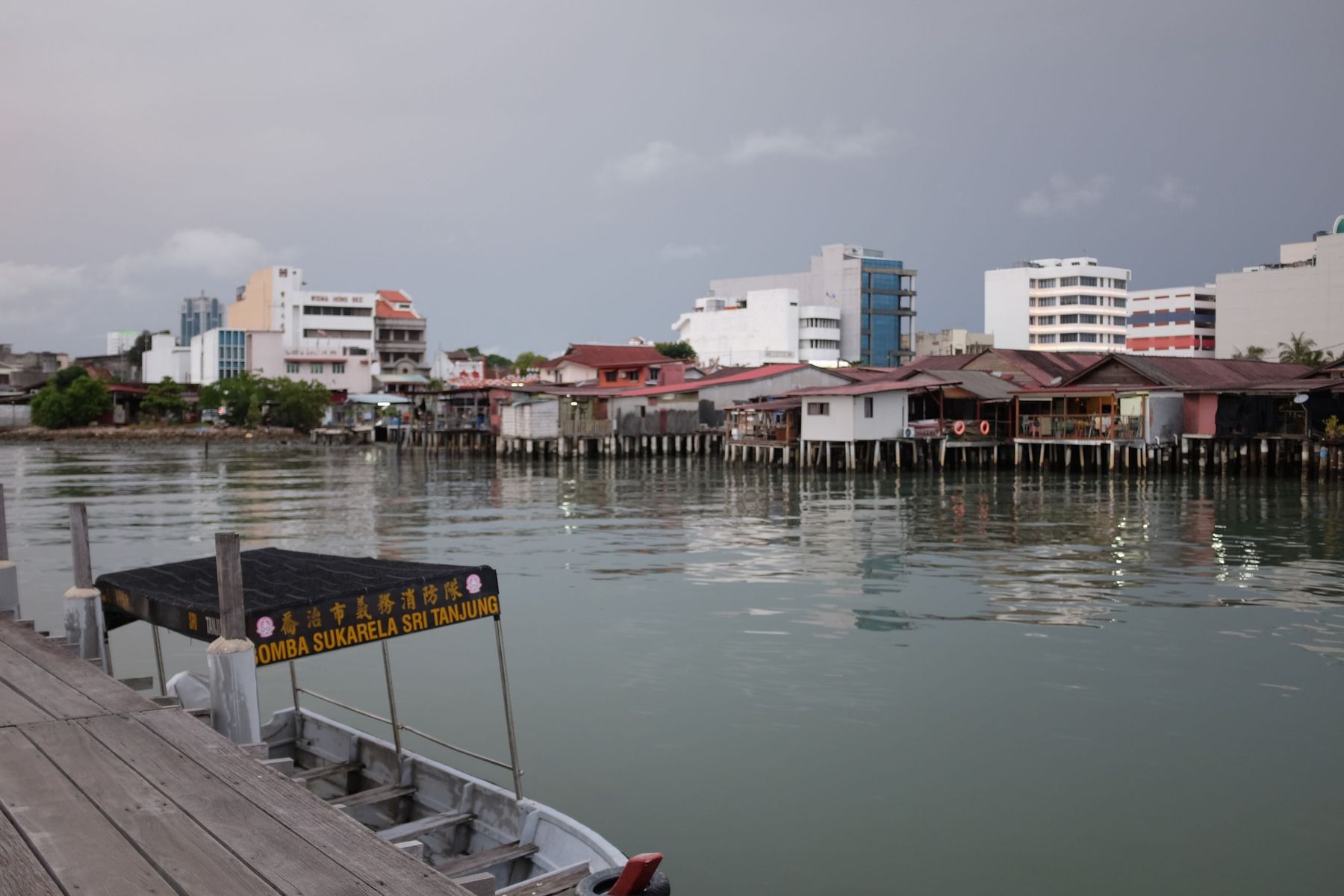
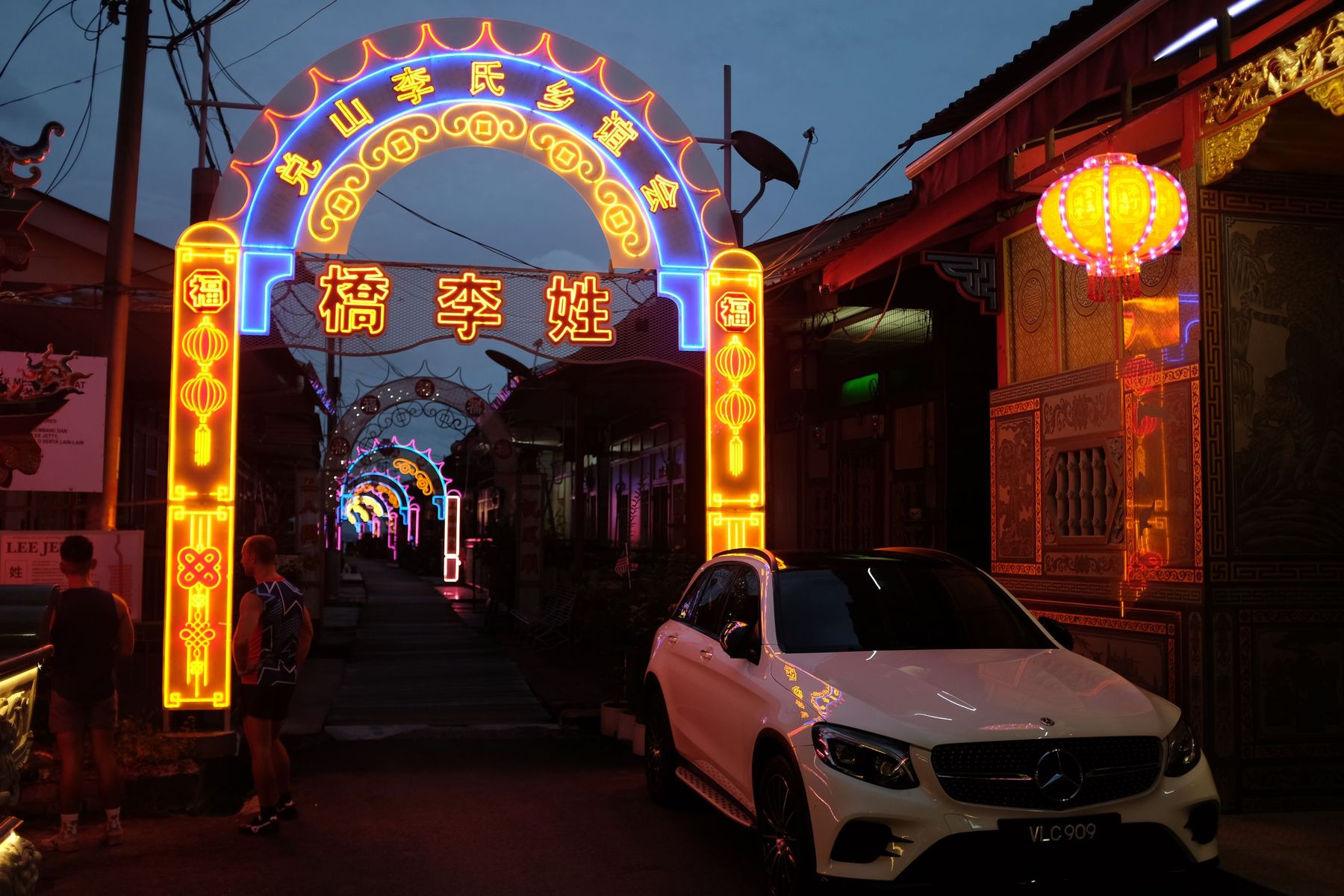
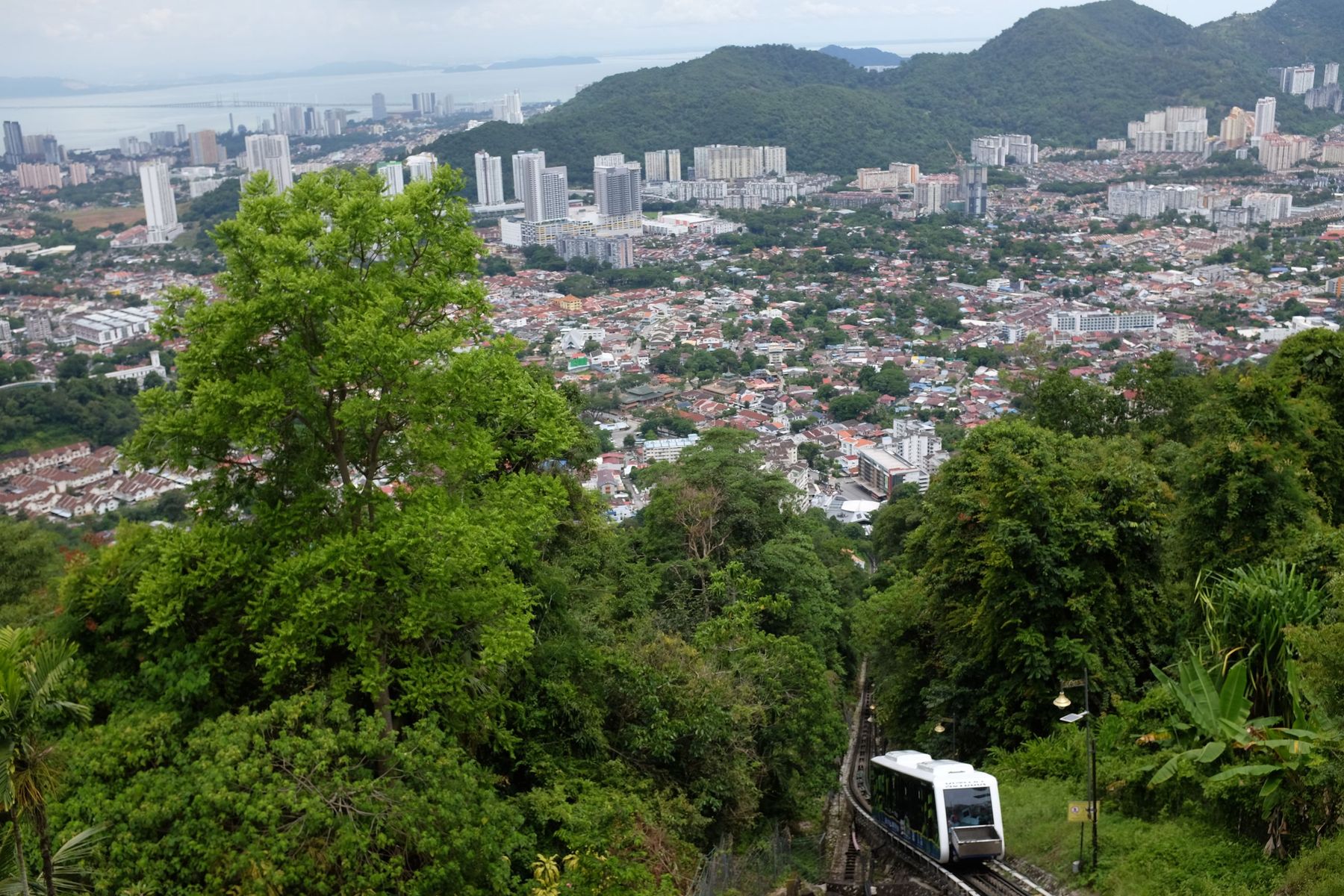
And colonialism shapes the landscape as well. On the sea, various jetties named after the surnames of the families that settled there -- Chiu=周, Tan=陳 Lee=李, all pronounced in the Hokkien way -- each with a long plank on stilts jutting out into the water for unloading goods and passengers. All the way up to Penang Hill, the peak, via a hike (which we did) or a funicular that has been in operation for 100 years. It's no surprise that the main island in the Straits settlement, before Singapore usurped its position, would be built from shore to peak.
But those weren't the only characters to pass by. Penang was also the stop for many overseas Chinese that drifted into Nanyang (the southern Chinese seas) to escape persecution. Such a tiny outpost of an enclave served later as Sun Yat Sen's main base in Southeast Asia for his Tongmenghui, his political party later to overthrow the Qing.
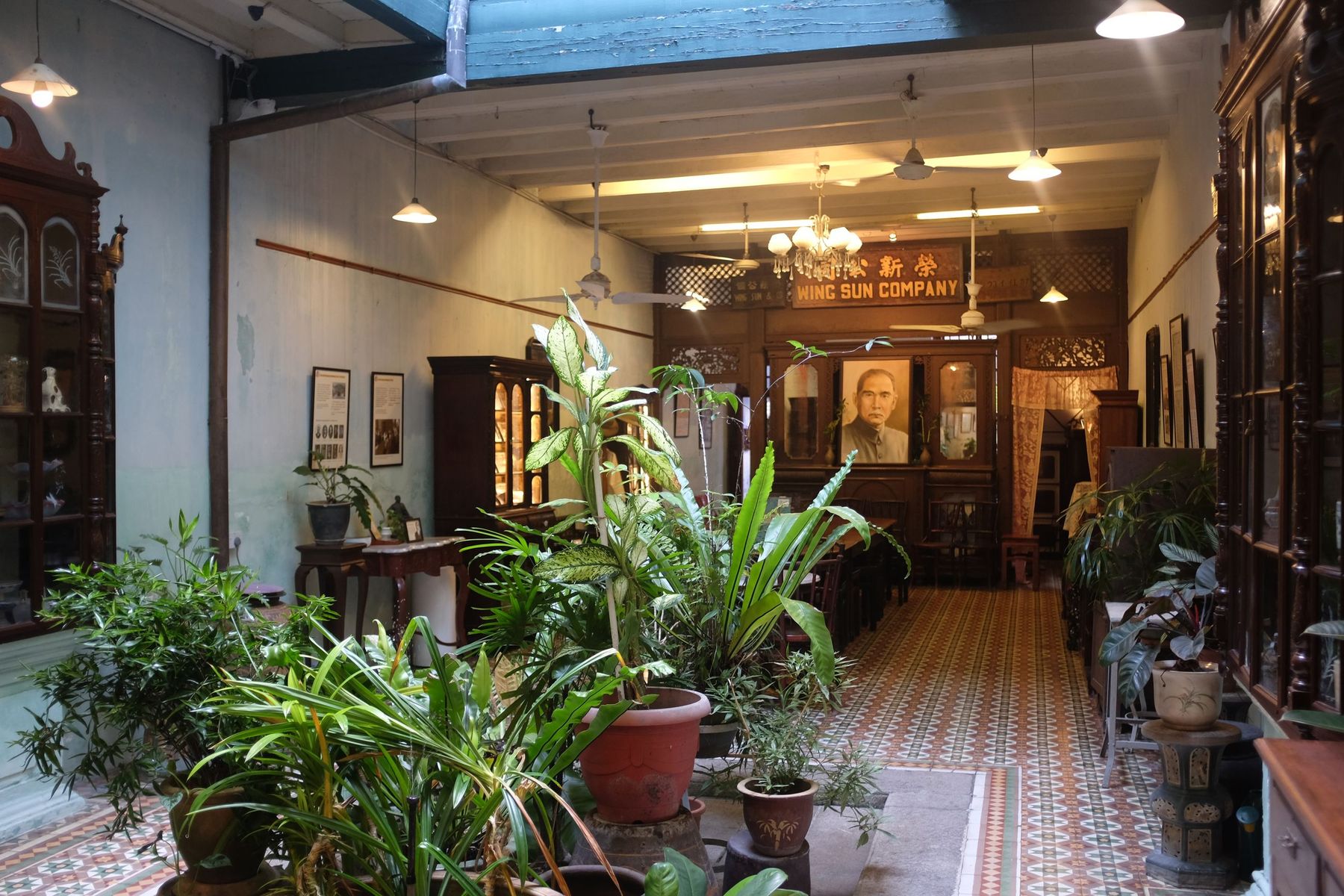
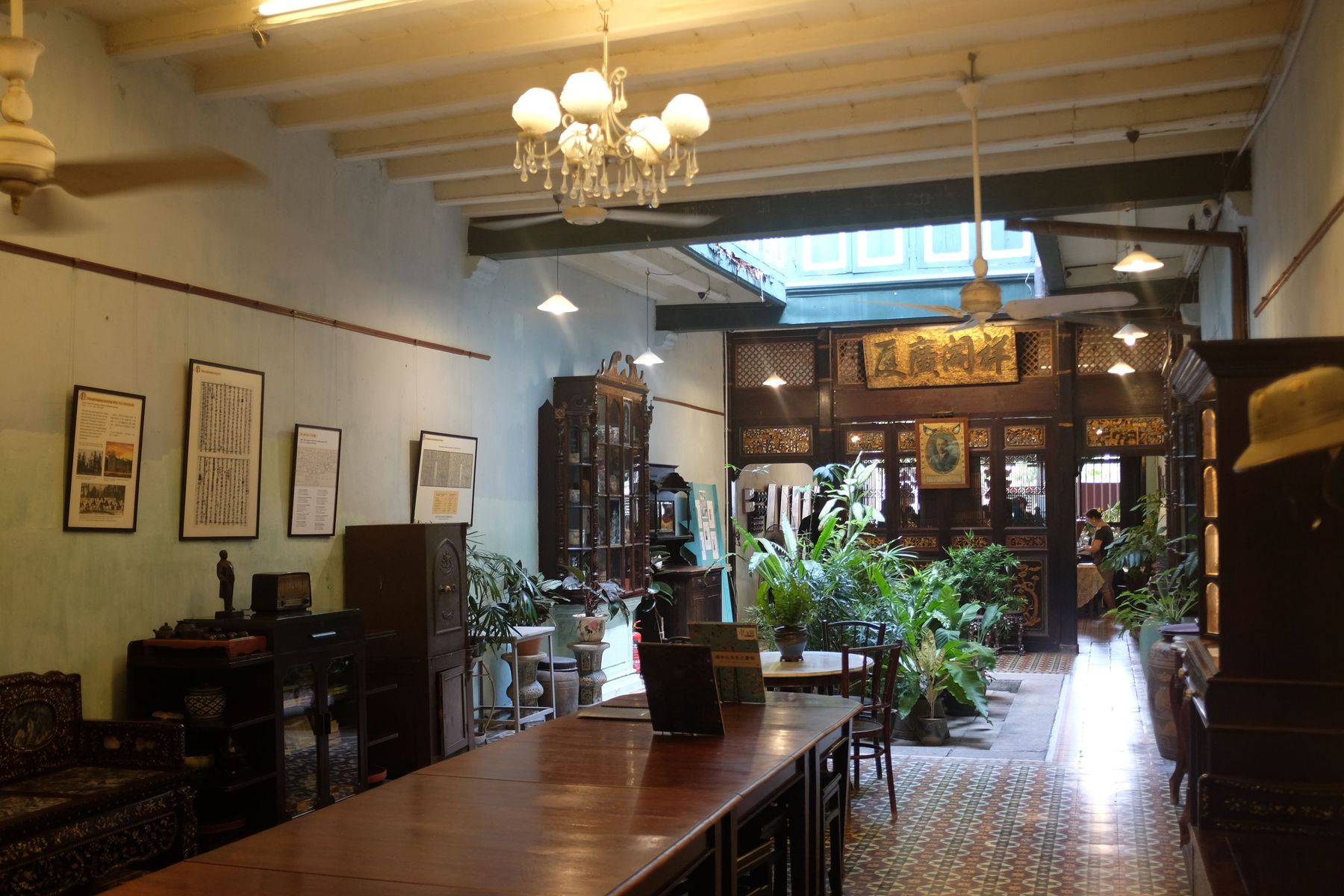
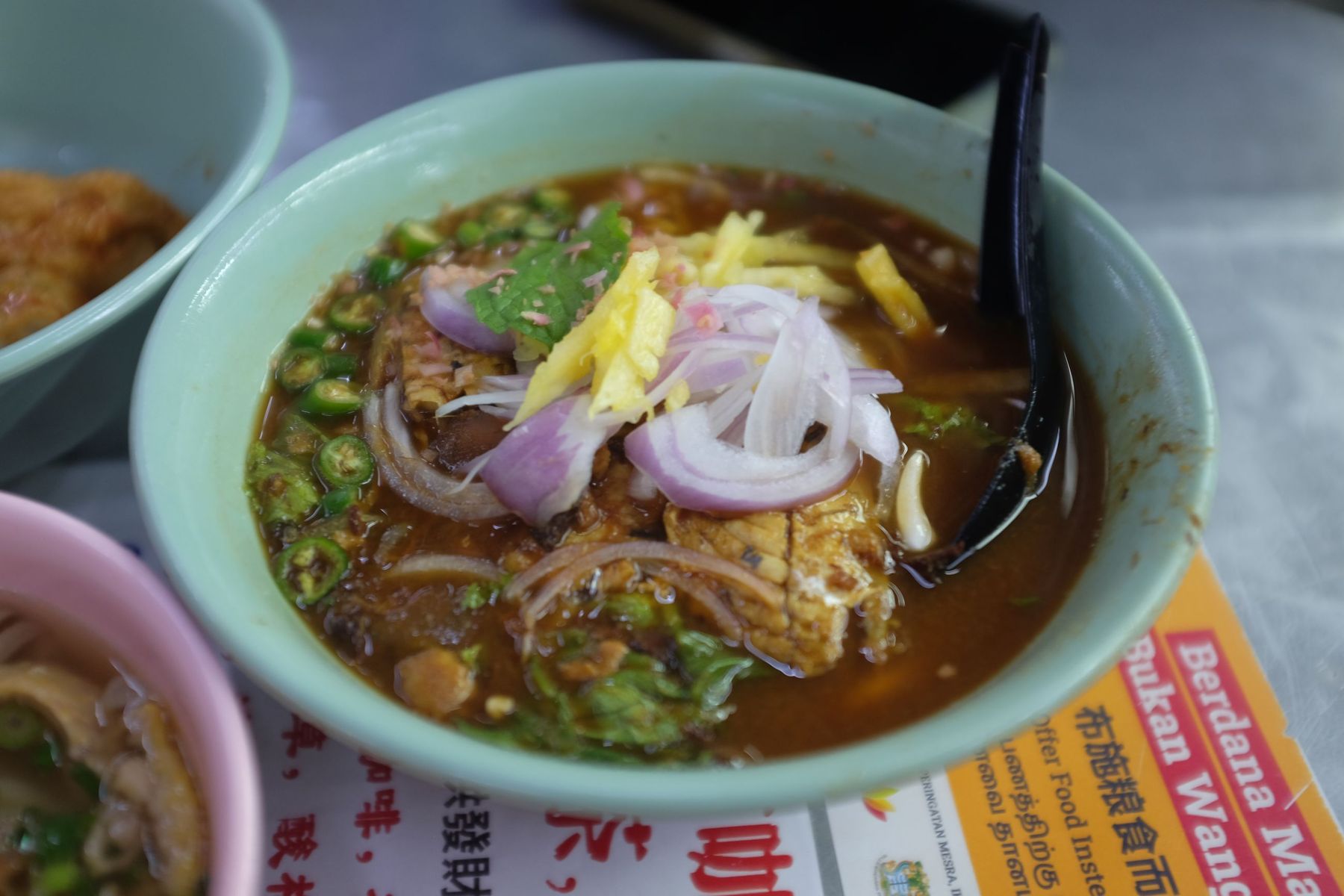
Take all of that, wrapped up in delicious food with very kind people. A common Malaysian greeting for Muslims: taking the hand of the elder and gently touching its nape to your forehead, and three kisses on the cheek to women. While sitting at an open-air hawker, two children greet an older Malay woman, and she says in a warm, yearning response, "My grand-daughter! My grand-son!". A beach bar owner with dreadlocks and a smooth glide to his gait that gave mafia and matriarch, who treated us kindly at his Thai restaurant and each bar. A hawker lady in Cecil Street Food Market busily completing orders, but in a way that would never belie a rush. This is a culture that knows hospitality, good pacing to life... and knows how to eat!
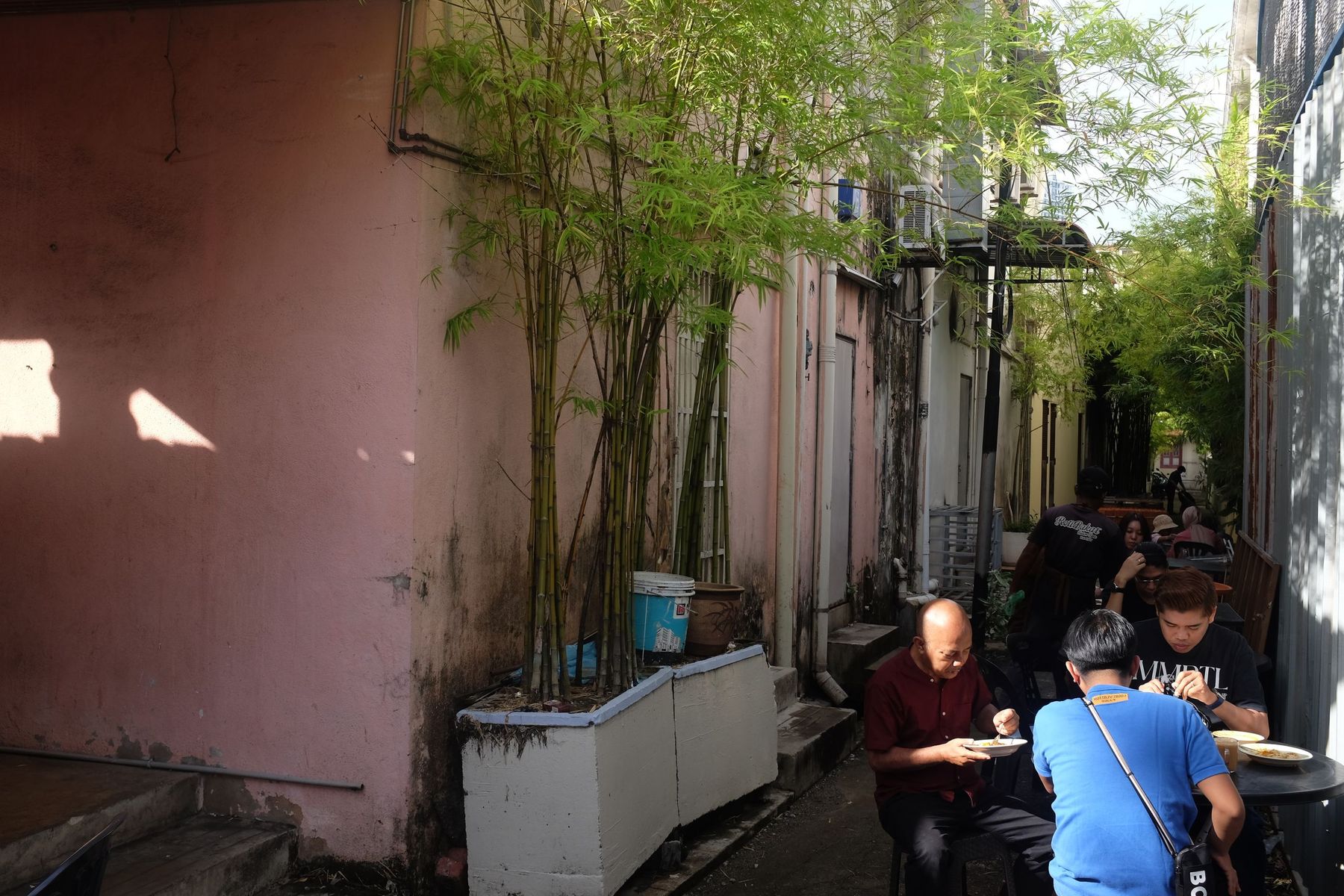
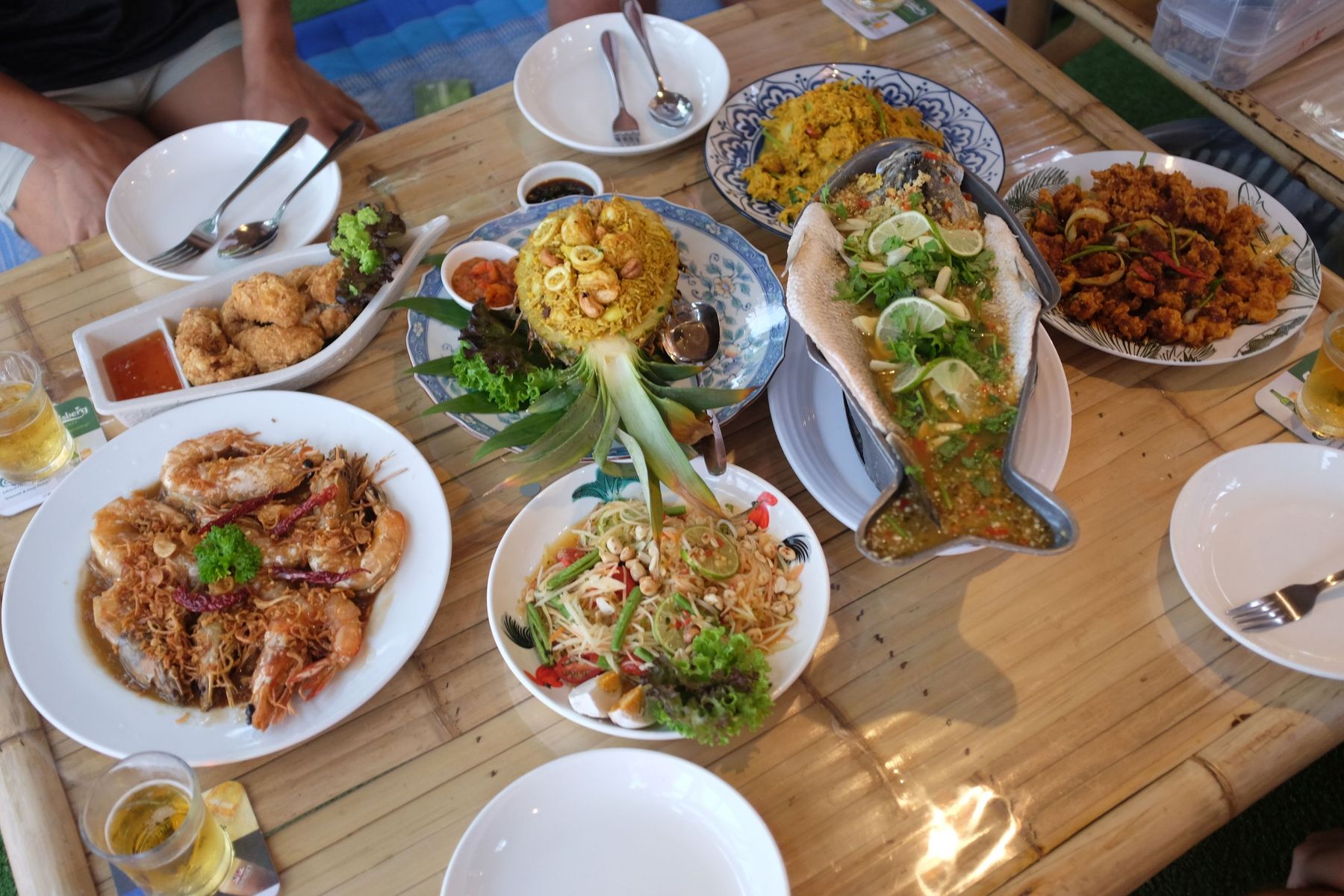
Put all of these aspects together, and you get Penang. A unique Straits settlement town.