JOGJAKARTA, INDONESIA
Sites: Candi Prambanan, Candi Sewa, Malioboro, Keraton Palace, Vredeberg Museum
2026-01-20
Jogjakarta (Yogyakarta) is a relatively lesser known city in central Java -- just east of Jakarta, west of Surabaya. I wasn't sure what to expect, but it exceeded my expectations. The trip was a mix of sight-seeing and work.
There are two main temples tourists go to from Jogjakarta: Borobudur (out in Magelang) and Prambanan. But there are actually temples in other parts. On the way to Prambanan, we passed by a temple that the Grab, a ride share app, driver told us to look at casually. There were also water temples which were sites of the royal temple. The entire modern city seemed to be erected and built around the history of the town. The best part was that people still lived among these ruins.
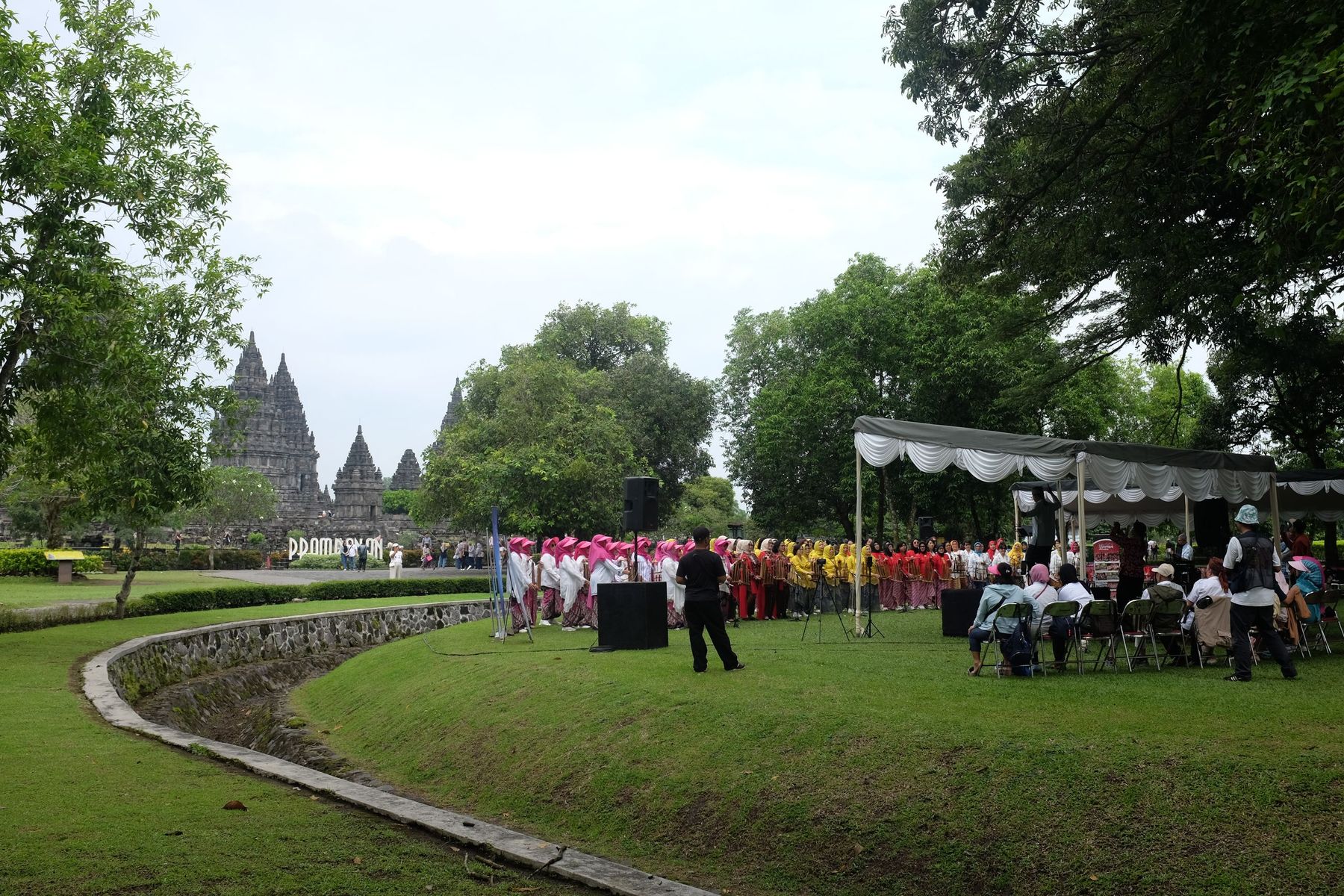
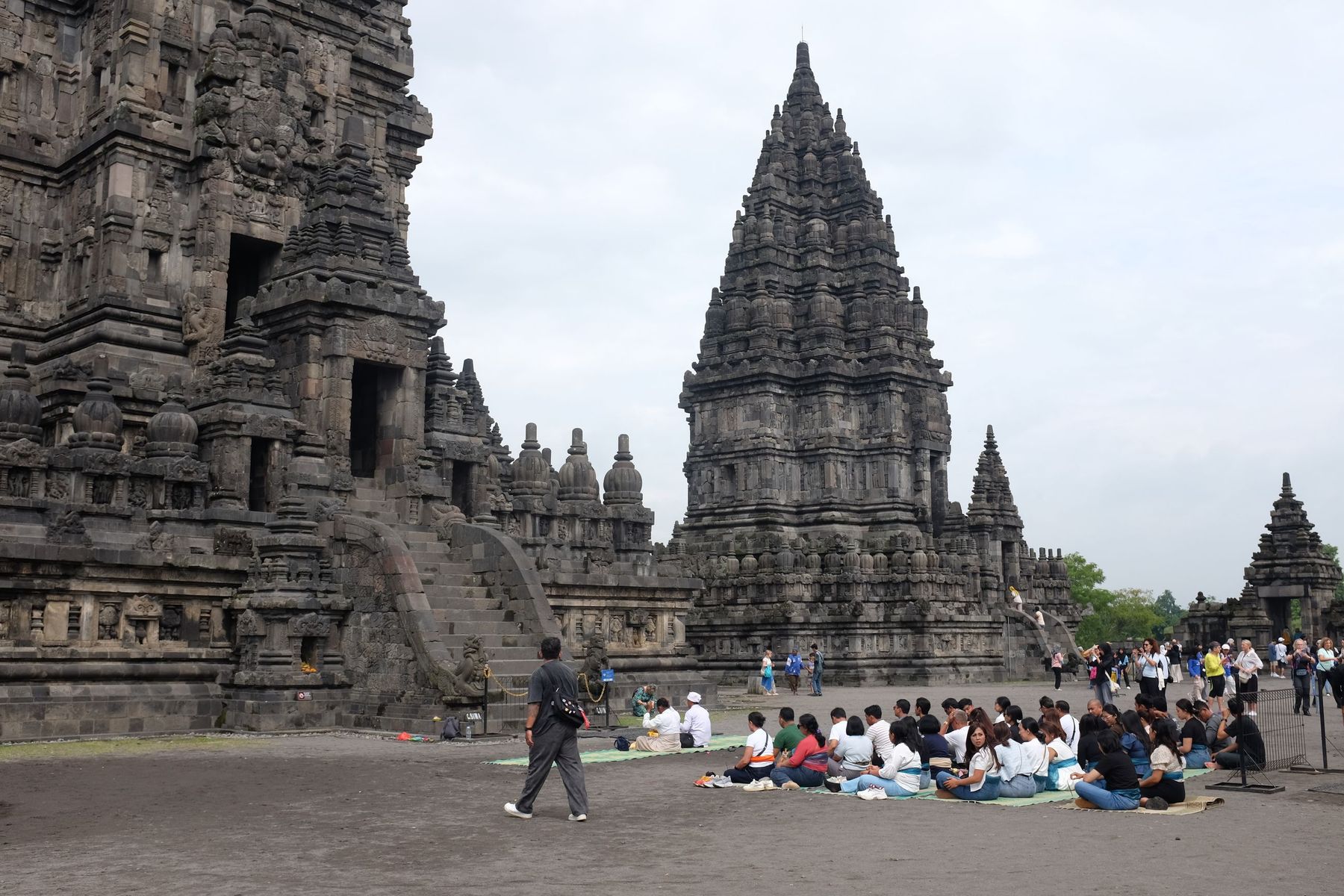
We started with Prambanan Temple, one of the largest Hindu Temples in the world. The architecture is markedly different and more staccato in style than Borobudur which was rounded and with stupas. The grounds were more like a hangout park, with aunties playing instruments to Queen's "We Are the Champions" and children learning English. Several of the children came up to us to ask us to speak English with them while they gave tours of the Temple. So much so were everyday activities happening that it seemed like the temple was the afterthought.
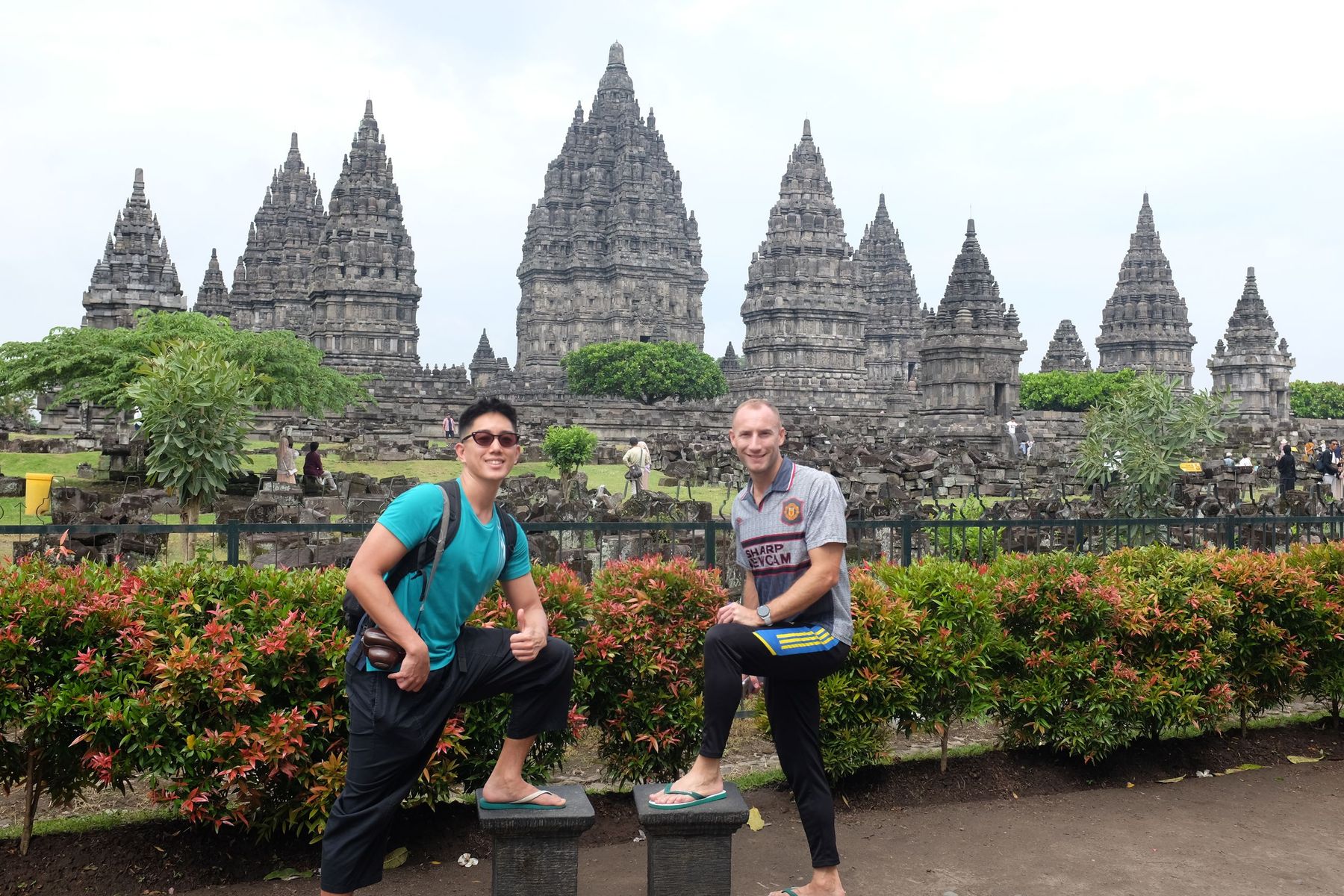
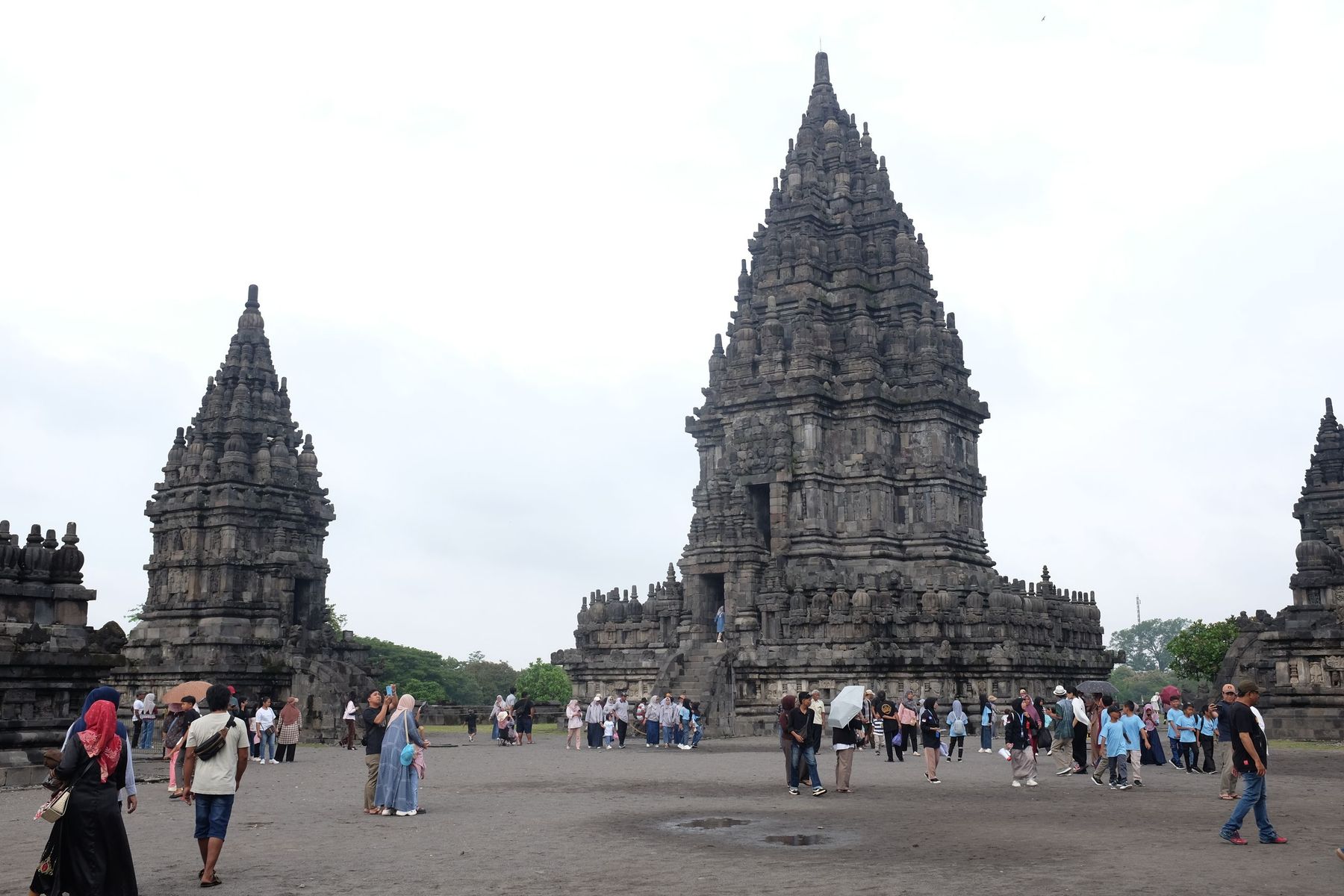
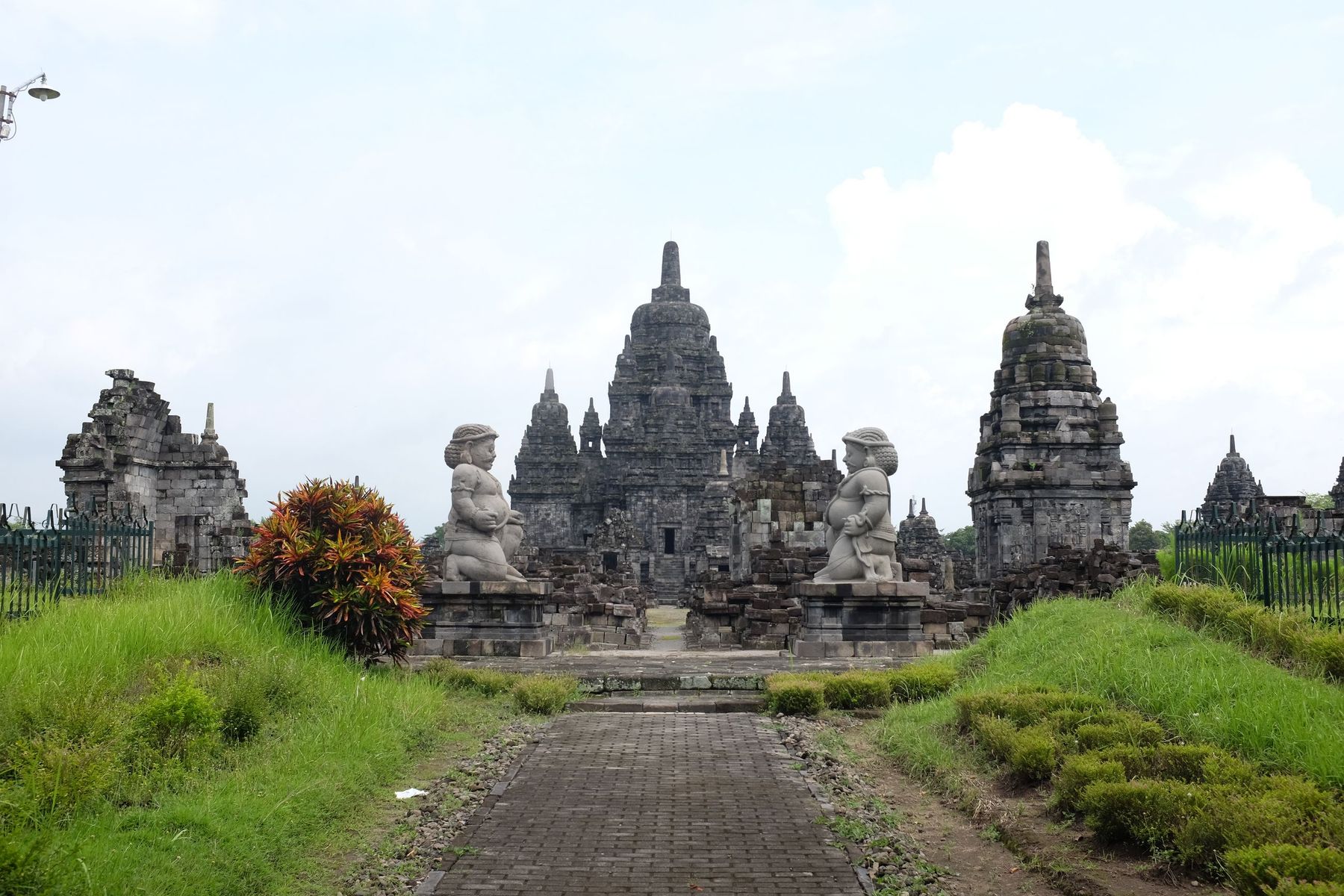
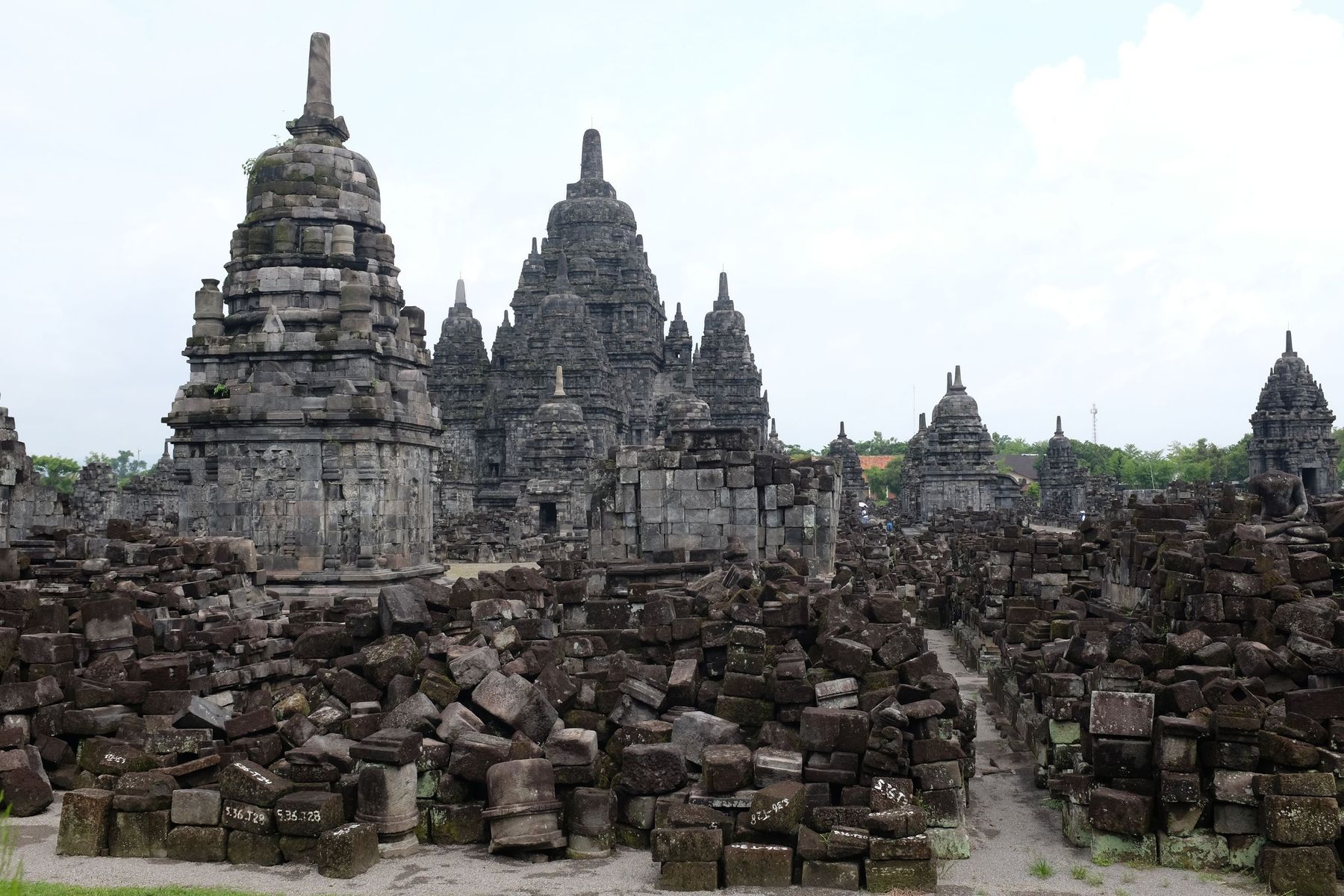
And Prambanan was just one set of complexes. There were other ruins around the whole park. Arguably better "preserved" in time was Candi Sewa, for example. Many of the temple structures had crumbled and had been left in a state of to-be-restored, which gave it a more ancient feeling. There were far fewer people here, also giving it a feeling of being a temple raider. All around the grounds, loosely piled stones that had yet to be touched were strewn on the floor waiting for restoration. Despite all the people, the park was still markedly peaceful.
In general, I found the city to be a nice cultural counterpart to the capital, Jakarta. While Jakarta was giving full capital urbanisation, Jogja was giving me heartland Javanese culture. Many of the buildings and monuments wore a subtle history of Java to it in design and preservation, which also mixed in various aspects of Dutch culture. The Kampoengs that we would stumble upon were all preserved very nicely and "lived in"; all more well-kept than other villages we have seen around Southeast Asia.
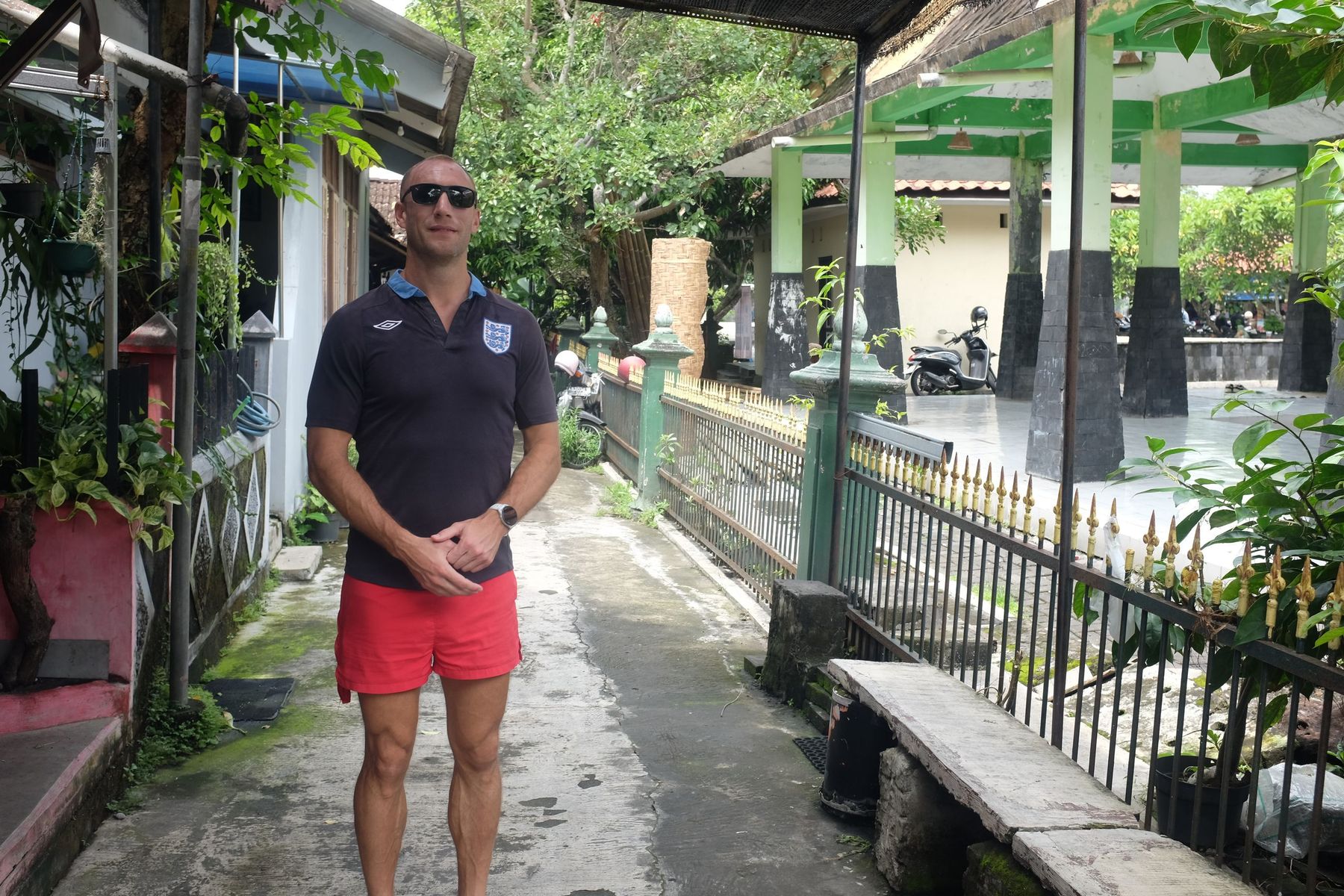
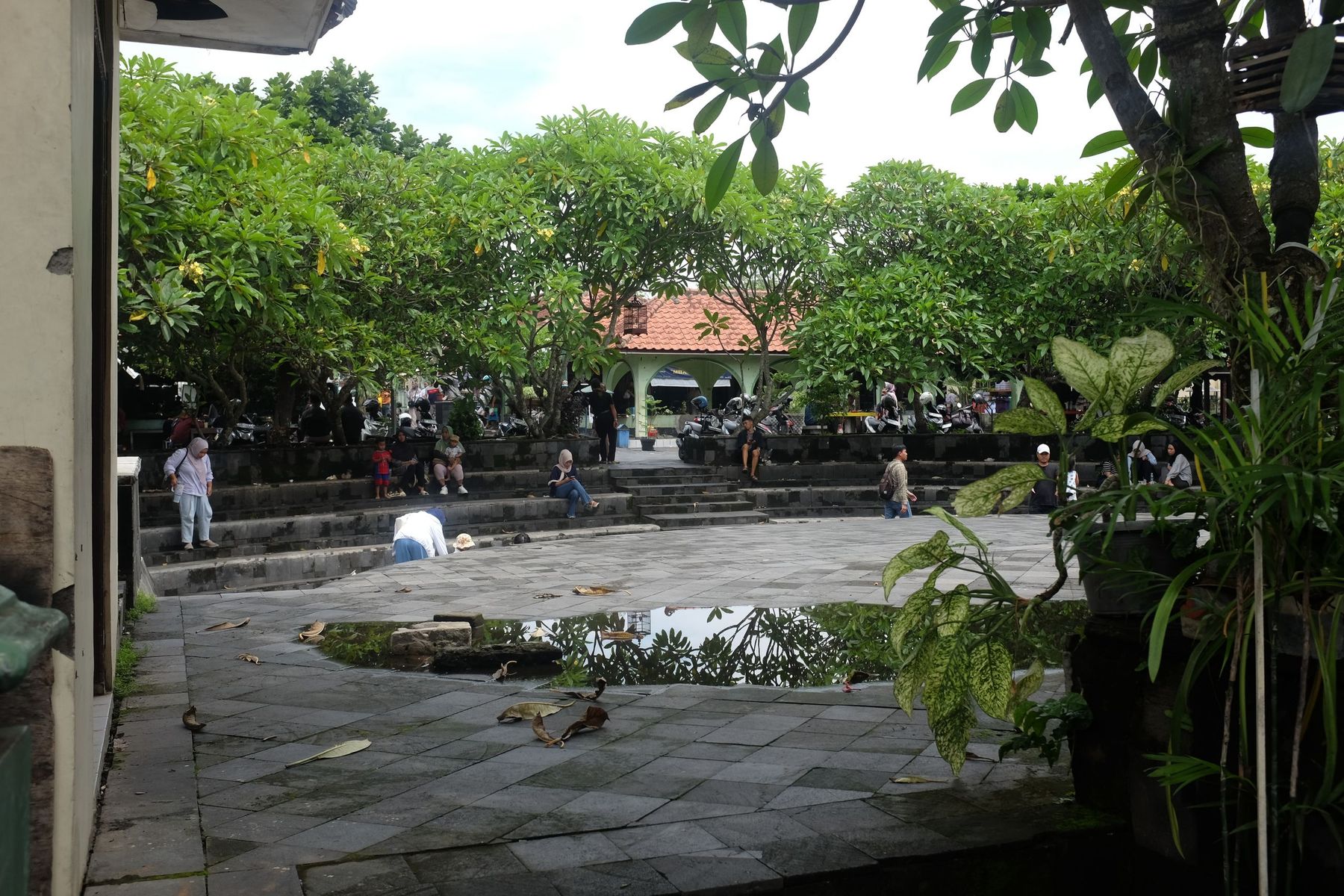
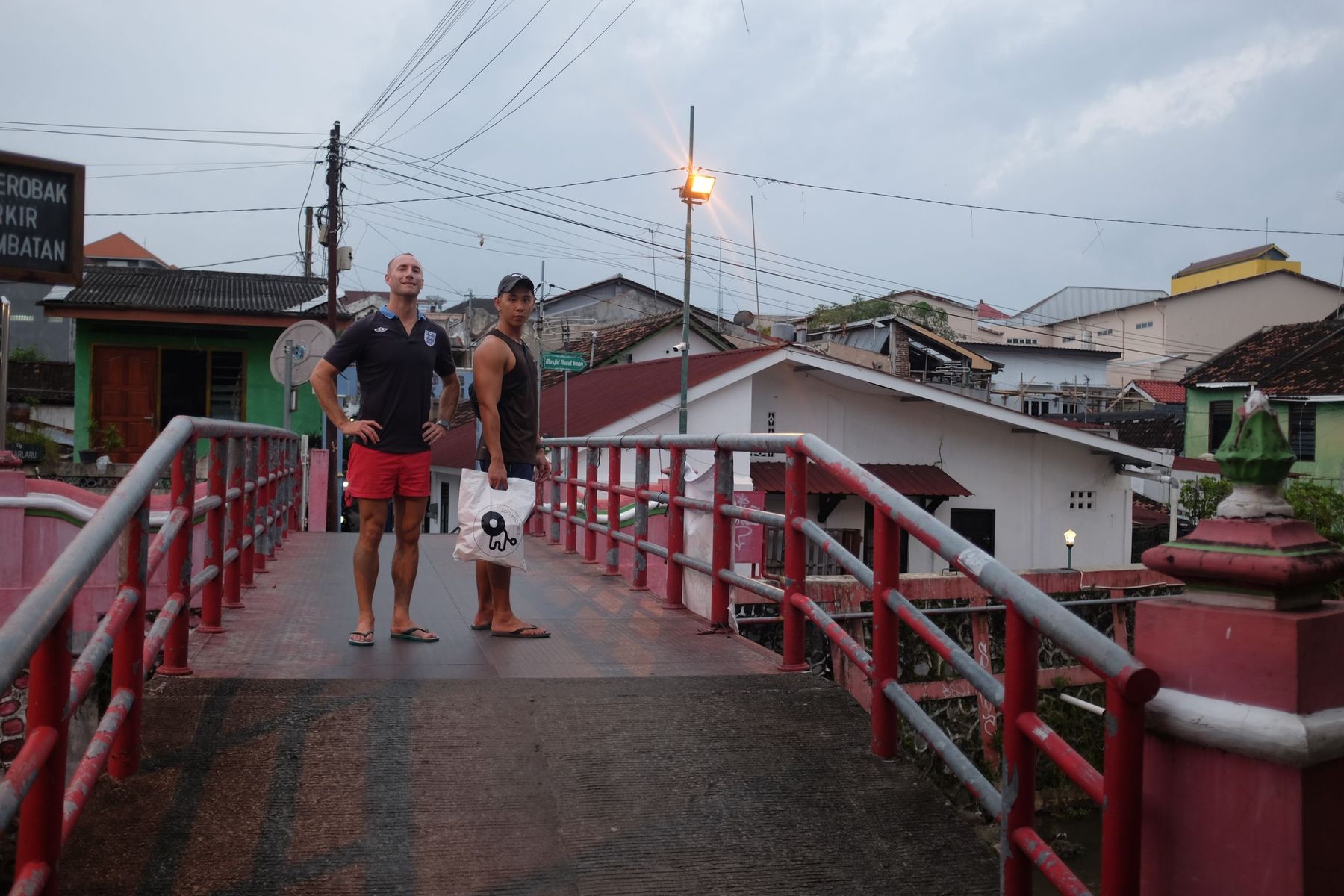
The people in the city are also more chilled out; I never met a single person with a bad disposition. Being a major part of education for the country, there were also a lot of students around. So much so that the bar street did not look totally disparate like one you'd see in Thailand or the Philippines -- it was just mostly students. And the general Muslim culture meant a lot more smoking than drinking, which means it's considerably less rowdy and more chill.
The least favourite part for me was Malioboro, a main shopping street. While many people recommended we go there, I wasn't drawn to the "high street" style of shopping there (mostly bargain stores and batik shops). Much more interesting was Keraton, which is the seat of the sultanate. Inside the walls of the Keraton, you get everything from small, peaceful neighbourhood markets to upscale, fancier shops. It's like a local style Javanese Kampoeng, fit with a lot of sitting out areas under pagodas. The entire space is also sufficiently green so that it feels like one big park. At one end of the Keraton, there is a large square called Alun-Alun where couples sit out at night and picnic, getting food from the different stalls around and having a date. It reminded me of a Taiwanese night market -- but much more better designed for chilling.
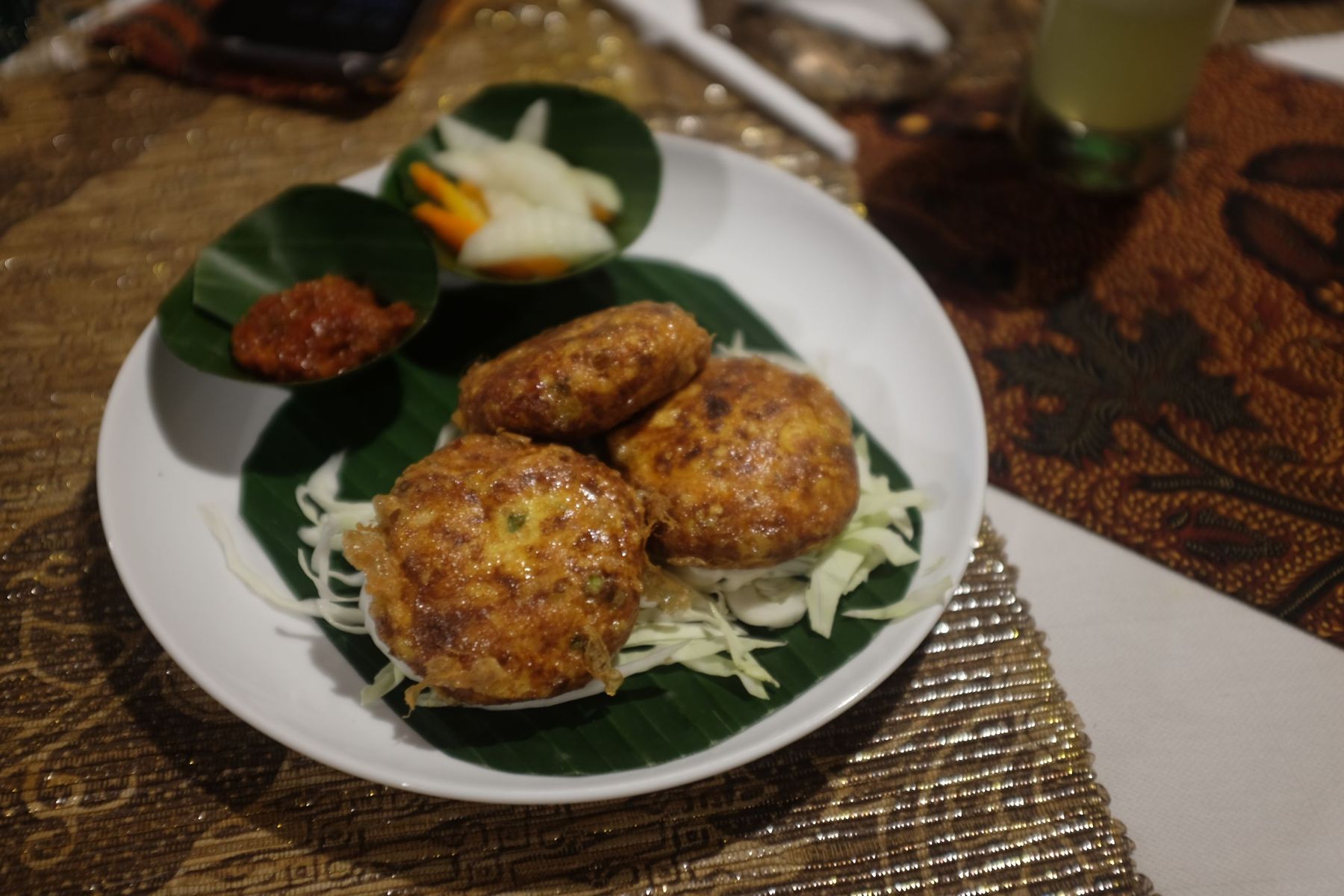
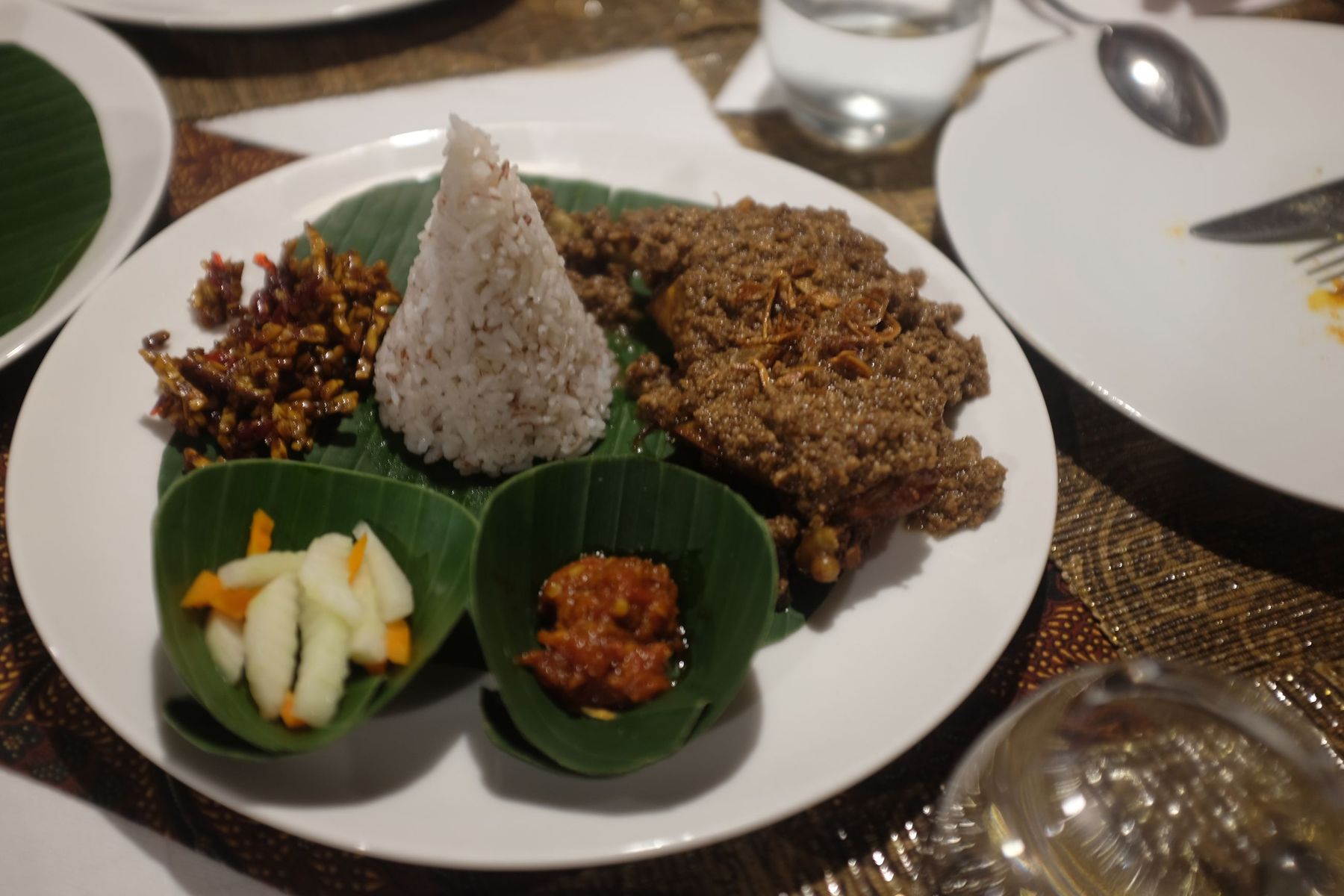
Javanese food was also a pleasant standout. The flavours were more mild-to-sweet but paired with delicious sambal, giving it a kick. The home-cooked style food, like the various lumpiah or meat dishes, or roadside noodles or gebrek dishes were the best. Most of these were also served in comfortable settings, from small shophouses to formal palace buildings. Some examples below.
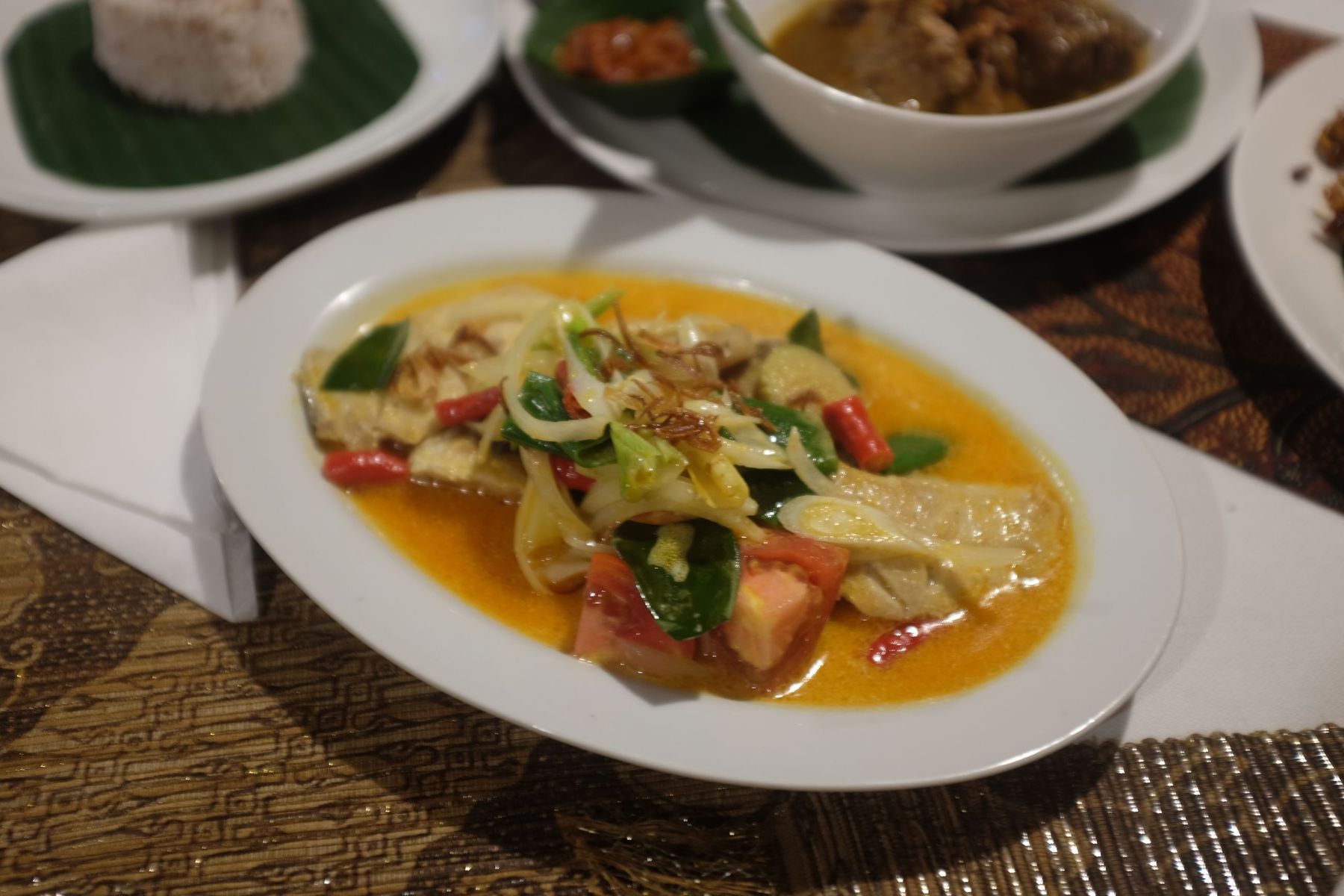
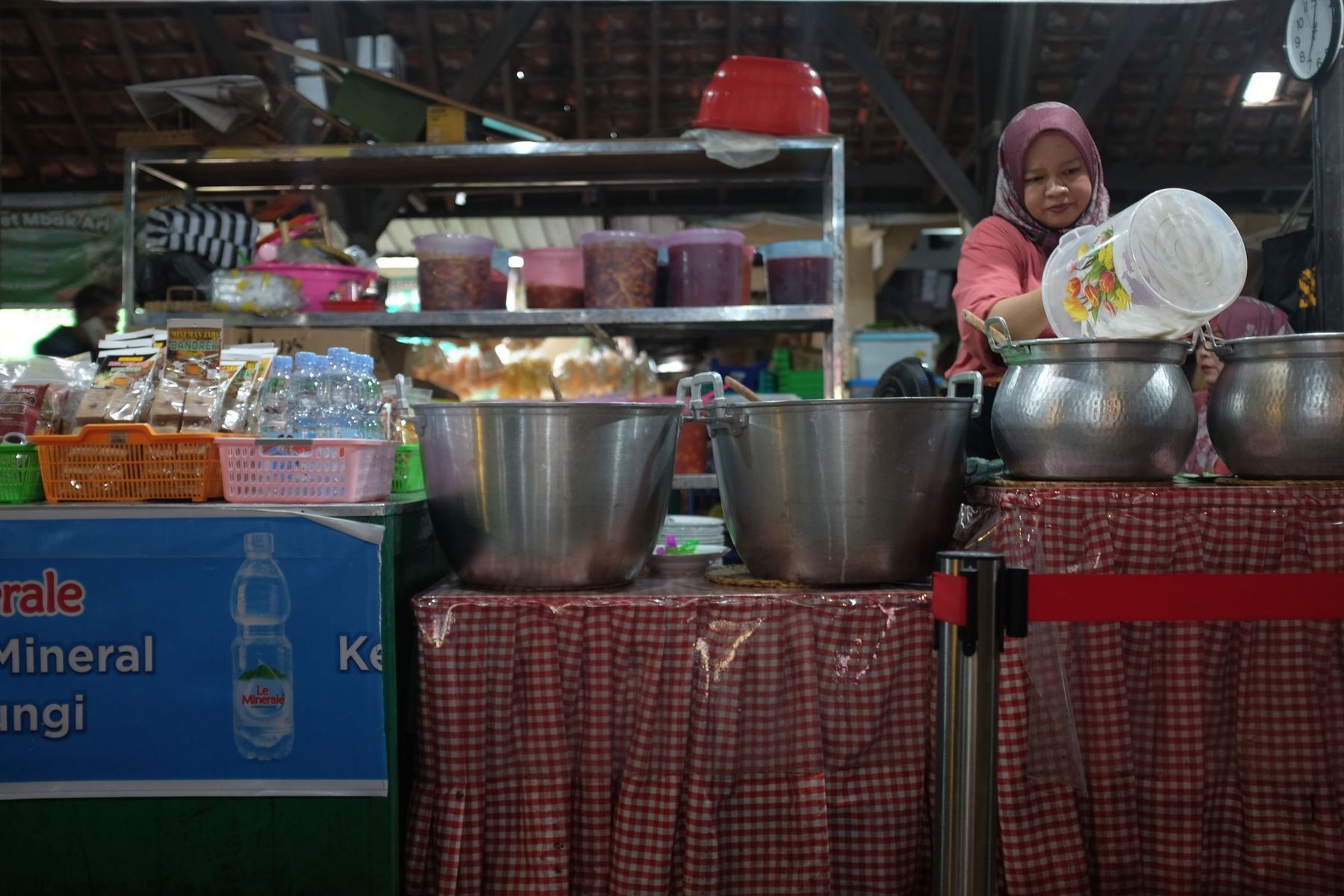
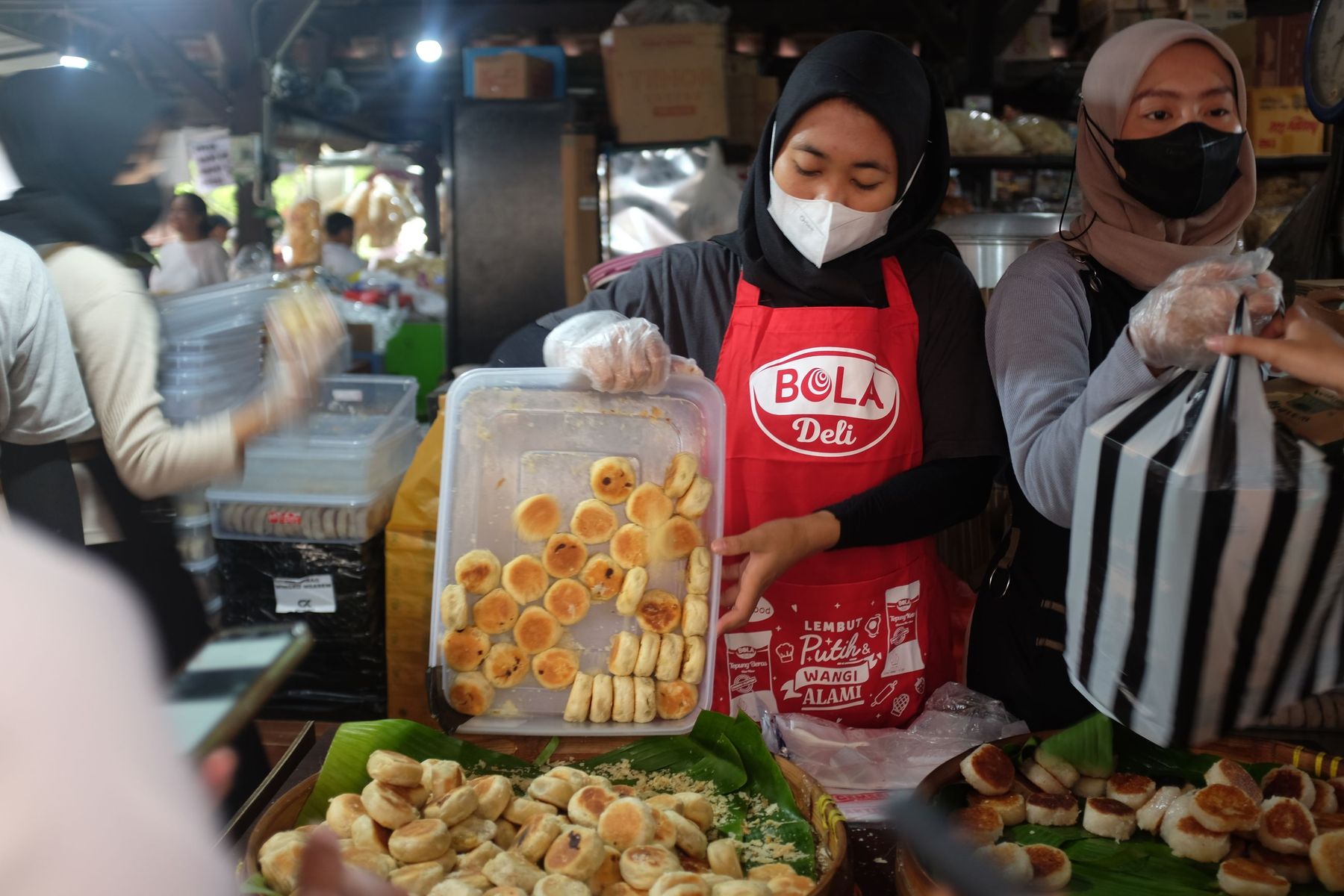
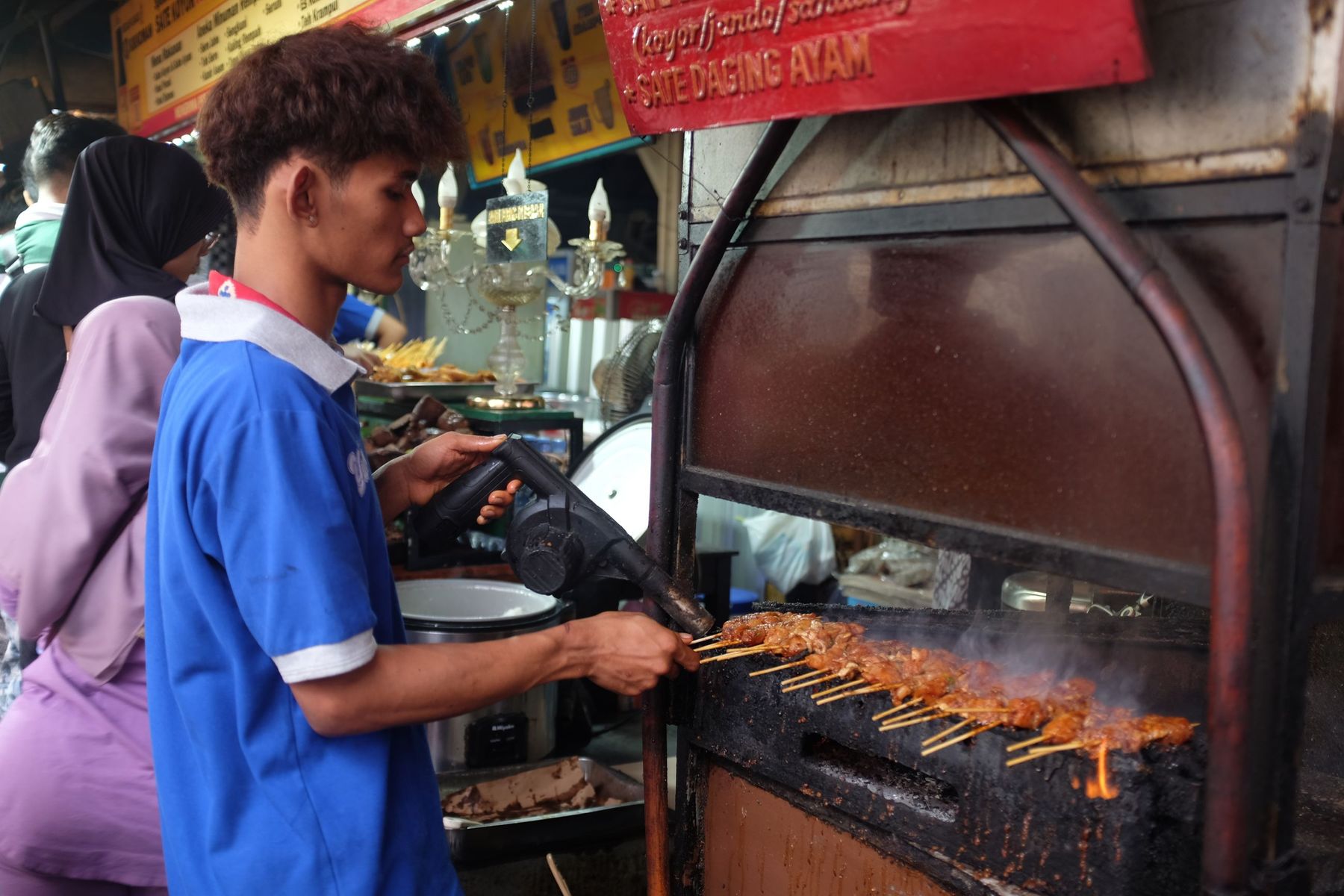
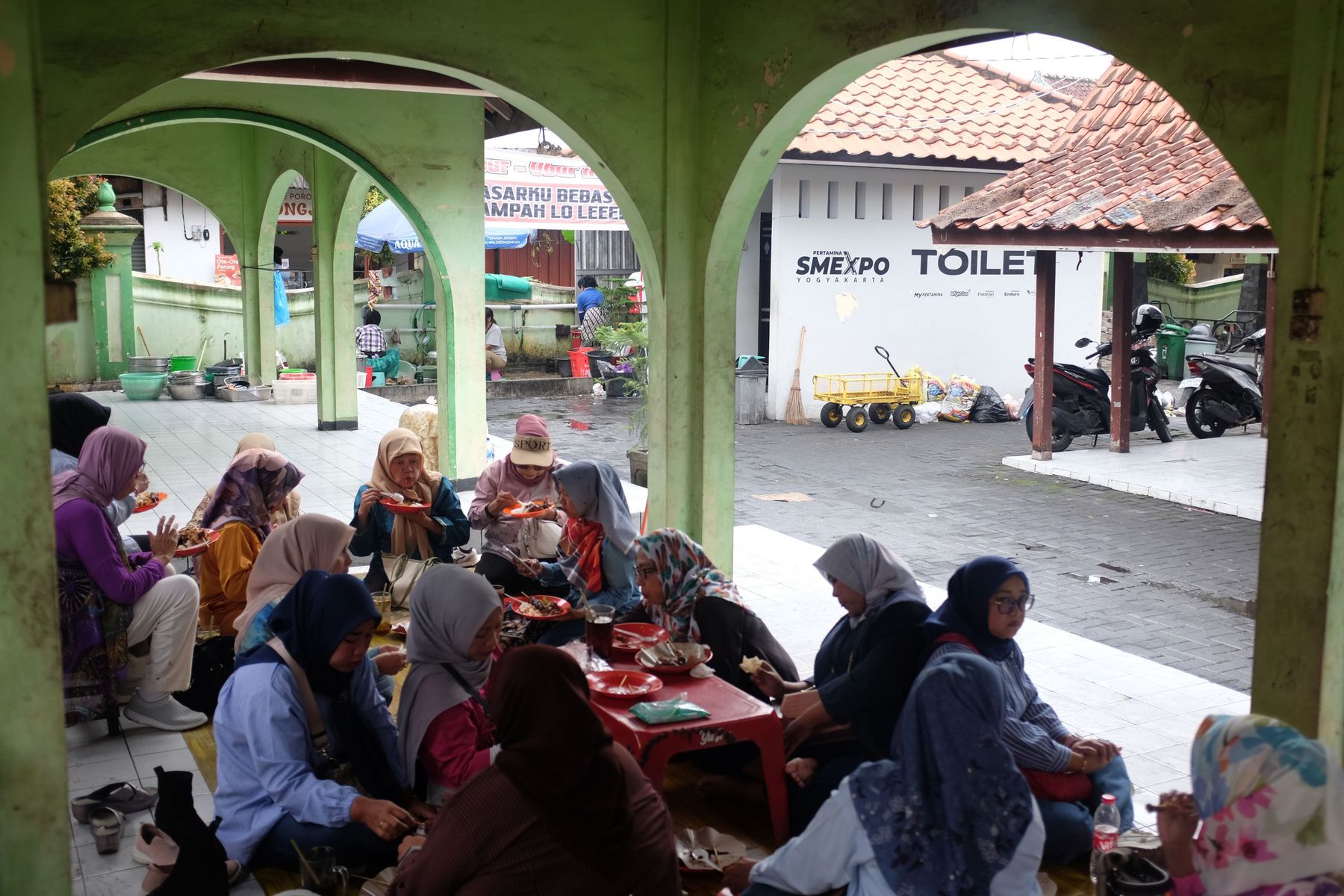
And then the people. The Indonesians I met were not generally as friendly or smily as the Thai or Filipinos at first glance. But there was a kind hospitality to them that was a good mix of distance and warmth. They're incredibly respectful, polite and good natured. I also think that since many people tend to only go to Bali, they also tend to overlook the diversity of the country. A Chinese Indonesian friend previously told me, it's like living in a country with a bunch of diversity that you actually have access to since you share a national language -- similar to the U.S. Except here it's not the look of people but rather culture that defines them, since they all look more or less Asian. Being from somewhere so diverse and big means that anywhere you go domestically, you can unlock a new aspect of the country.
Such a big country, so much to see. And such a small vibrant slice here in Jogja.