Shaoguan, Guangdong, CHINA
Sites: Danxia Mountain (丹霞山), Maozi Peak (帽子峰), Meiguan Historic Trail (梅關古道), Nanhua Temple Complex (南華寺)
2025-12-10
I was hoping to disappear into a third-tier Chinese city and hike in the mountains. A friend from Guangdong province suggest I check out Shaoguan, in Guangdong Province, so I went on his suggestion.
The most obvious impression is that everyone I met on the road was at least 30+ years old. A correlation to that is that most of them are friendly, and willing to chat. A more remarkable observation -- and one I'm slowly realising -- is that it is a very cultural country. Much of that is tied to its long history. Old people can share about the town they are from, and cite historical facts about it. I get lost in these conversations; I'd never studied these words in Chinese. But whether it's the old man on the train on the way to Hunan Province talking about his hometown, Hengyang, or the younger guy selling home-grown agricultural snacks from Shaoguan citing that Nanhua Temple "holds the sixth sect of Buddhism, nowhere in the world", many Chinese show their pride by sharing their cultural and historical traditions. Hengyang is now on my list of places to go, and I pieced together my Shaoguan trip based on conversations with locals in the hotel when I arrived.
Another impression is the strength around language identity among the Cantonese. The week that I'd arrived, there was an Annual Gathering of Cantonese. Everyone that I heard had a distinct accent, all communicating in Cantonese. And they would all address me first in Cantonese. Mandarin takes a backseat in this part of town.
But like every city in China there are a few key offerings. The Didi drivers that I talked to said that Shaoguan isn't an exciting place, but still gave me a few options of places to go. Since nothing is near the city centre, cab rides were about 1-1.5 hours away, and booking cars were all in advance.
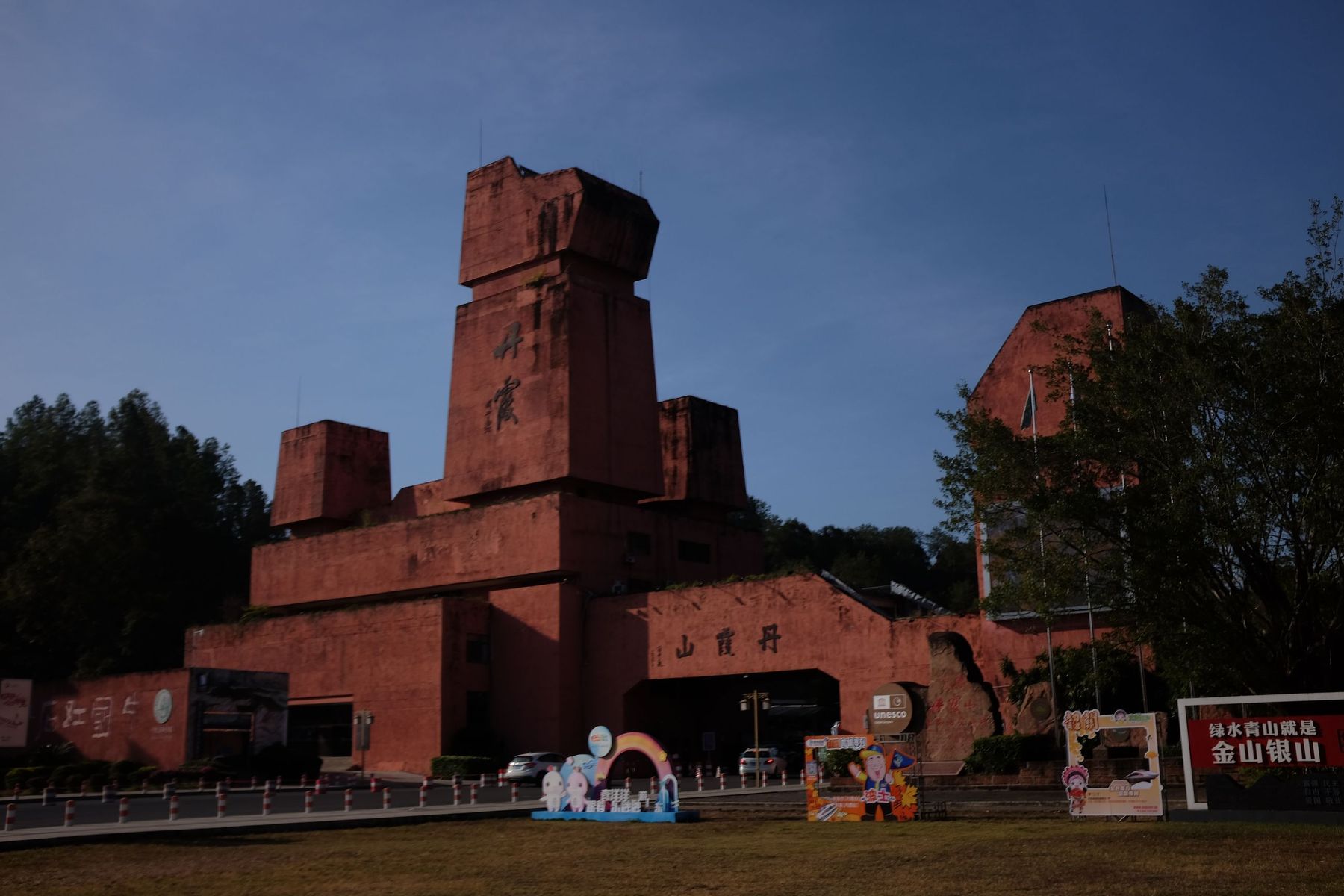
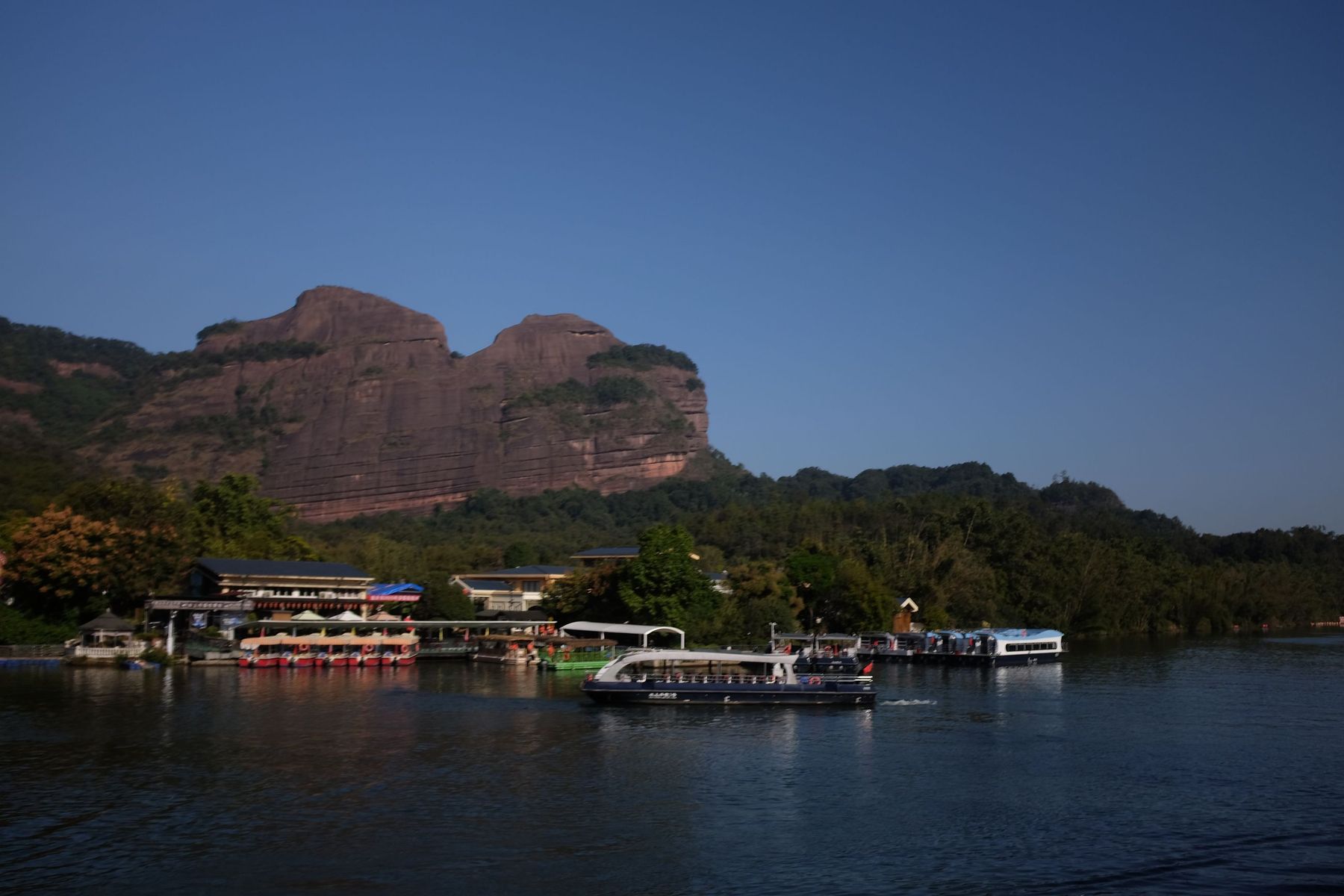
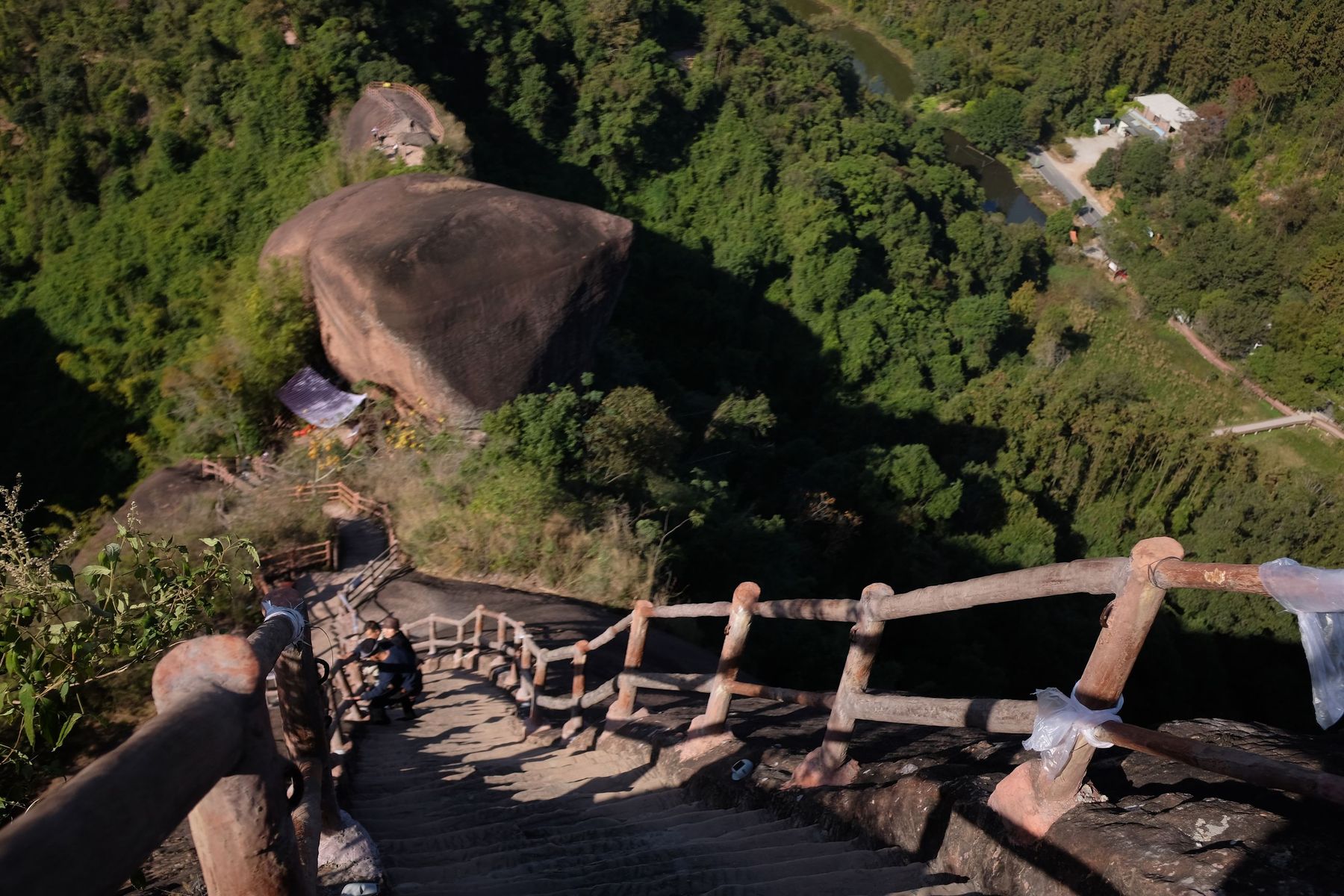
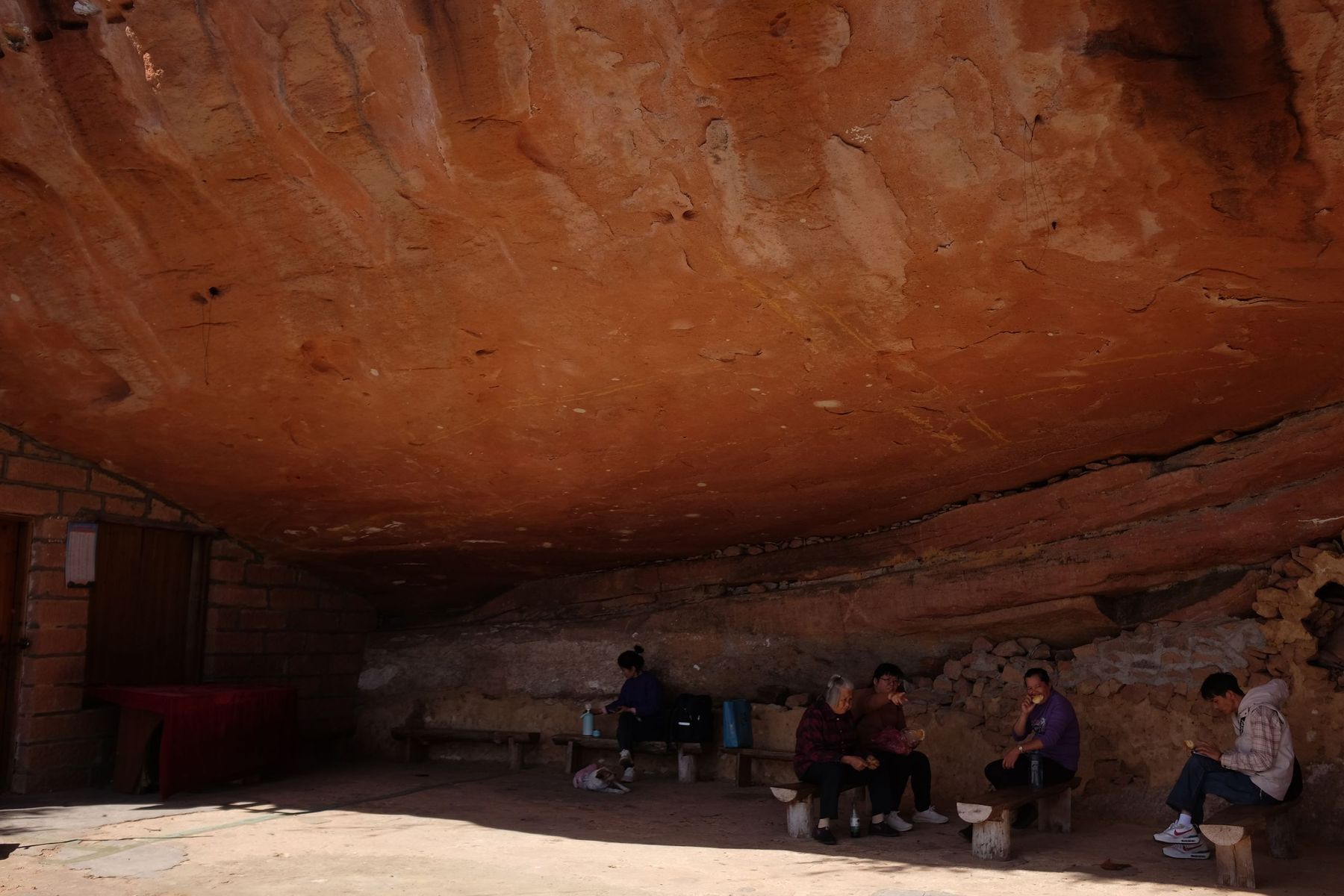
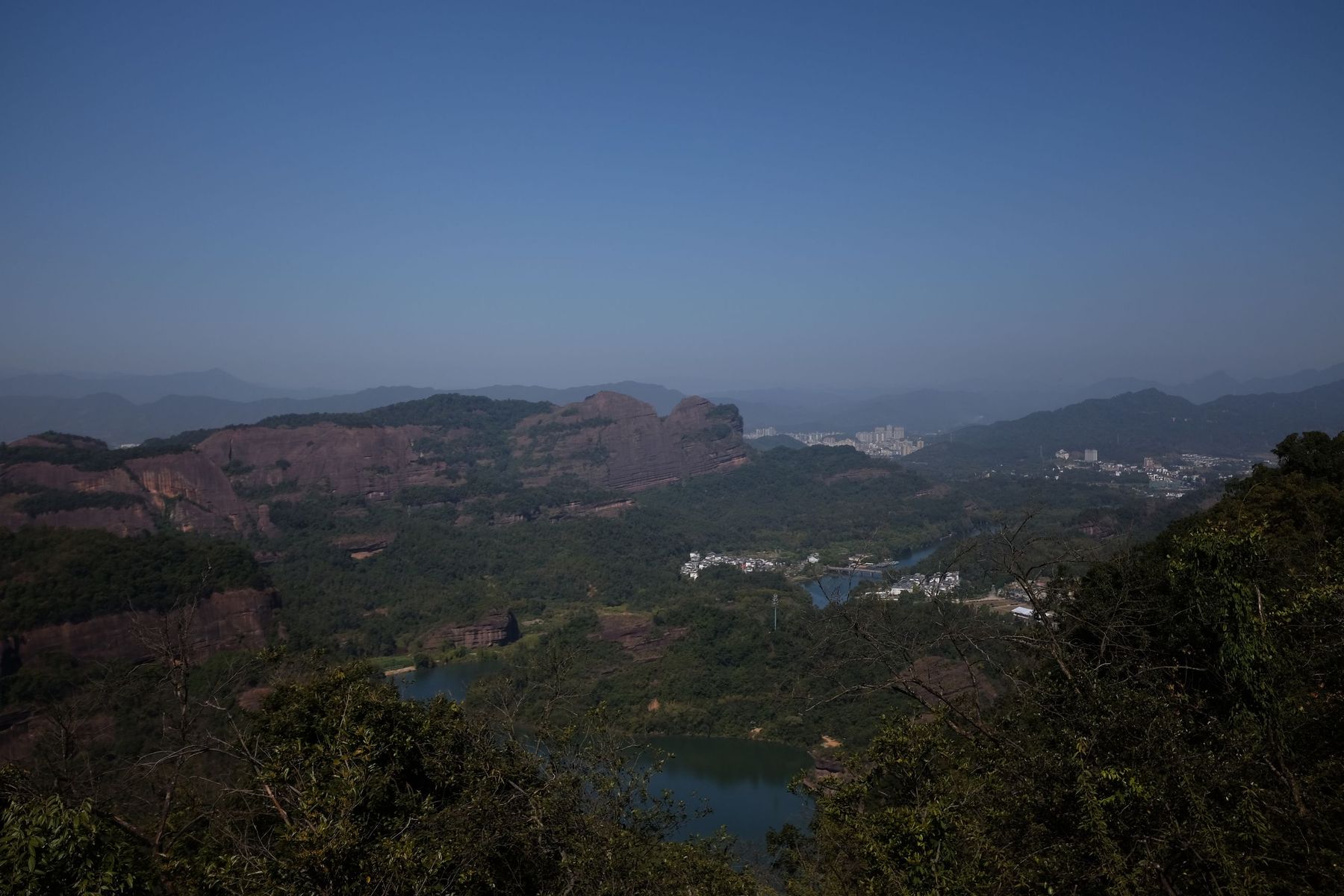
Danxia Mountain Scenic Area was the first stop and the most popular one. It is a very local national park. There are two sections to the park, and you could spend an entire day here hiking through the mountains. One section gets a bit scrambly, but is otherwise well paved. Still, it's not for those with a fear of heights.
Once at the top, you get great views of the landscape in the south. Similar to the Karst mountains in Vietnam, but different in geologic formation, the mountains of Danxia are sedimentary and are large slabs of red with green coverage falling over the top. The size and sudden erection from the ground make it a magnificent sight, and daunting climb. But the views from the top are truly spectacular.
I ended up seeing some of the Annual Gathering of Cantonese people there (distinguished by their classic tour-group style red hats). Some hikers took me as a curiosity: a lone walker hiking without a group. Many stopped to talk and comment on my shorts. One thing is true: older Cantonese people are not shy, and are loud.
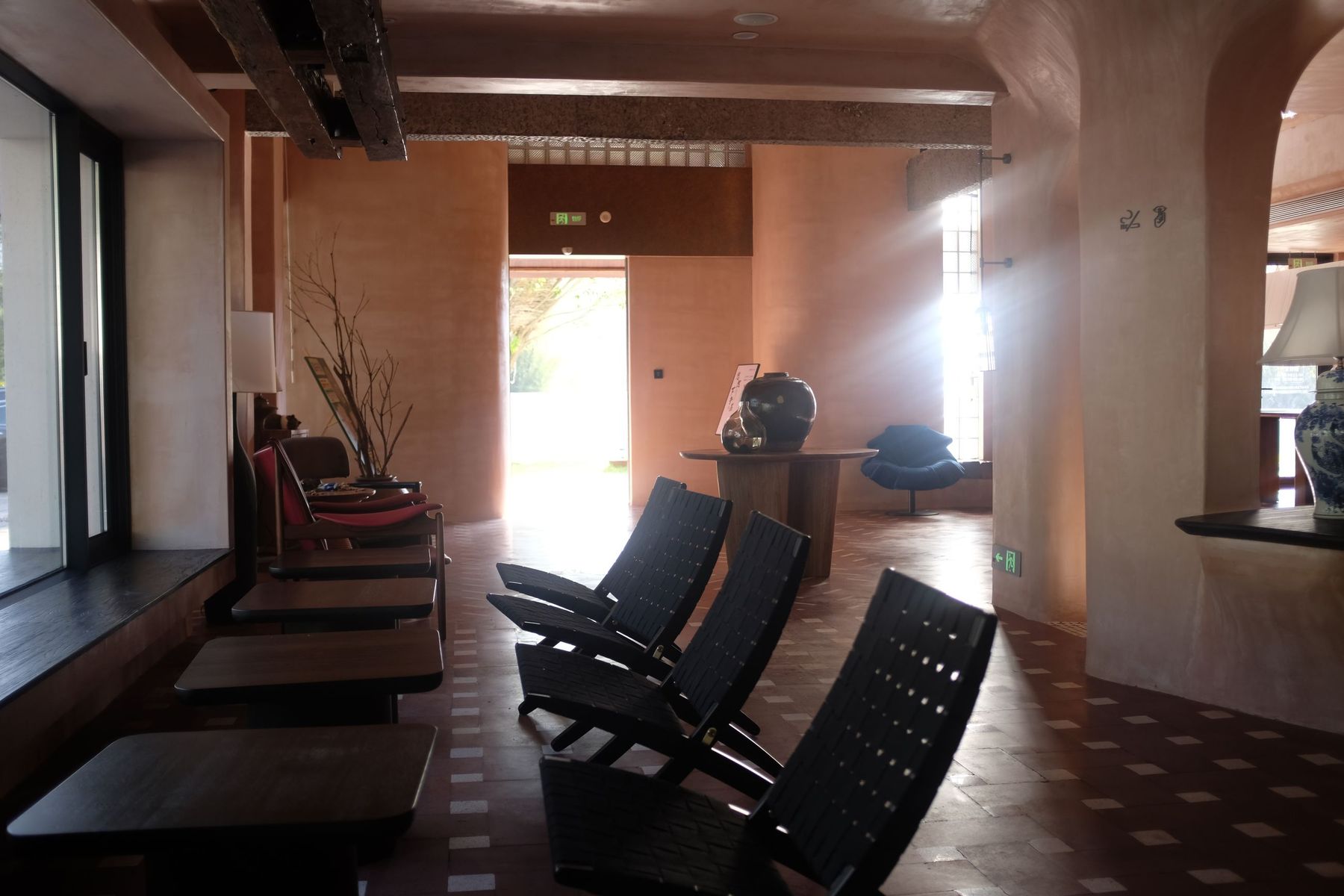
Wherever you go now in China, no matter the tier of the city, there are also some nice new hipster cafes that have opened. Here's one that I popped into while walking to the other side of the park.
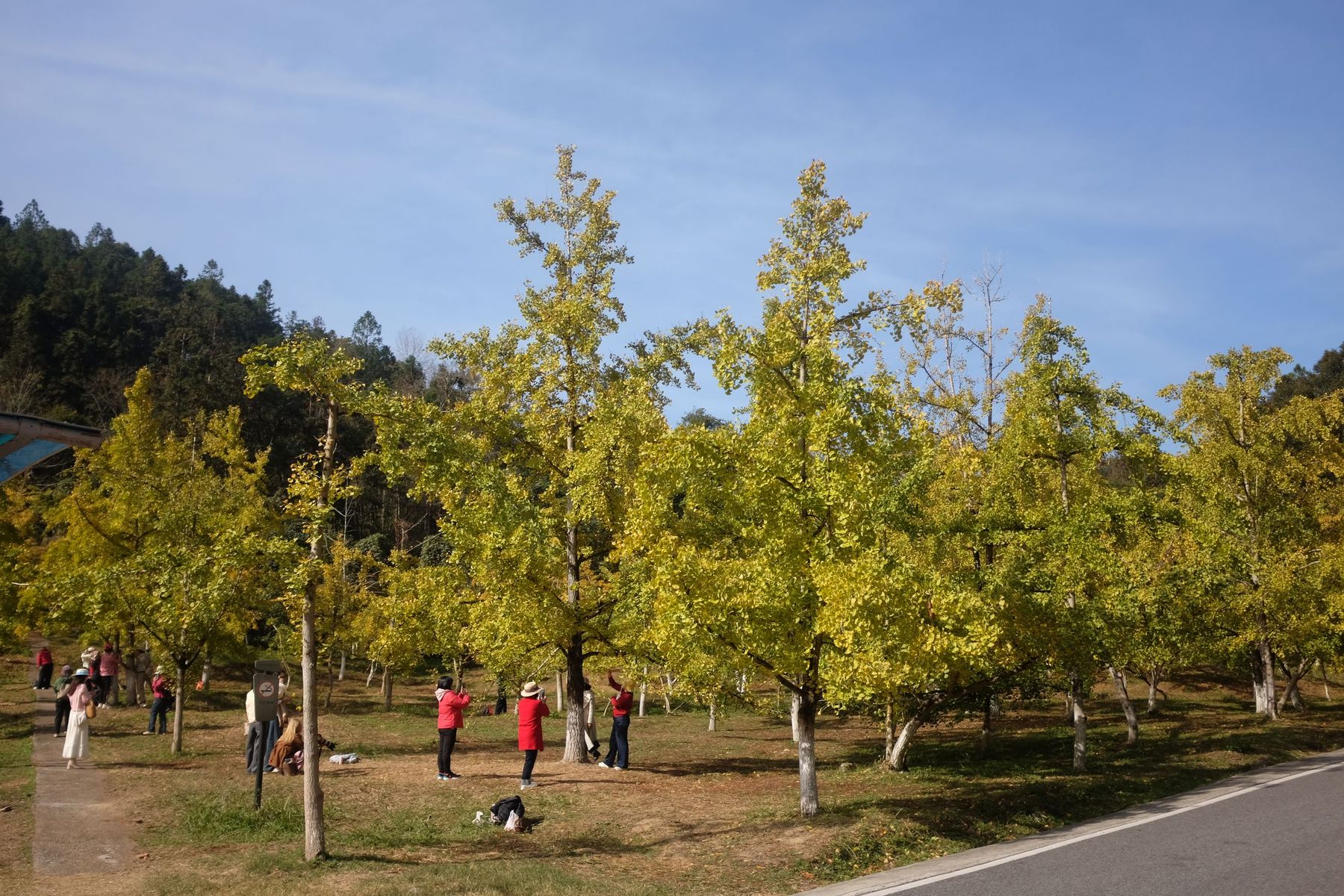
One reason I came here was to get a view of autumn. In 2023, I spent a lot of time on a movie set in Hangzhou, and I remember even in between transports to different parts of the omvie set, you had a proper autumn view. It was the most unassuming but amazing thing, something great about the countryside. Trees in various shades of transition on a mountainside, not by design but the natural growth of trees. I was hoping to get some of that this time around, but the closest I got was Maozi Summit, which is an artificially designed street with ginkgo trees lining one street. Around autumn, the leaves turn a bright yellow. While not entirely there, the lime green transition colour still gave a tinge of autumn. You'd be hard pressed to find that in the south, anyhow.
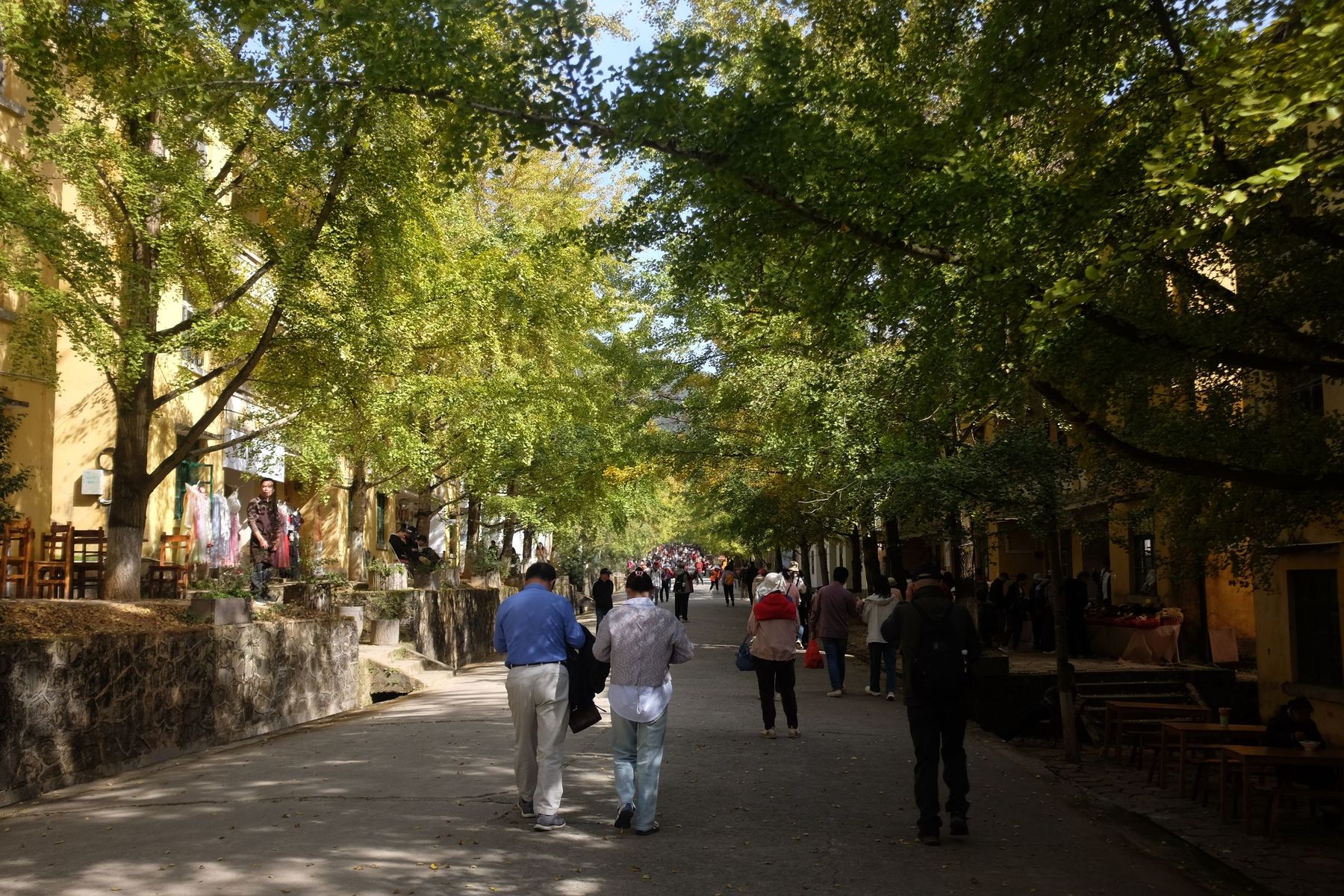
More impressive was what I find the average Chinese overlooks: old buildings and wonderful people. I bought a coffee from a small makeshift stand with a young gentleman sat selling fridge magnets. On his small table stand, a pre-recorded message on a megaphone continuously broadcasting "hand-made coffee, souvenirs, a room to stay." I went over to talk to him, and he said he works up in Maozifeng now since his company sent him there to do some promotion of the place. His boss, a young lady in her forties, whom I got talking to had grown up there her whole life. She share about the history of the area; how the buildings -- mostly built in the 80's -- were for forestry workers. While each one only three stories high sharing a central staircase, each building had a special design. Maybe a shade or touch of colour here and there; maybe a strange pattterning in the concrete lattices letting light bleed into the staircase. Despite looking aged, it gave the place some character. And all along the way people selling dried goods. It felt like a real village transitioning to a modern tourism industry town.
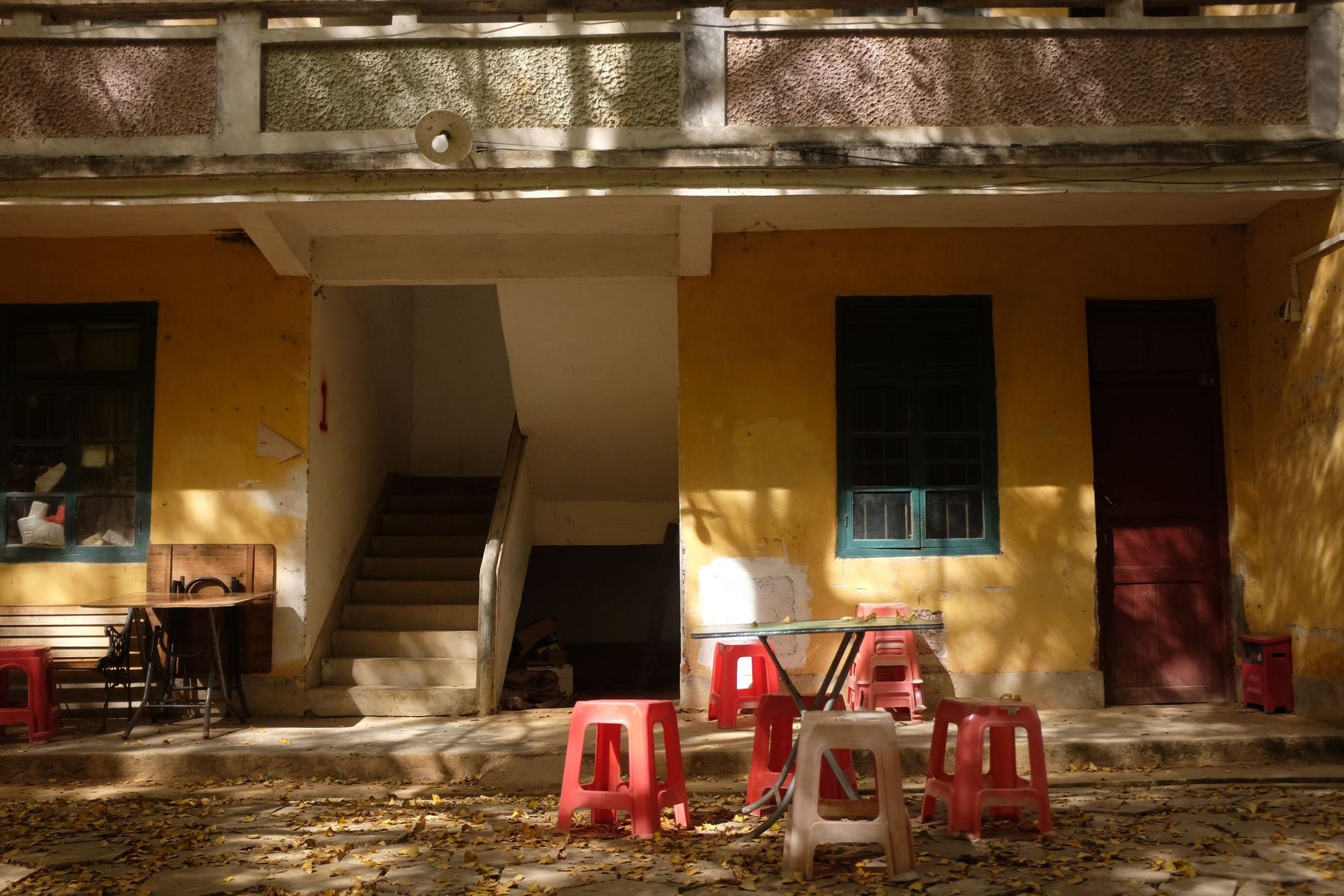
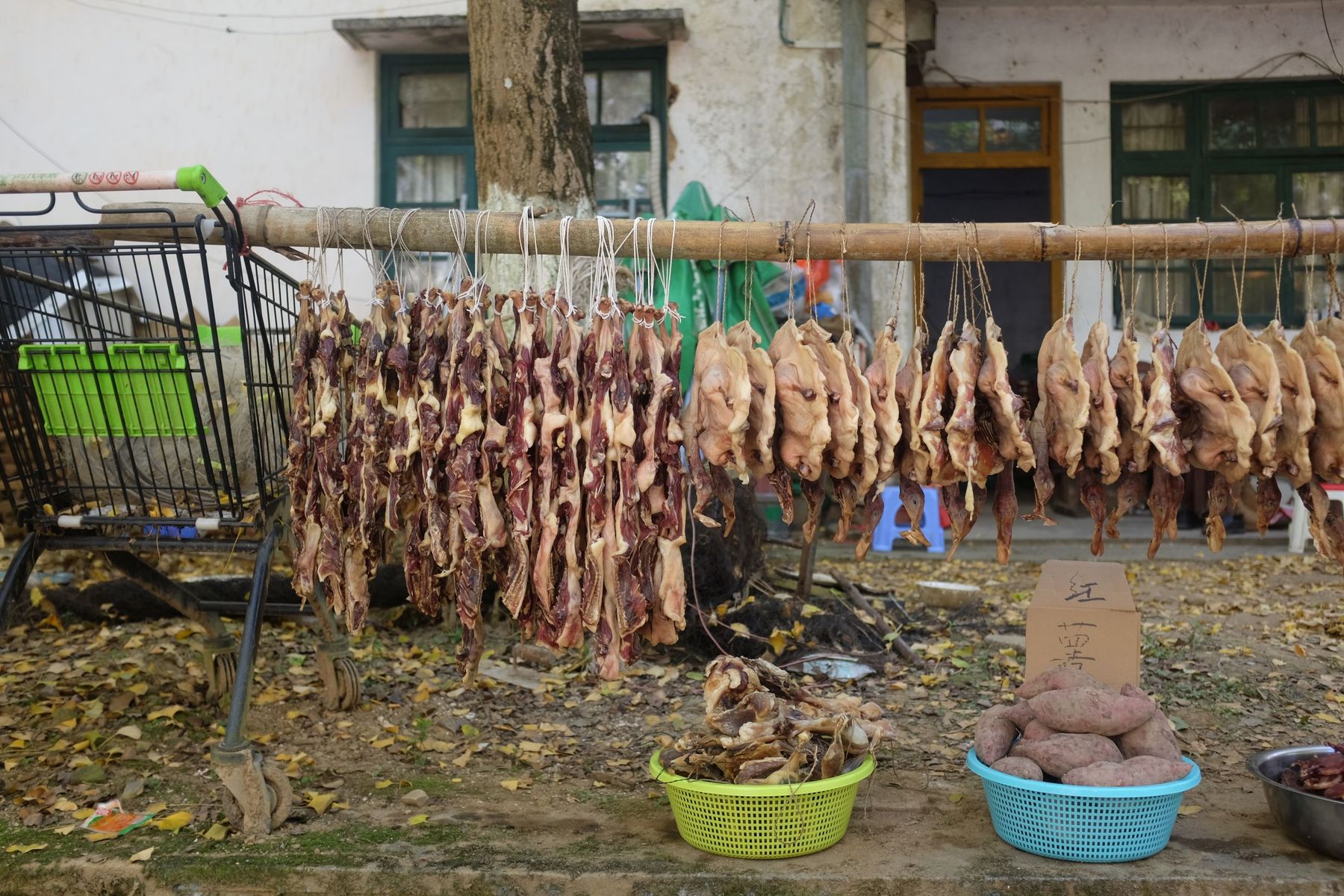
There is such a push to modernise in China. That seems to be the benchmark of progress. And it's done in a specific way; something new, big and shiny is modern. So strong is this taste for modernisation that the spaces end up looking nice, and comfortable, if not sometimes a bit bland. In the smaller towns, this can be charming, like the cafe above. But sometimes they can gnaff, such as the newly-coverted houses in Maozi summit that have lost their patternation and colour. Modern, white-ish buildings with concrete interiors and large floor-to-ceiling windows to let the light in. A great take on modernness, and, surely the only way to economically stay afloat since that's what the demand is. But sometimes missing flavour.
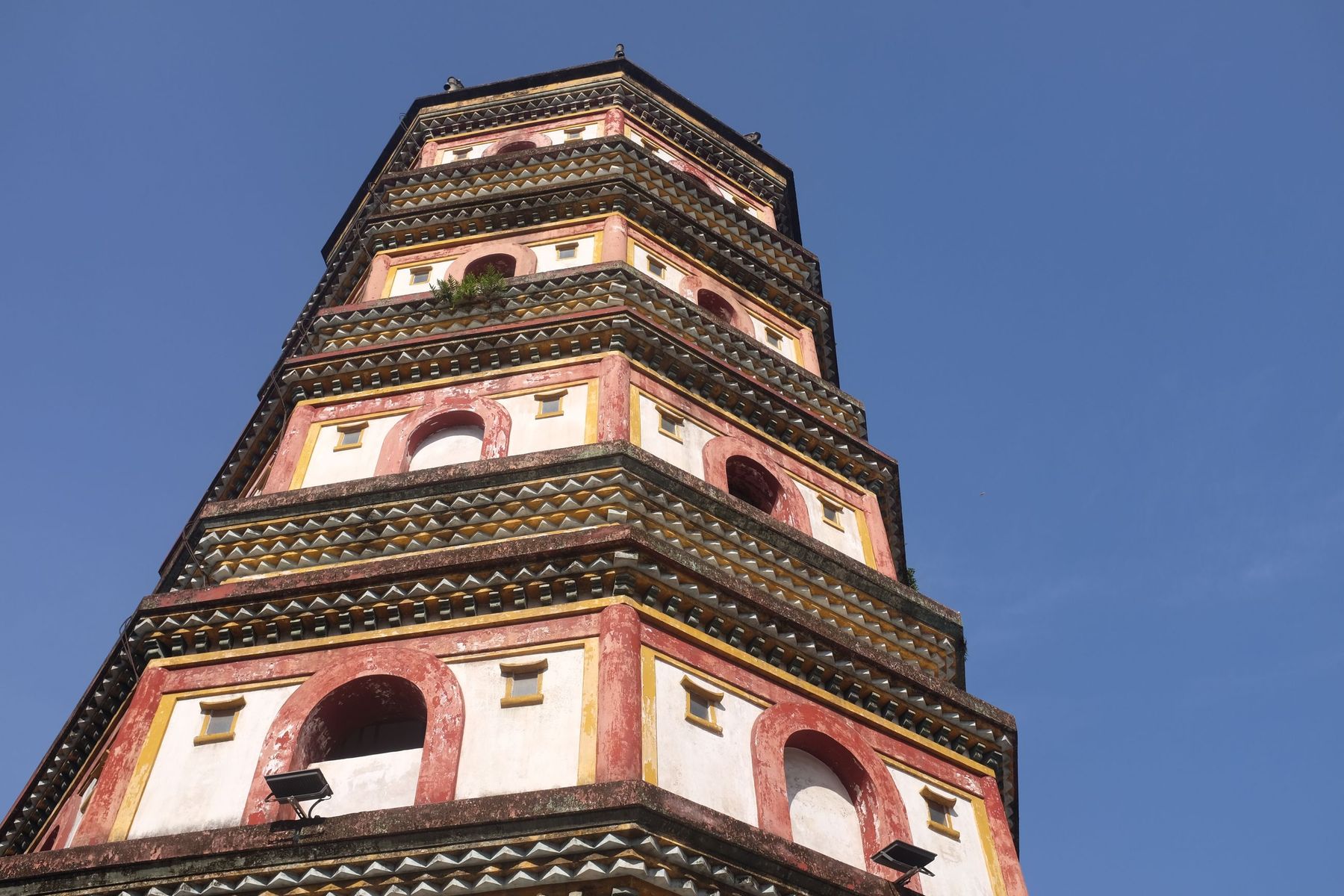
Such goes the realisation that the Chinese in the mainland admire modernisation and "new, shiny, big" but also dwell deeply in their cultural history. One such place exemplifying this was Nanhua Temple Complex. I'm not really sure what was the significance of it, but at least half of the people I met had recommended I go. A rather interesting recommendation, considering that China is now the most atheist country. But it had all the aspects of the modernism of which I spoke (large, big, shiny) mixed with culture (preservation of some sect of Buddhism).
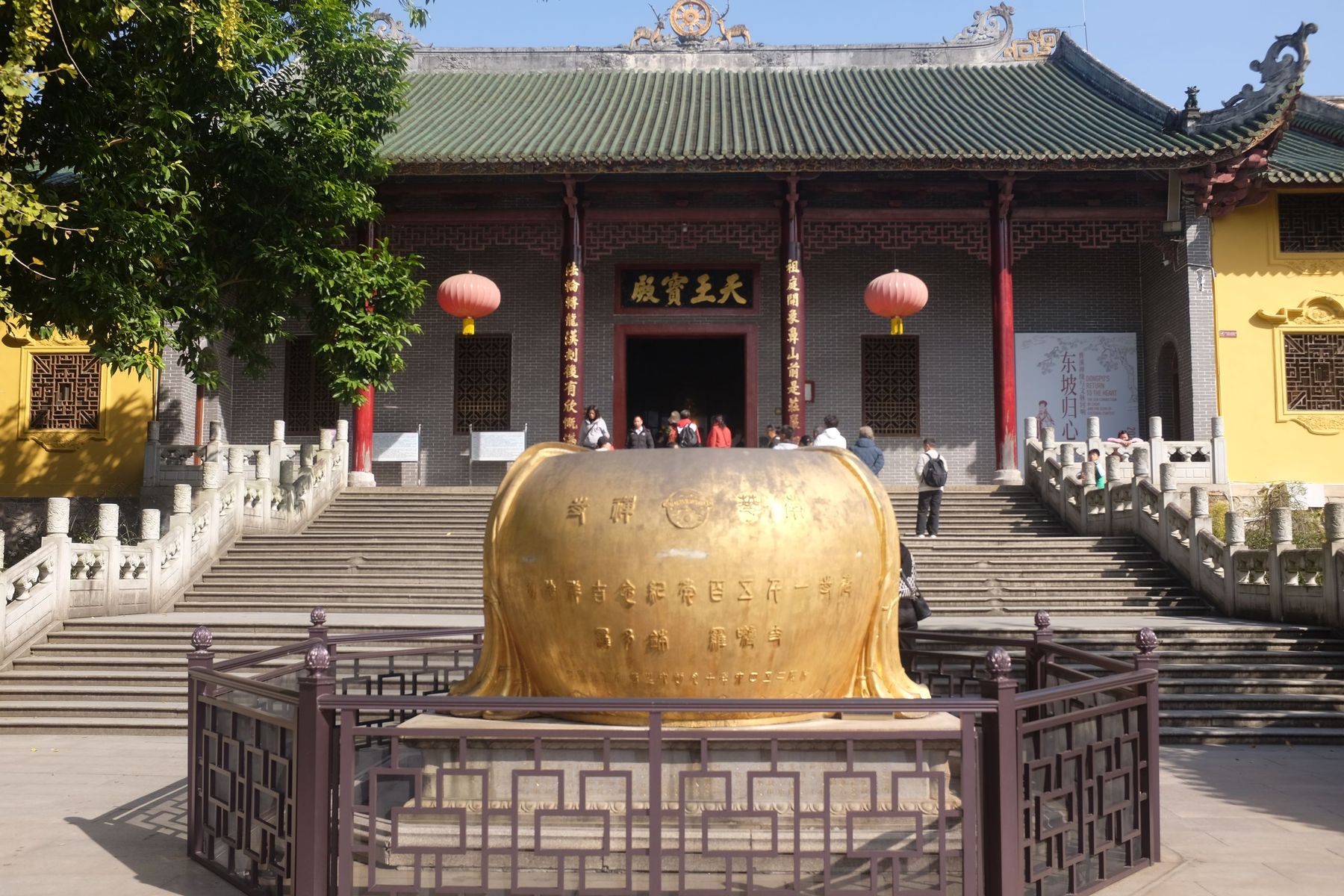
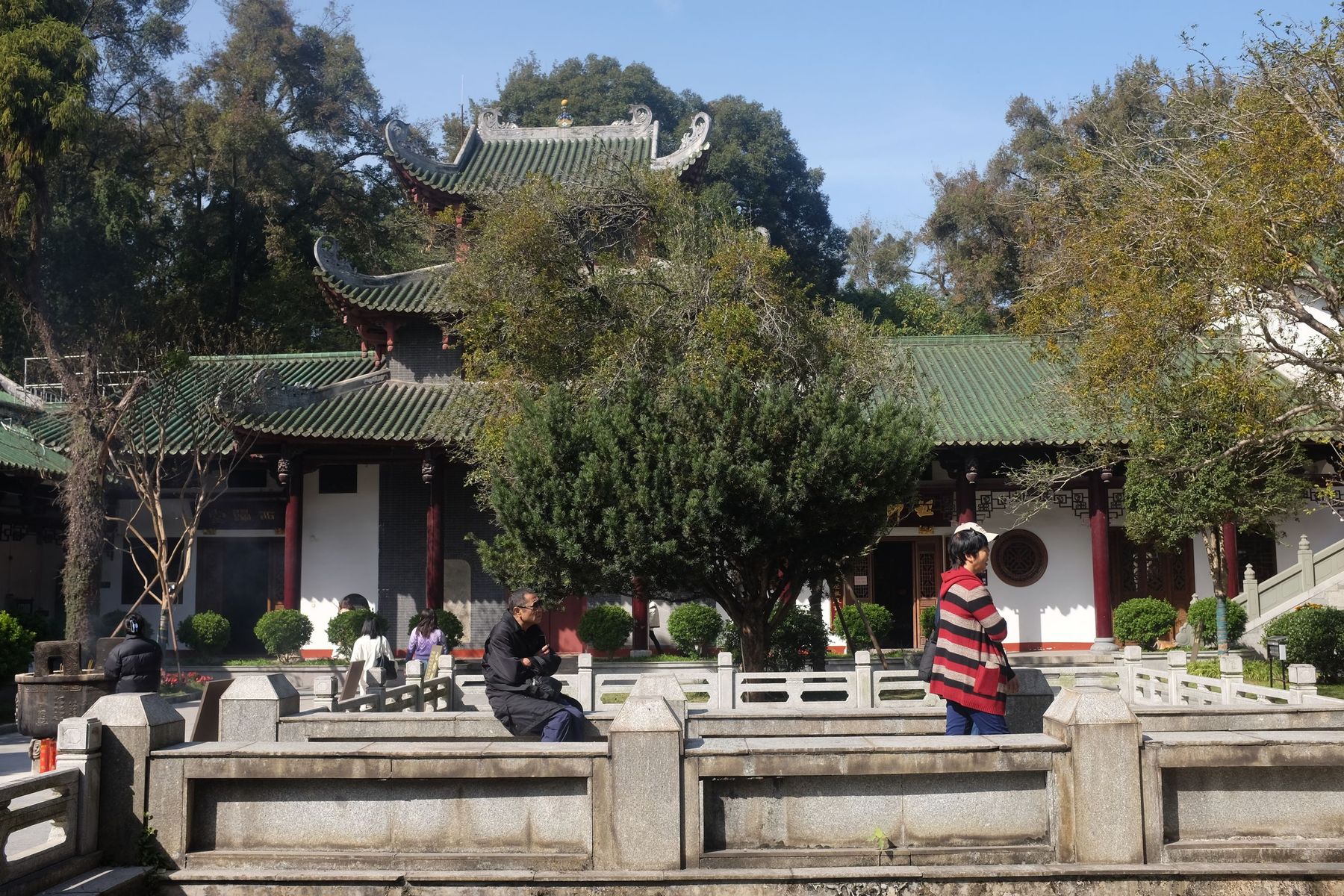
Here's my dilemma: in the cities, it's nice but the people are not as friendly and willing to have a conversation. And in the countryside, wonderful people but not the most interesting things to see. Shaoguan, being in the southern provinces but not being pat of the Greater Bay Area, has made it a sleepy place. I don't think anyone is particularly sleeping on it either -- there's just little within available reach.
But then I realise the people really make the place. On the last day while walking through Old Eastern Street, which was a historical street in old Guangdong (that has, of course, now been commercialised), a lady comes up to me and asks if I'm from abroad. It's most likely my style of dress that has given it away, but she says it's in the way I smile, the way I carry myself and the way my skin glows. She's not particularly creepy, nor frank, just observant. I ask if she's a local and where I can see some local things, and she directs me to a local museum a few paces forward, and to a district area with a market that has old brick houses.
I ended up going to the museum for five minutes, and never made it to the market. But that lady really left an impression on me. That's what I'm taking away with me on this trip to Shaoguan.