Kaiping (開平), Guangdong, CHINA
Sites: Tangkou Village (塘口鎮), Zili Diaolou Cluster (自立碉樓), Liyuan Village (立元景區), Maxianglong Dialou Cluster (馬降龍), Chikan Old Village (赤崁古鎮), Diao Village (碉莊)
Stay: Crowne Plaza Zhangzhou
2026-03-21
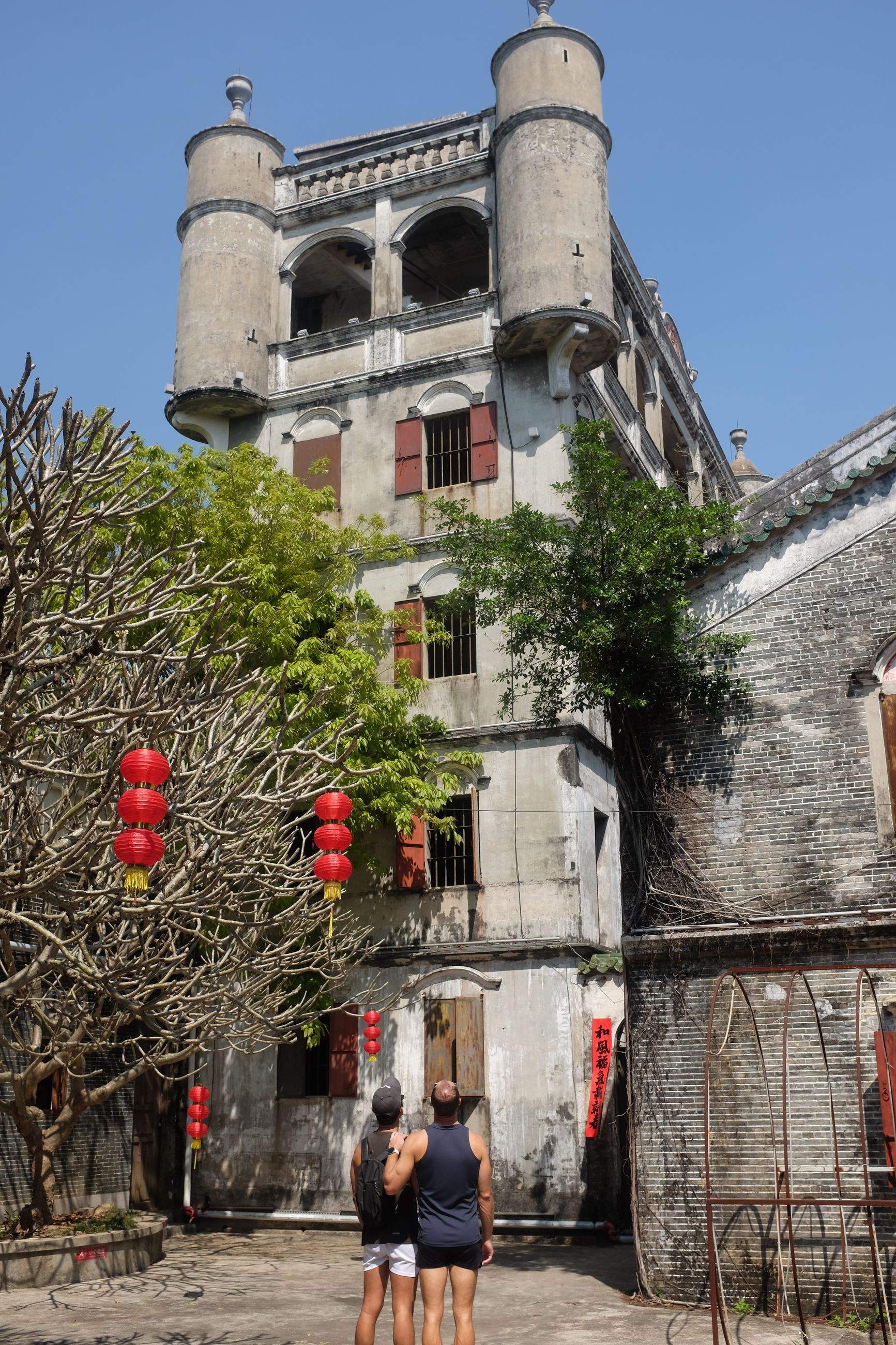
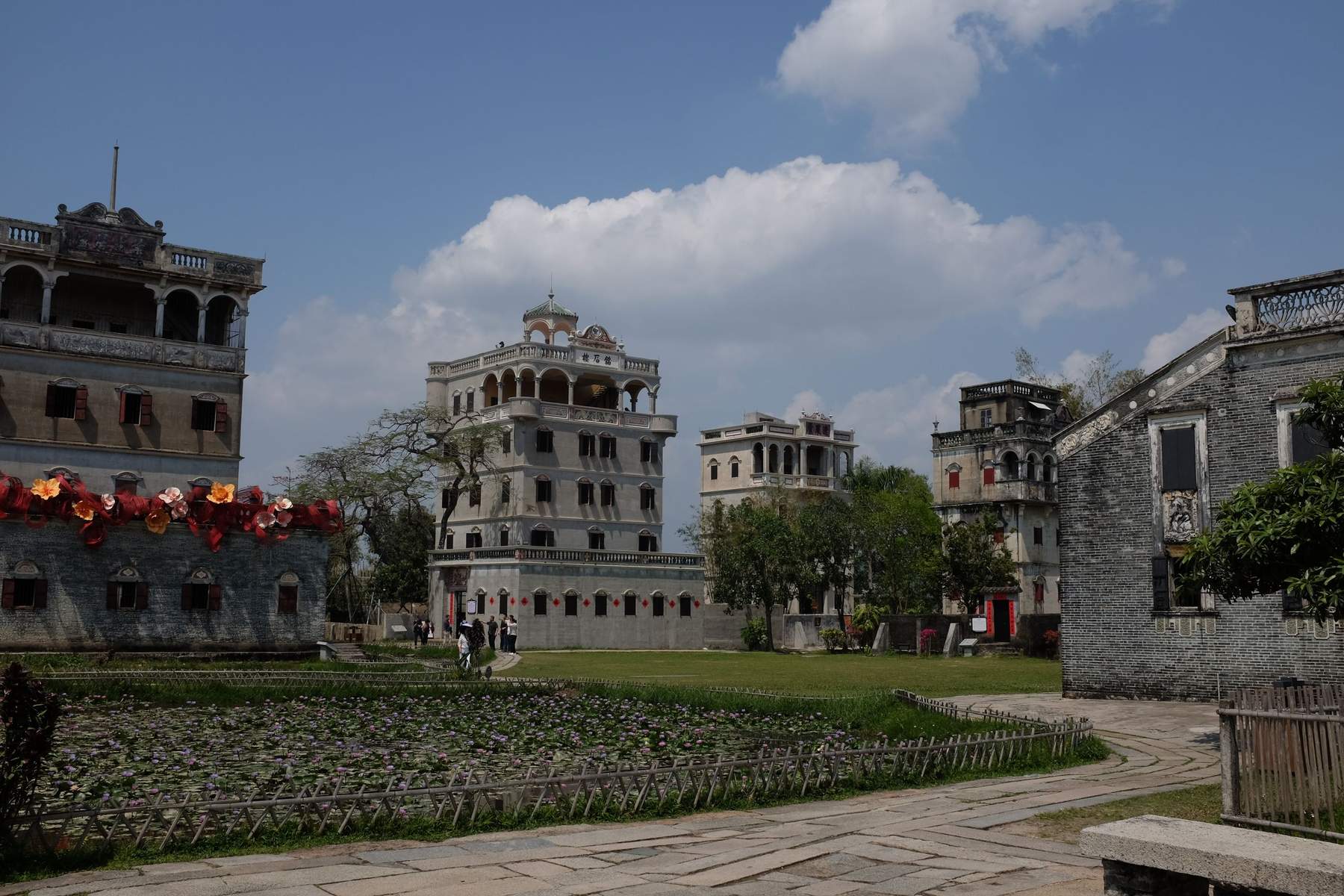
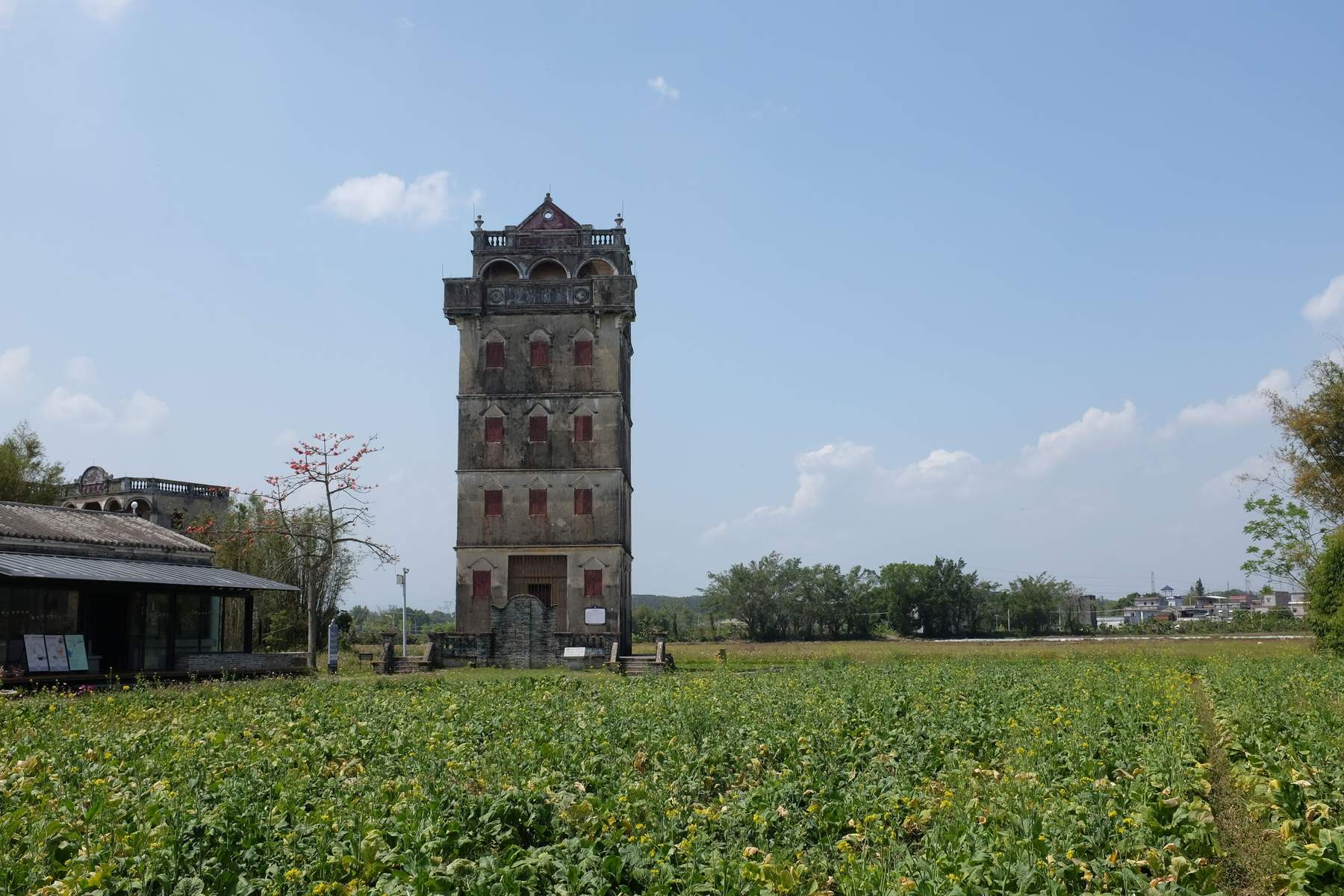
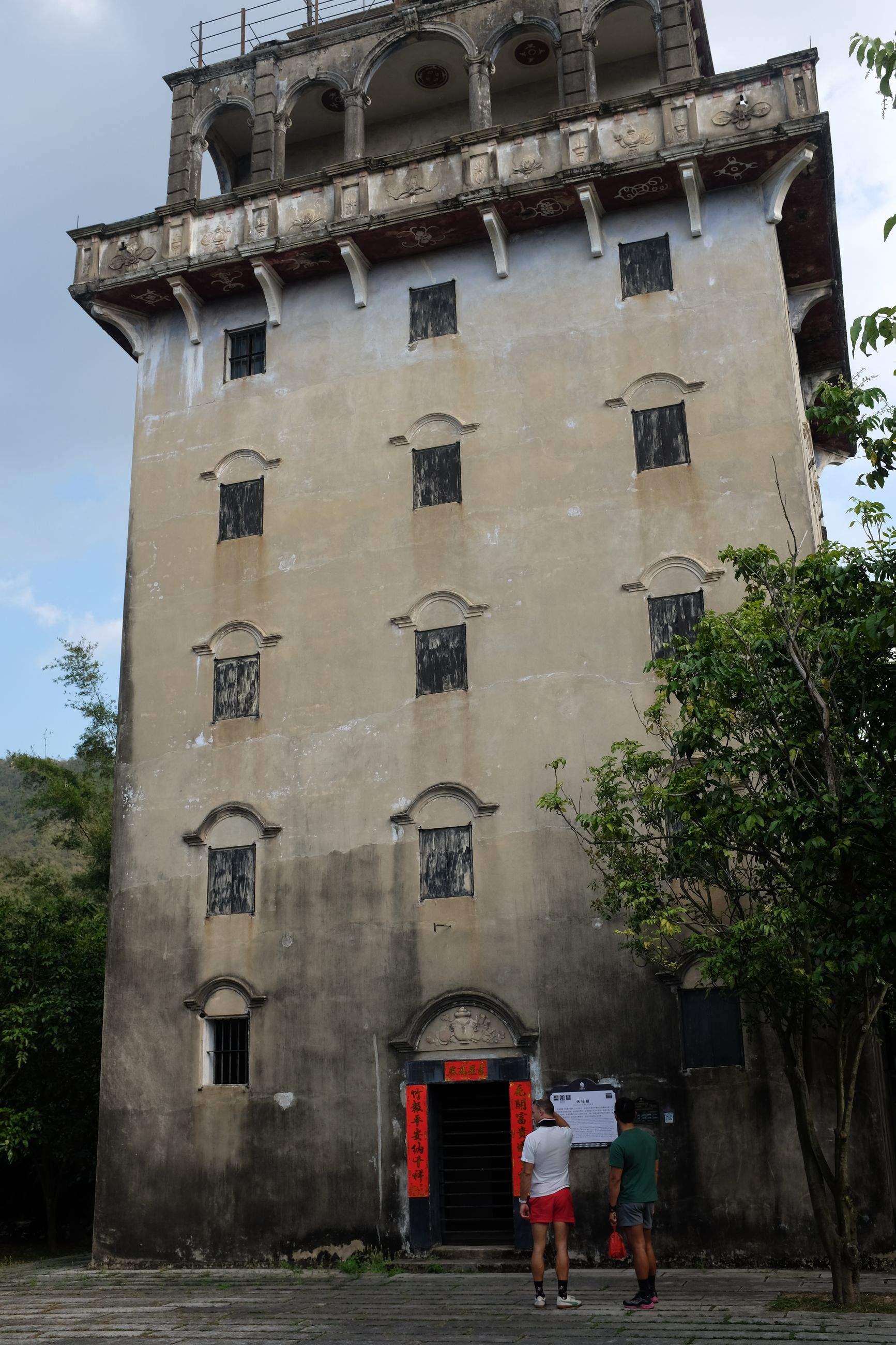
Kaiping is most famous for their watchtower buildings, called diaolou (碉樓). They were built in the late nineteenth and early twentieth century to protect themselves against bandits -- kind of like the tulous of Fujian. Typical story here: banditry in an era of chaos of China. Not so typical are that many overseas Chinese are from this town. They would remit money home and design the houses in a Sino-Western way. The buildings are tall and concrete for protection, but ornately decorated inside with Chinese and Western furniture. At some point in time, this was one of the more important Chinese towns for trade that linked east and west.
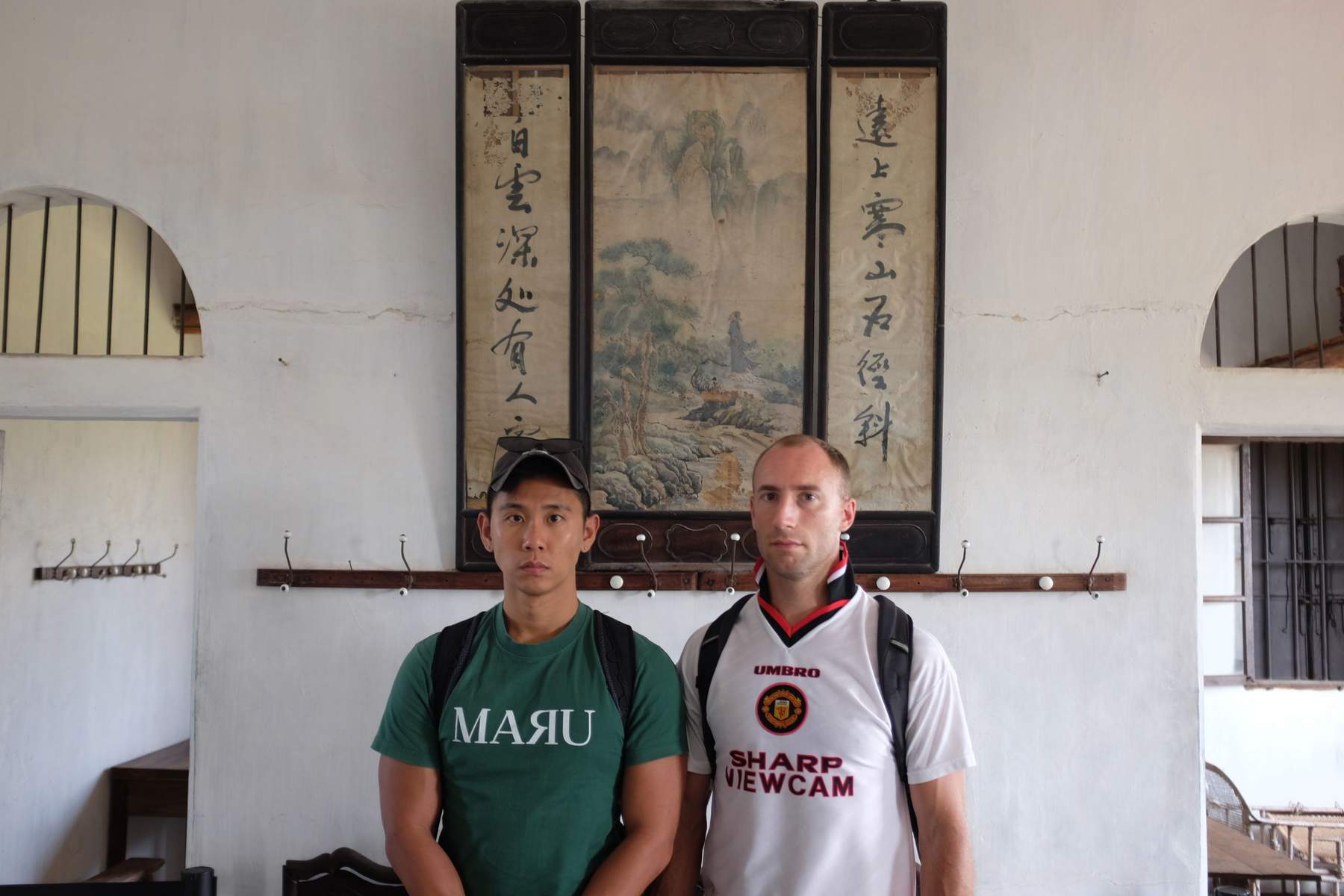
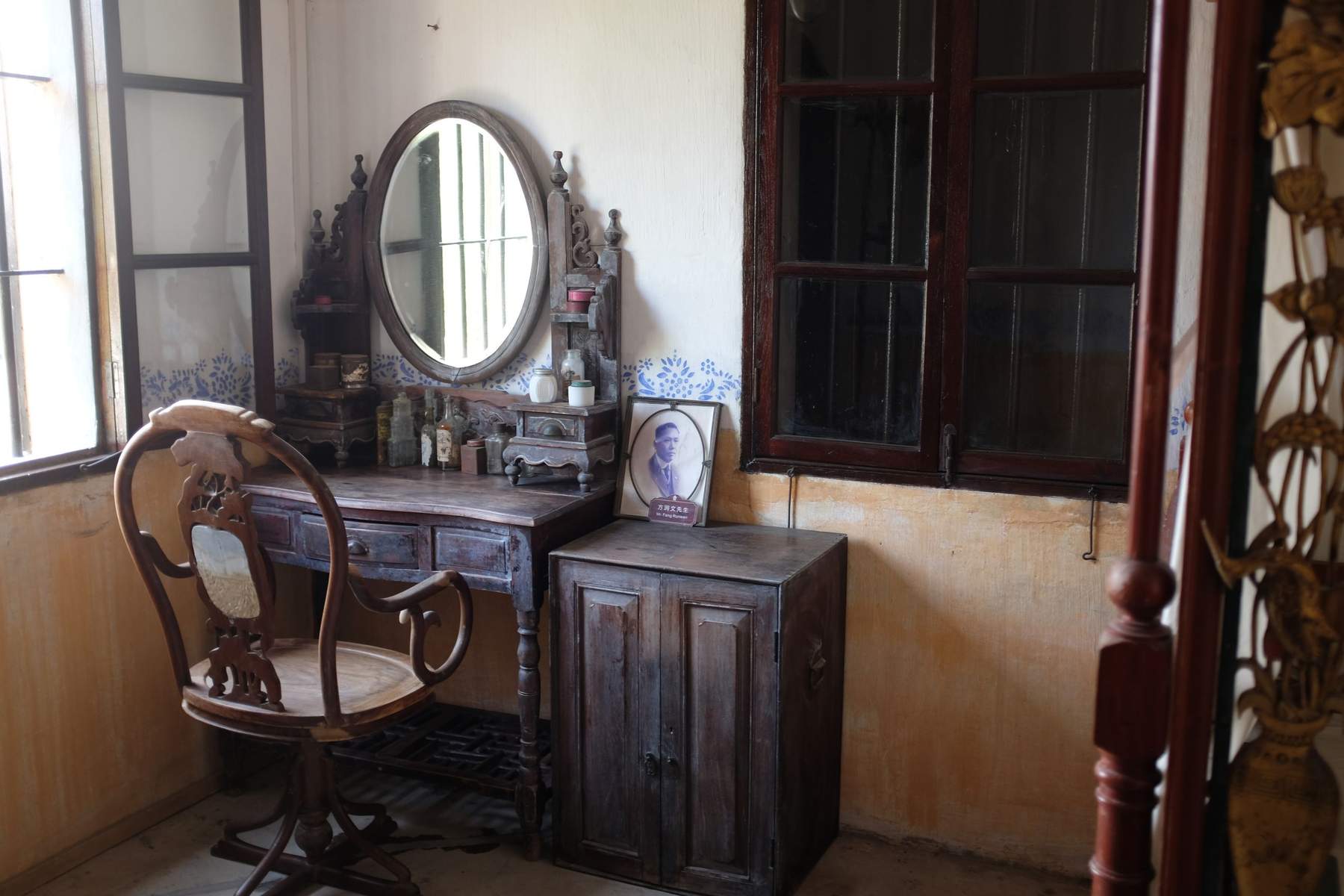
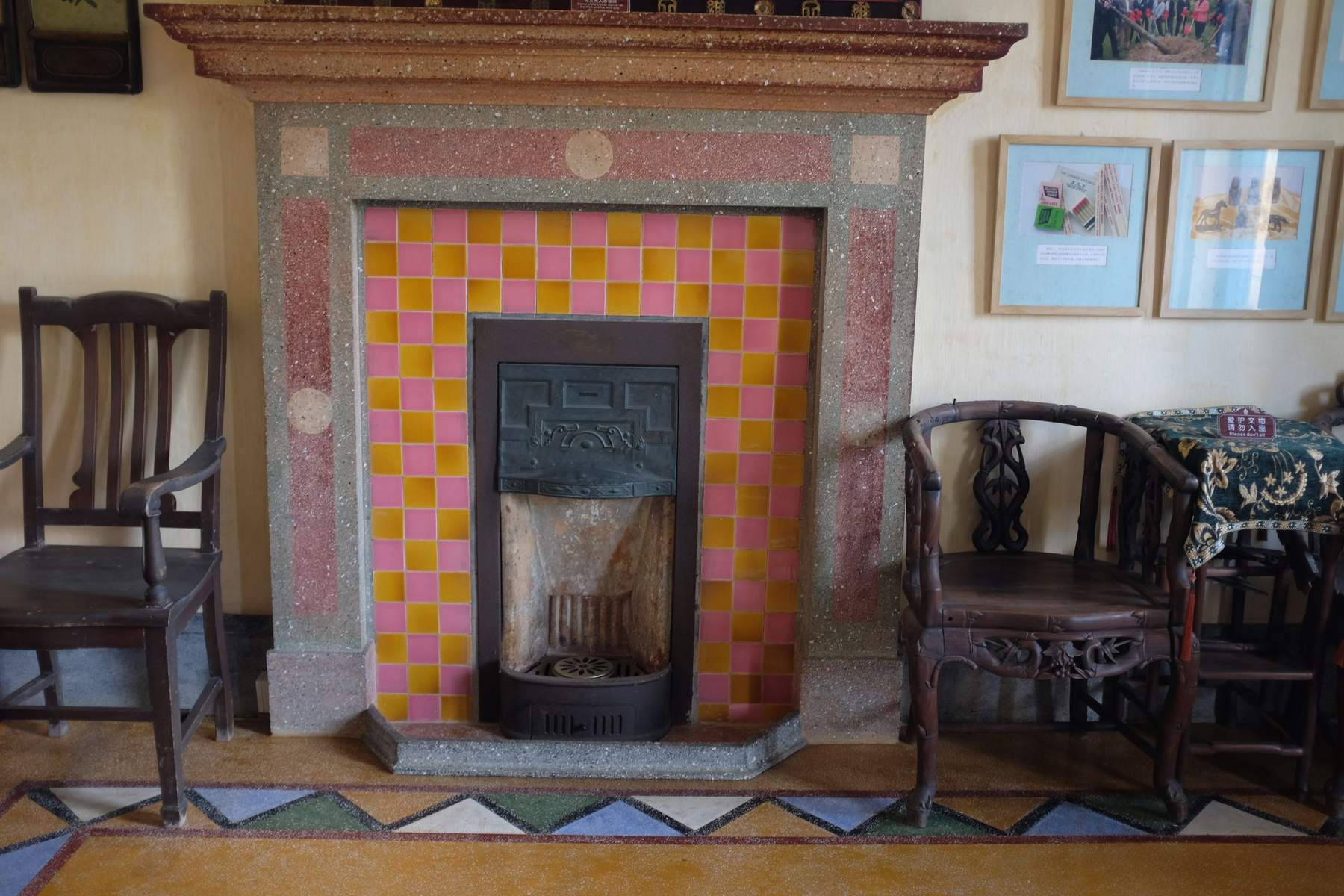
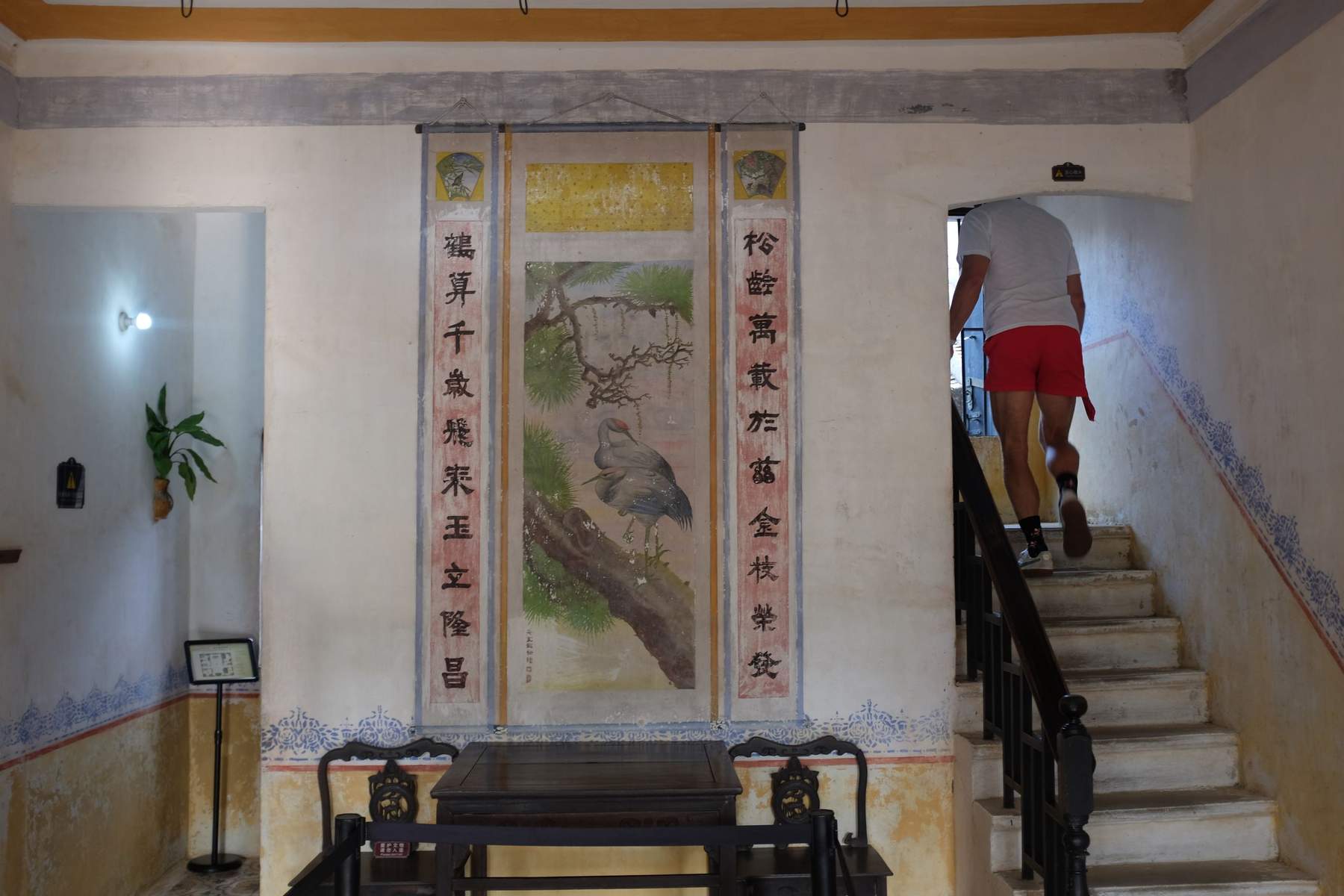
The interiors are consistent in structure, and cheeky in design. Fireplaces had coloured tiles in a loud pink and yellow pattern -- almost Mexican. Beautiful tiles gave the floors a nice accent, and cooled the rooms down making it feel comfortable and cosy; contrasted with the harsh concrete exterior. The staircases usually lined either one edge of the house, or bifurcated after a single stairway up.
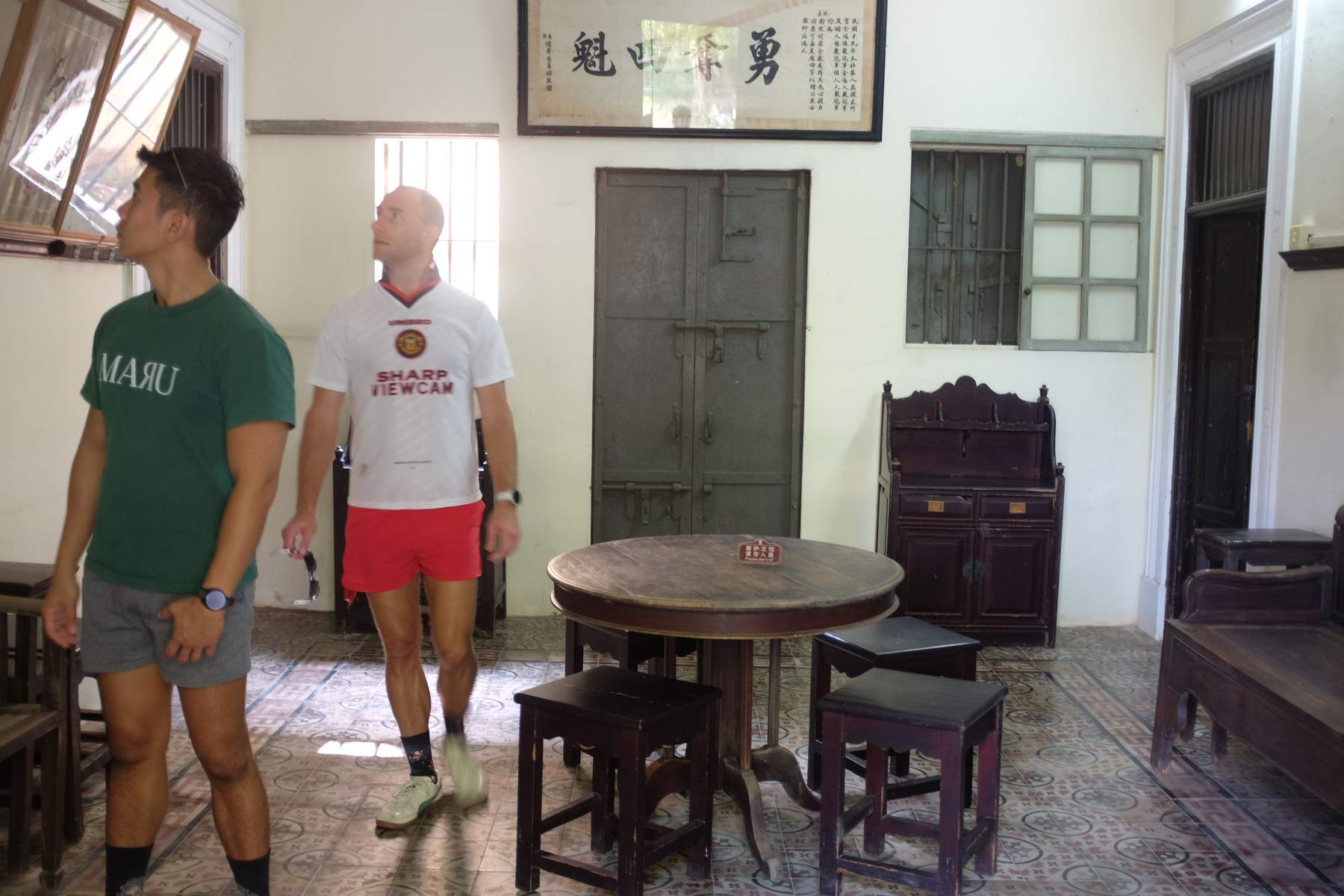
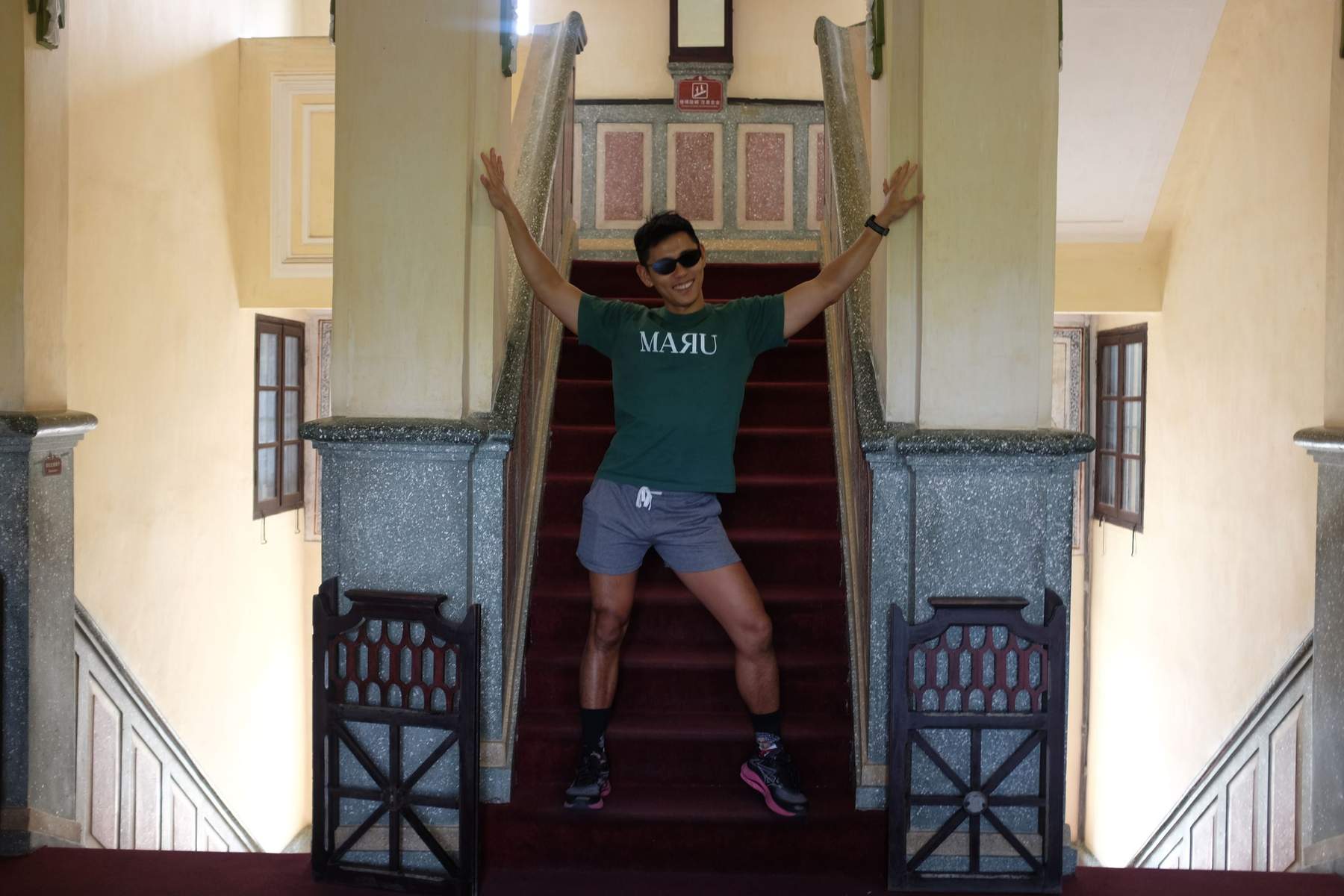
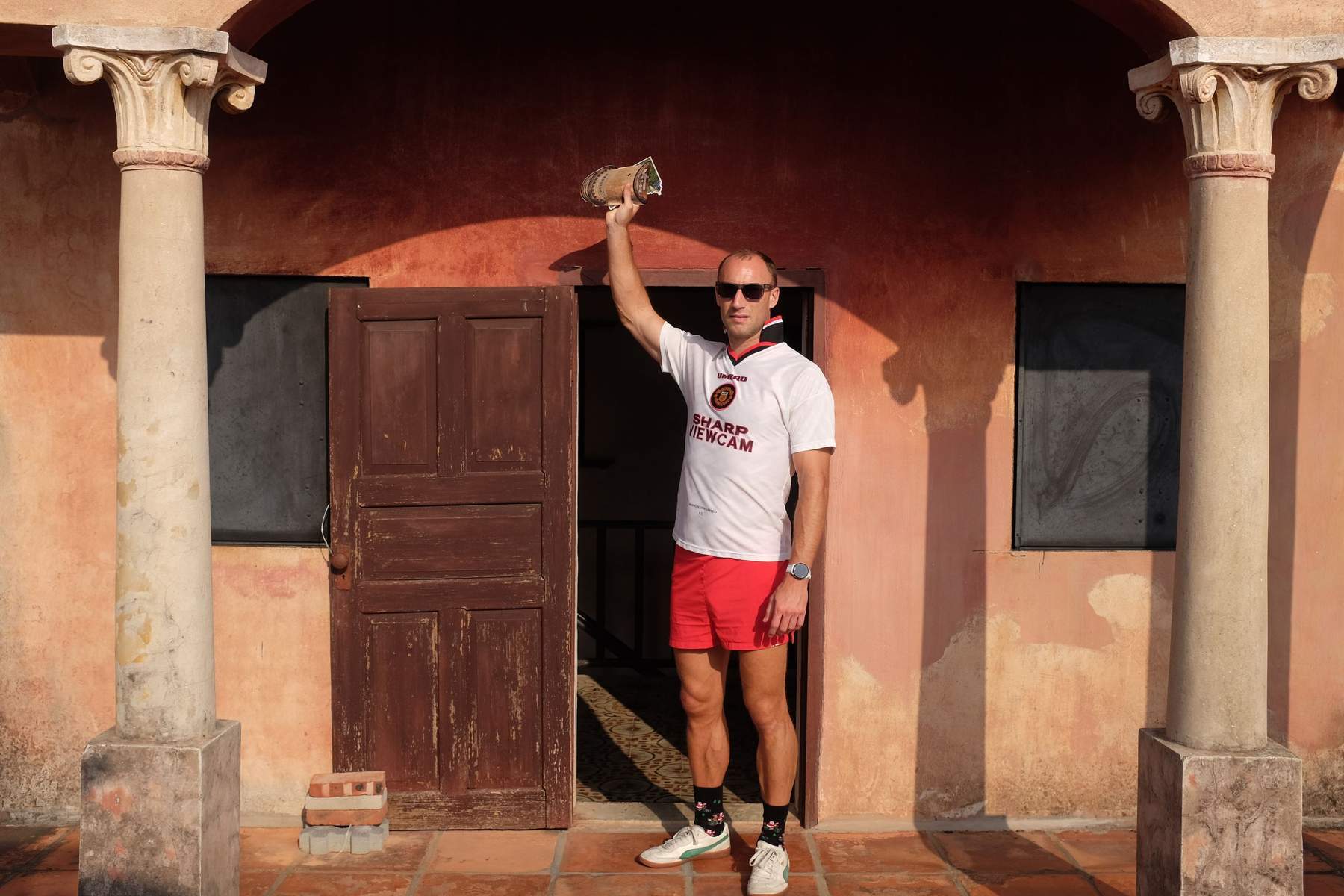
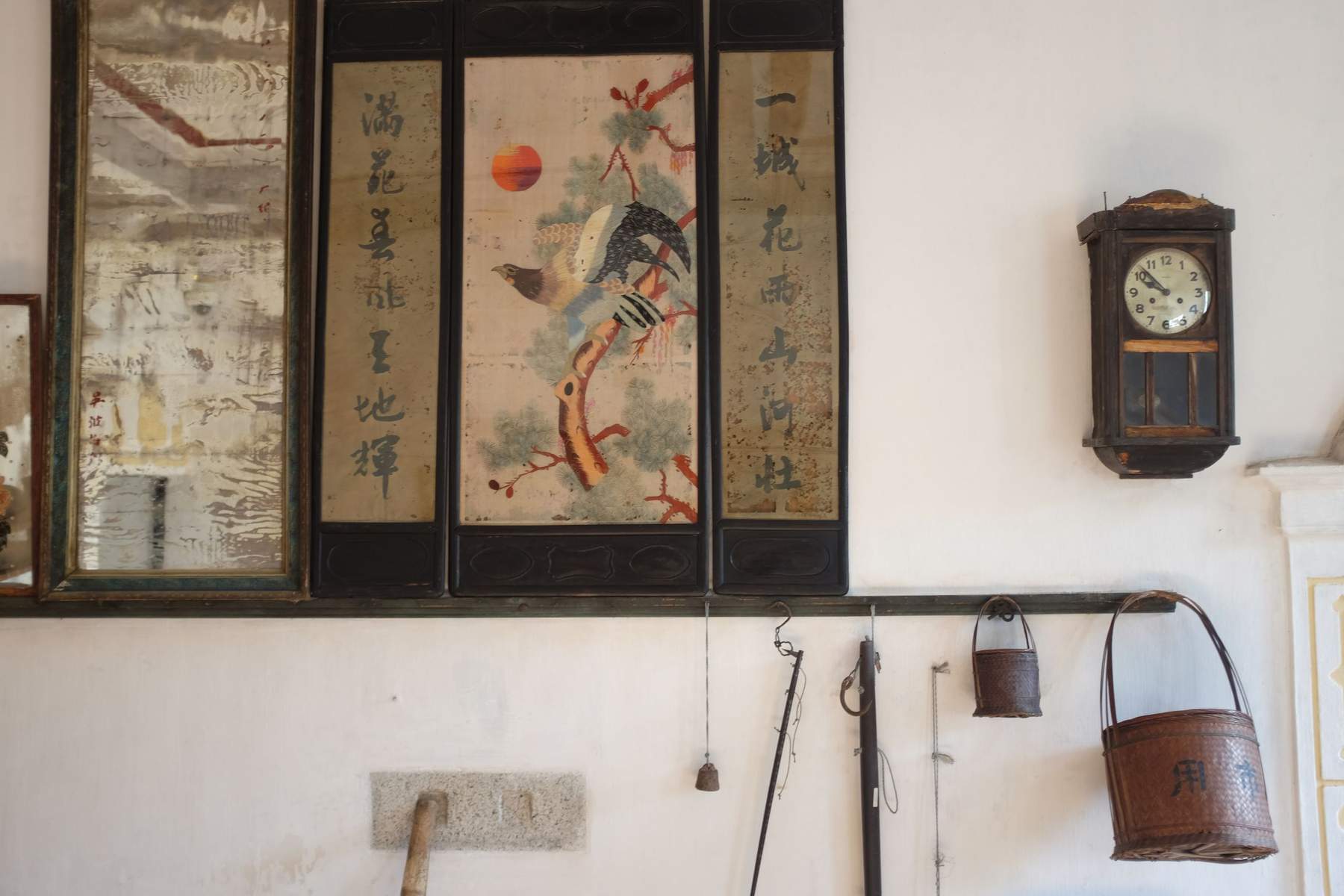
Some of these structures could reach massive heights. And they would always end with a nice roof terrace. What was nice was that since these are recent-ish buildings, they were mostly preserved in their original state with the original furniture. A peek into history.
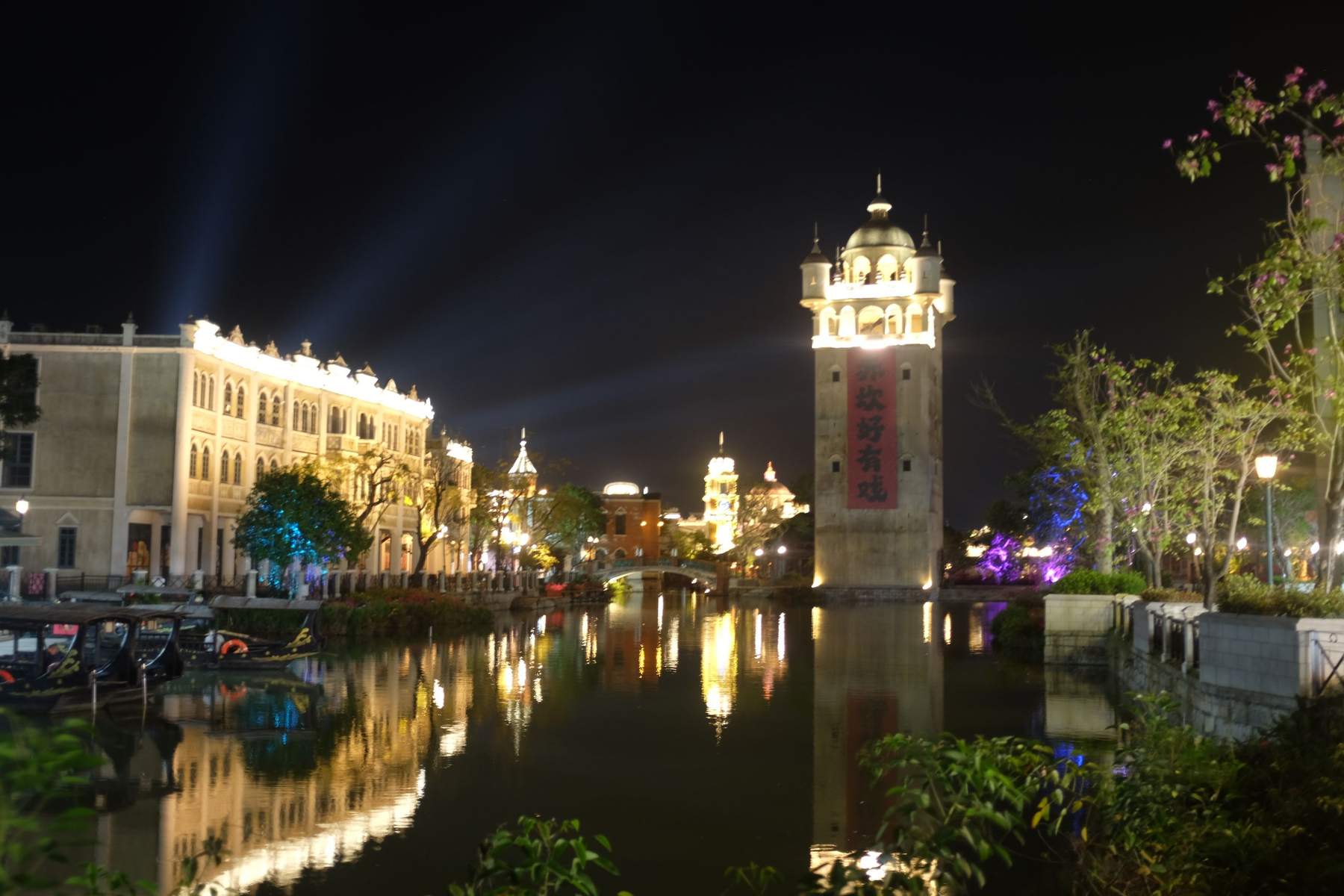
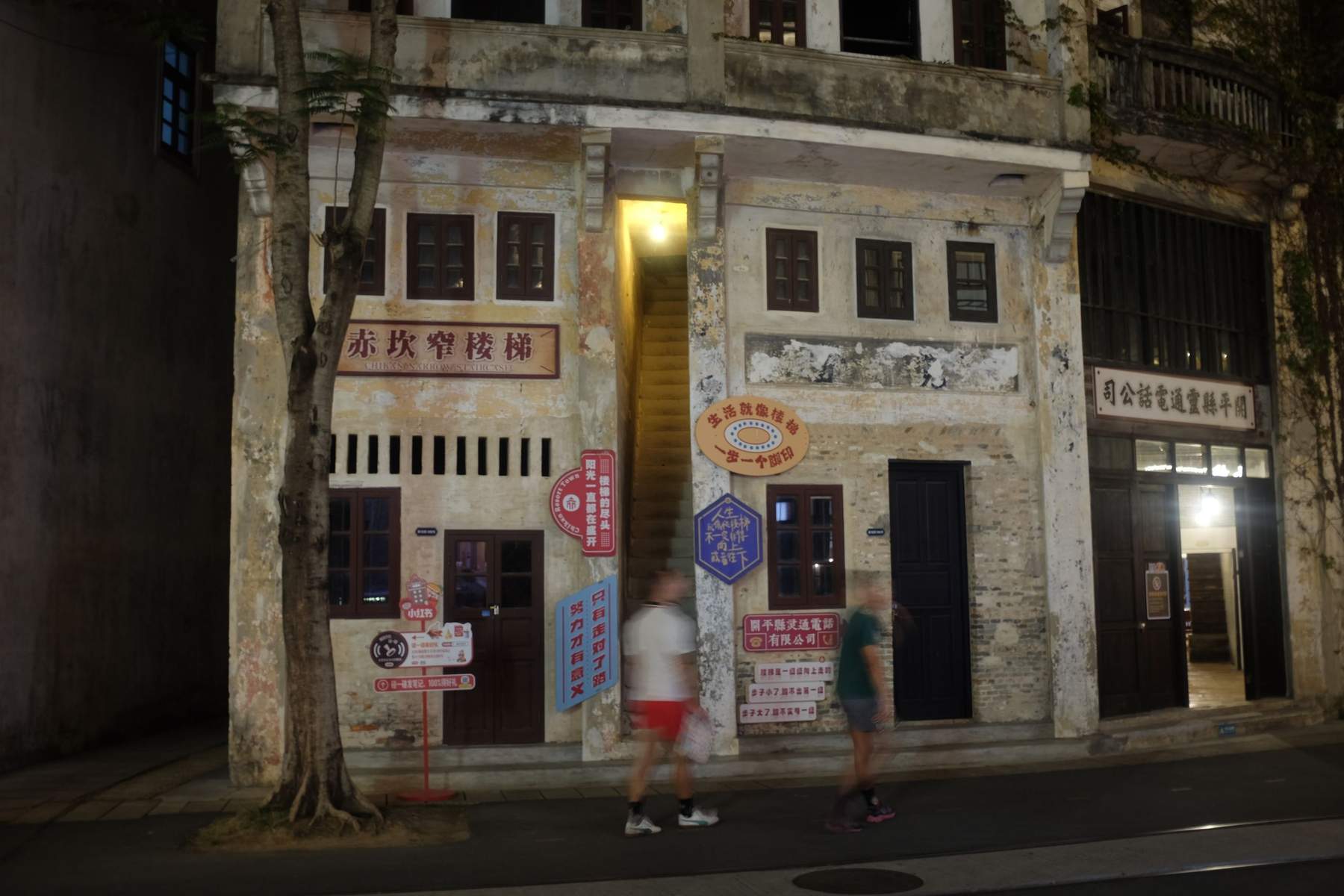
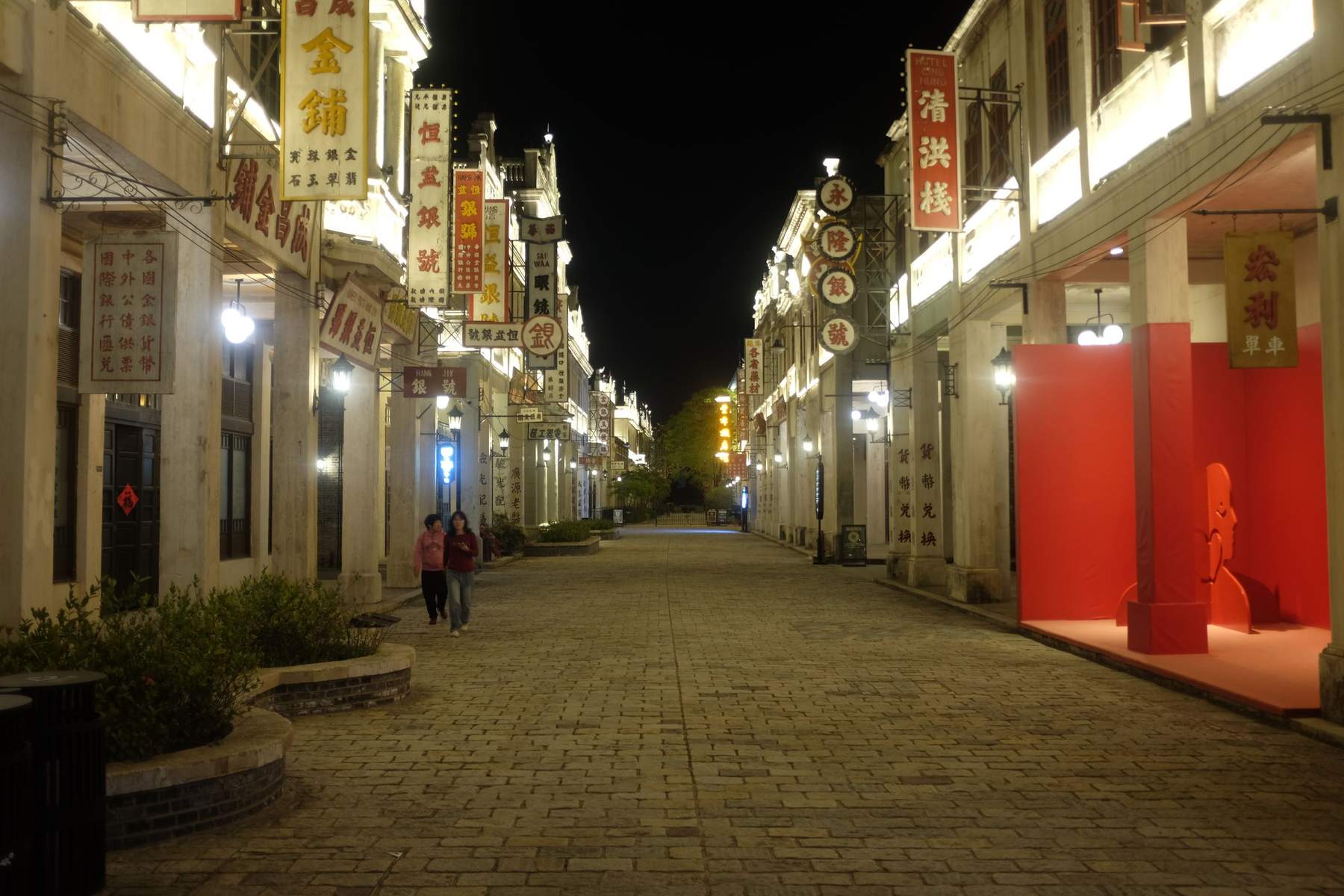
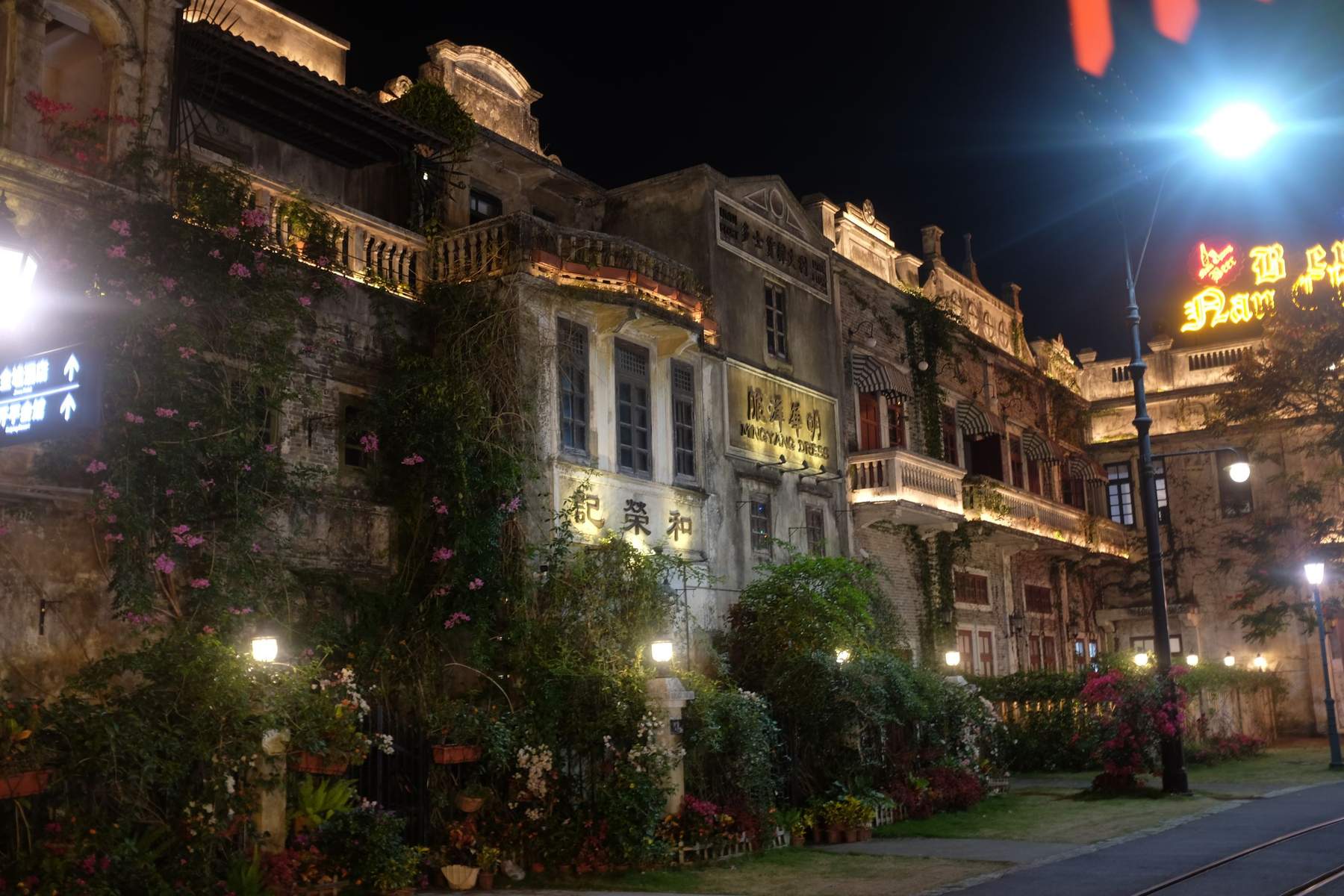
At night, we go to Chikan Old Town. There used to be an old Chinese village here, but it had since been bought out by a resort company to turn Chikan Village into a theme park. We had mixed feelings here. There's something cheap about a Disneyfication of an old town, but there's also something to be said for more business opportunities and a good livelihood. I struggle to find the balance between preservation and reinterpretation.
The place was interesting. Some facades of the old buildings were maintained, just with a commercial operation. There would be shows and recreations -- all positive energised -- about the struggles that Kaiping people faced when abroad, and how they overcame the struggles. We watched a huge production on a separated couple who never reunited, with the man having left his heart in Chikan and never getting to "go home." Tell you what, the Chinese love a re-telling of a shared cultural drama with a positive, romantic twist.
Such a steadfast race, the Chinese.